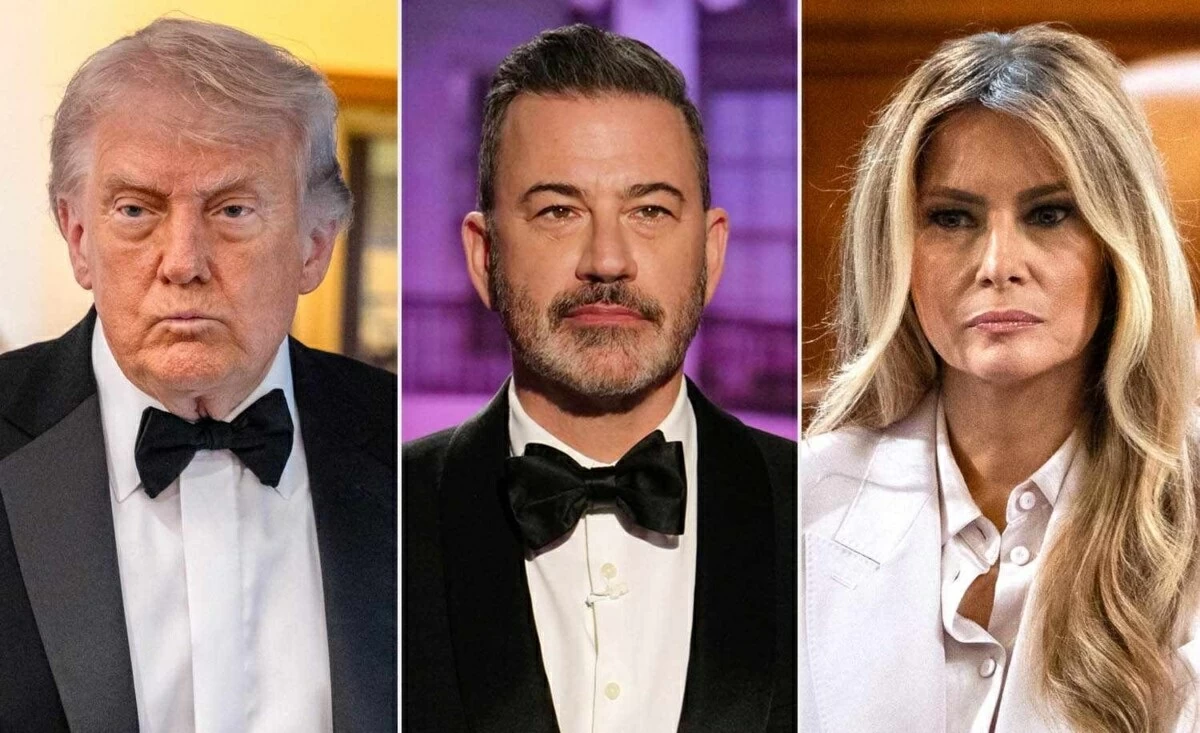
في عالم الإعلام الأمريكي، حيث تتحول السخرية السياسية إلى حدث وطني، وجد مقدم البرامج الشهير جيمي كيميل نفسه عالقاً في عين العاصفة مجدداً. هذه المرة، لم يكن الأمر مجرد سخرية عابرة، بل كان صداماً مباشراً مع البيت الأبيض، بعد وصفه للسيدة الأولى ميلانيا ترمب بـ «الأرملة المنتظرة»، في تعليق اعتبره الكثيرون تجاوزاً لكل الخطوط الحمراء.
اندلعت الأزمة عندما أطلق كيميل تعليقه المثير للجدل خلال برنامجه الشهير Jimmy Kimmel Live، واصفاً ميلانيا بـ«الأرملة المنتظرة». هذا التعبير لم يمر مرور الكرام؛ بل أشعل غضب أنصار الرئيس ترمب الذين اعتبروه مساساً شخصياً وأخلاقياً بعائلة الرئيس، مطالبين بوضع حدٍّ لما أسموه «استهدافاً ممنهجاً» من كيميل.
لم يكن هذا التعليق سوى «القشة التي قصمت ظهر البعير»، فكيميل لديه تاريخ طويل من «المناوشات» مع السيدة الأولى، منها:
- فعالية البيض: سخريته اللاذعة من دور ميلانيا في فعالية «دحرجة بيض عيد الفصح» بالبيت الأبيض.
- مبادرة «كن الأفضل»: تحويل مبادرتها لمكافحة التنمر الإلكتروني إلى مادة للتهكم والمقارنات غير العادلة.
- فضيحة إبستين: عرضه لصورة جمعت ميلانيا بالراحل جيفري إبستين، ملمحاً بتلميحات أثارت عاصفة من الجدل حول علاقاتها السابقة.
- مكان إقامة مؤقت: تهكمه المستمر على غيابها عن المناسبات الرسمية، وتصويرها وكأنها لا تشعر بالانتماء للبيت الأبيض.
ترمب يرد: «هذا غير مقبول»
لم يصمت دونالد ترمب أمام هذه الاستفزازات، إذ شن هجوماً حاداً مطالباً شبكة ABC وشركة ديزني (المالكة للشبكة) بضرورة اتخاذ إجراءات عقابية ضد كيميل. ووصف ترمب ما يقدمه المذيع الشهير بأنه يتخطى حدود «النقد السياسي» ليصل إلى مرحلة «الإساءة المتعمدة» التي لا يمكن السكوت عنها.
في المقابل، يتمسك جيمي كيميل بموقفه، مؤكداً أن ما يقدمه يقع ضمن إطار «السخرية التلفزيونية» المحمية بحرية التعبير. ويصر كيميل على أن تصريحاته أُخرجت من سياقها، نافياً وجود أي نية للتحريض، ومعتبراً أن عمله هو «المرايا» التي تعكس واقع الحياة السياسية في أمريكا.
وتطرح هذه الأزمة سؤالاً جوهرياً في المجتمع الأمريكي: أين تنتهي الكوميديا وتبدأ الإهانة؟ وهل تحول «الإعلام الساخر» إلى سلاح في الحرب السياسية الدائرة؟ وبينما يرى المؤيدون أنها «حرية تعبير»، يراها المعارضون «تعدياً سافراً»، لتبقى الحقيقة أن نكتة واحدة من جيمي كيميل قادرة اليوم على هز أركان الإعلام والسياسة في واشنطن.
In the world of American media, where political satire becomes a national event, famous host Jimmy Kimmel found himself caught in the eye of the storm once again. This time, it was not just a fleeting joke, but a direct clash with the White House after he referred to First Lady Melania Trump as the "waiting widow," in a comment that many considered crossing all red lines.
The crisis erupted when Kimmel made his controversial remark during his popular show Jimmy Kimmel Live, describing Melania as the "waiting widow." This expression did not go unnoticed; it ignited the anger of President Trump's supporters who viewed it as a personal and moral affront to the president's family, demanding an end to what they called Kimmel's "systematic targeting."
This comment was merely "the straw that broke the camel's back," as Kimmel has a long history of "skirmishes" with the First Lady, including:
- The Easter Egg Roll: His biting satire of Melania's role in the White House's Easter Egg Roll event.
- The "Be Best" initiative: Turning her initiative to combat cyberbullying into material for mockery and unfair comparisons.
- The Epstein scandal: His presentation of a photo that included Melania and the late Jeffrey Epstein, hinting at implications that sparked a storm of controversy regarding her past associations.
- Temporary residence: His ongoing mockery of her absence from official events, portraying her as if she does not feel a sense of belonging to the White House.
Trump responds: "This is unacceptable"
Donald Trump did not remain silent in the face of these provocations, launching a sharp attack demanding that ABC and Disney (the network's parent company) take punitive action against Kimmel. Trump described what the famous host presents as crossing the boundaries of "political criticism" to reach a stage of "deliberate insult" that cannot be overlooked.
In contrast, Jimmy Kimmel stands by his position, asserting that what he presents falls within the framework of "television satire" protected by freedom of expression. Kimmel insists that his statements were taken out of context, denying any intent to incite, and considering his work as a "mirror" reflecting the reality of political life in America.
This crisis raises a fundamental question in American society: Where does comedy end and insult begin? Has "satirical media" turned into a weapon in the ongoing political war? While supporters see it as "freedom of expression," opponents view it as "blatant overreach," leaving the truth that a single joke from Jimmy Kimmel today has the power to shake the foundations of media and politics in Washington.