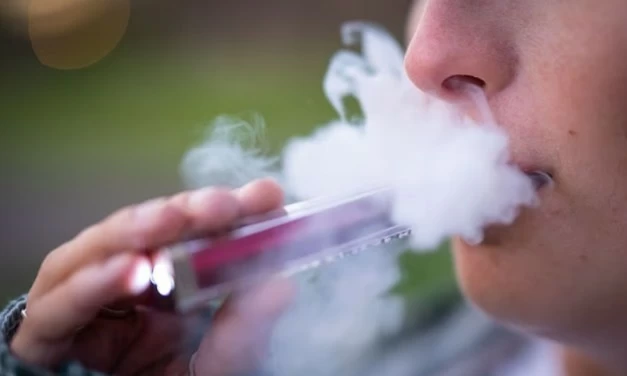
كشفت دراسة حديثة أن استخدام السجائر الإلكترونية (الفيب) قد يزيد من خطر الإصابة بالسرطان، رغم أنه لا يزال أقل ضررًا من تدخين السجائر التقليدية.
وبحسب صحيفة «ديلي ميل» البريطانية، يستخدم أكثر من 5.5 مليون شخص في المملكة المتحدة السجائر الإلكترونية، التي لطالما رُوّج لها كبديل أكثر أمانًا للإقلاع عن التدخين، بل ودعمتها الجهات الصحية ضمن حملات مكافحة التدخين.
لكن مراجعة علمية جديدة أجراها باحثون من جامعة كانتربري في نيوزيلندا، ونُشرت في المجلة الطبية النيوزيلندية، تشير إلى أن السجائر الإلكترونية (الفيب) قد ترفع خطر الإصابة بعدة أنواع من السرطان، منها سرطان الرئة والأنف.
خطر غير محسوب بالكامل
واعتمد الباحثون على تحليل المواد الكيميائية الناتجة عن تسخين سوائل الفيب، وتأثيرها على الجسم، ليخلصوا إلى أن التدخين الإلكتروني ينطوي على خطر سرطاني يصعب قياسه بدقة.
وأشاروا إلى أن السرطان قد يستغرق 15 عامًا أو أكثر للظهور بعد التعرض للمواد المسرطنة، ما يعني أن تحديد حجم الخطر الحقيقي قد يحتاج سنوات طويلة من المتابعة.
مواد سامة رغم غياب القطران
ورغم أن السجائر الإلكترونية لا تحتوي على القطران أو أول أكسيد الكربون - وهما من أخطر مكونات السجائر التقليدية - فإن الدراسات أظهرت احتواءها على كميات منخفضة من مواد سامة، مثل مادة الفورمالديهايد المرتبطة بالسرطان، إضافة إلى جزيئات معدنية دقيقة.
كما أظهرت أبحاث أن مستخدمي الفيب أكثر عرضة للإصابة بمرض الانسداد الرئوي المزمن، وهو مرض خطير قد يؤدي إلى فشل في وظائف الأعضاء.
أقل ضررًا لكن ليس آمنًا
وخلص الباحثون إلى أن الفيب يظل أقل خطورة من التدخين التقليدي، ويمكن أن يكون وسيلة فعالة للإقلاع عن التدخين، لكنه لا يقدم فائدة تُذكر عند استخدامه بحد ذاته.
وقال الباحث الرئيسي إيان شو، إن استخدام الفيب بحد ذاته يضيف مخاطر سرطانية إلى حياة الإنسان، وهو أمر غير مقبول.
مقارنة مع السجائر التقليدية
وأظهرت الدراسة أن السجائر العادية تنتج مستويات أعلى بكثير من مواد سامة مثل الأكرولين والأسيتالديهيد، المرتبطتين بأضرار الرئة وزيادة خطر السرطان.
في المقابل، وُجدت مواد مثل الفورمالديهايد بمستويات متقاربة بين السجائر والفيب، ما يشير إلى أن الأخير لا يلغي التعرض للمواد الضارة بالكامل، بل يقللها فقط.
تحذيرات من الاستخدام المزدوج
وأكد خبراء أن الفيب قد يساعد المدخنين على الإقلاع عن النيكوتين، لكنهم حذروا من أن بعض المستخدمين قد يكونون قادرين على الإقلاع تمامًا دون اللجوء إليه.
كما أظهرت دراسات حديثة أن أخطر الحالات هي استخدام السجائر التقليدية والفيب معًا، إذ يضاعف هذا المزيج السام خطر الإصابة بسرطان الرئة حتى أربع مرات.
تأثيرات بيولوجية مقلقة
وأشارت أبحاث أخرى إلى أن الفيب قد يسبب تغييرات في الحمض النووي (DNA)، ما يزيد من احتمالات حدوث خلل في الخلايا وتطور السرطان.
كما قد يؤدي إلى تلف أنسجة الجهاز التنفسي، وتغييرات في البكتيريا الفموية، ما يعزز الالتهابات ويرفع خطر الإصابة بسرطان الفم.
ورغم أن الفيب يُعد خيارًا أقل ضررًا مقارنة بالتدخين، فإن الخبراء يشددون على أنه ليس خاليًا من المخاطر، ولا تزال آثاره طويلة المدى غير مفهومة بالكامل.
A recent study revealed that the use of electronic cigarettes (vaping) may increase the risk of cancer, although it is still less harmful than smoking traditional cigarettes.
According to the British newspaper "Daily Mail," more than 5.5 million people in the UK use electronic cigarettes, which have long been promoted as a safer alternative for quitting smoking, and have even been supported by health authorities in anti-smoking campaigns.
However, a new scientific review conducted by researchers from the University of Canterbury in New Zealand, published in the New Zealand Medical Journal, indicates that electronic cigarettes (vaping) may elevate the risk of several types of cancer, including lung and nasal cancer.
Unmeasured Risks
The researchers relied on analyzing the chemicals produced by heating vaping liquids and their effects on the body, concluding that electronic smoking involves a cancer risk that is difficult to measure accurately.
They noted that cancer may take 15 years or more to appear after exposure to carcinogenic substances, meaning that determining the true level of risk may require many years of follow-up.
Toxic Substances Despite the Absence of Tar
Although electronic cigarettes do not contain tar or carbon monoxide—two of the most dangerous components of traditional cigarettes—studies have shown that they contain low levels of toxic substances, such as formaldehyde, which is linked to cancer, in addition to fine metallic particles.
Research has also shown that vaping users are more susceptible to chronic obstructive pulmonary disease, a serious condition that can lead to organ failure.
Less Harmful but Not Safe
The researchers concluded that vaping remains less dangerous than traditional smoking and can be an effective means to quit smoking, but it offers little benefit when used on its own.
The lead researcher, Ian Shaw, stated that using vaping alone adds cancer risks to a person's life, which is unacceptable.
Comparison with Traditional Cigarettes
The study showed that regular cigarettes produce much higher levels of toxic substances such as acrolein and acetaldehyde, which are associated with lung damage and increased cancer risk.
In contrast, substances like formaldehyde were found at similar levels between cigarettes and vaping, indicating that the latter does not completely eliminate exposure to harmful substances but only reduces it.
Warnings About Dual Use
Experts confirmed that vaping may help smokers quit nicotine, but they warned that some users might be able to quit entirely without resorting to it.
Recent studies have shown that the most dangerous cases involve using both traditional cigarettes and vaping together, as this toxic combination can increase the risk of lung cancer by up to four times.
Concerning Biological Effects
Other research has indicated that vaping may cause changes in DNA, increasing the likelihood of cellular malfunctions and cancer development.
It may also lead to damage to respiratory tissues and changes in oral bacteria, which enhances inflammation and raises the risk of oral cancer.
Although vaping is considered a less harmful option compared to smoking, experts emphasize that it is not risk-free, and its long-term effects are still not fully understood.