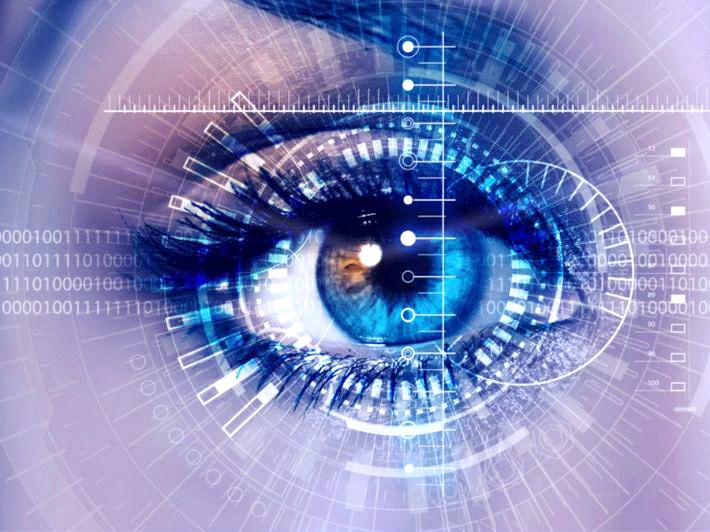
كشفت دراسة علمية حديثة منشورة في دوريات متخصصة في علوم الأعصاب، آلية جديدة تفسر كيف يدرك الدماغ الصور البصرية، في اكتشاف قد يعيد صياغة الفهم العلمي لعملية الرؤية لدى الإنسان.
وتوضح النتائج أن الرؤية لا تعتمد فقط على العين، بل على معالجة معقدة داخل الدماغ، إذ يعيد بناء الصورة اعتماداً على إشارات جزئية، مستنداً إلى تجارب سابقة ونماذج ذهنية مخزنة. ويبيّن الباحثون أن الدماغ يتوقع ما سيراه مسبقاً، ثم يقارن هذه التوقعات مع البيانات الواردة من العين، ليكوّن الصورة النهائية في أجزاء من الثانية؛ ما يعني أن ما نراه هو تفسير ذهني أكثر من كونه انعكاساً مباشراً للواقع.
هذا الاكتشاف قد يسهم في تطوير علاجات اضطرابات البصر، إضافة إلى تحسين تقنيات الذكاء الاصطناعي التي تحاكي الرؤية البشرية، خصوصاً في مجالات الواقع الافتراضي.
ويضع هذا الفهم الجديد الإنسان أمام حقيقة علمية دقيقة: الرؤية ليست عملية استقبال فقط، بل تحليل وإعادة بناء يقودها الدماغ.
A recent scientific study published in specialized journals in neuroscience has revealed a new mechanism that explains how the brain perceives visual images, in a discovery that could reshape the scientific understanding of the process of vision in humans.
The results indicate that vision does not rely solely on the eye, but rather on a complex processing within the brain, as it reconstructs the image based on partial signals, drawing on previous experiences and stored mental models. The researchers show that the brain predicts what it will see in advance, then compares these expectations with the data coming from the eye, to form the final image in fractions of a second; this means that what we see is more of a mental interpretation than a direct reflection of reality.
This discovery could contribute to the development of treatments for visual disorders, in addition to improving artificial intelligence techniques that mimic human vision, especially in the fields of virtual reality.
This new understanding places humans before an accurate scientific fact: vision is not just a process of reception, but rather an analysis and reconstruction led by the brain.