ناصر صالح الصرامي alsaraminasse@ | صحفي سعودي — يكتب في مساحة تلتقي فيها التقنية بالإنسان
• تسريح الموظفين ليس خبراً مهماً مع الذكاء الاصطناعي!
• الآلة ستسرق الوظيفة والقيمة الإنسانية.. وهذا هو الزلزال الفعلي!
• الأزمات الاقتصادية والإرباك في سلاسل الإمداد تُسرّع إحلال الذكاء الاصطناعي للأبد!
• «الاستقرار الوظيفي» أصبح مجرد ذكرى!
حين أعلن رئيس JPMorgan لمديريه: توقفوا عن التوظيف، الذكاء الاصطناعي قادم.
لم يكن يتحدث عن المستقبل. كان يصف الواقع، الآن..
حين تستطيع شركة استبدال موظف براتب 120,000 دولار سنوياً باشتراك ذكاء اصطناعي بـ100 دولار شهرياً، هنا يأتي موضوع الاختيار بين واجب قانوني تجاه المساهمين أو المسؤولية الاجتماعية. وعادة القرار يُتخذ بصمت حتى أصوات المسرَّحين لم تعد تُسمع.
• الأرقام تكشف القادم!
في النصف الأول من 2025 وحده، خسر 77,999 موظفاً في قطاع التقنية وظائفهم بسبب الذكاء الاصطناعي مباشرةً، أي 491 وظيفة تختفي كل يوم.
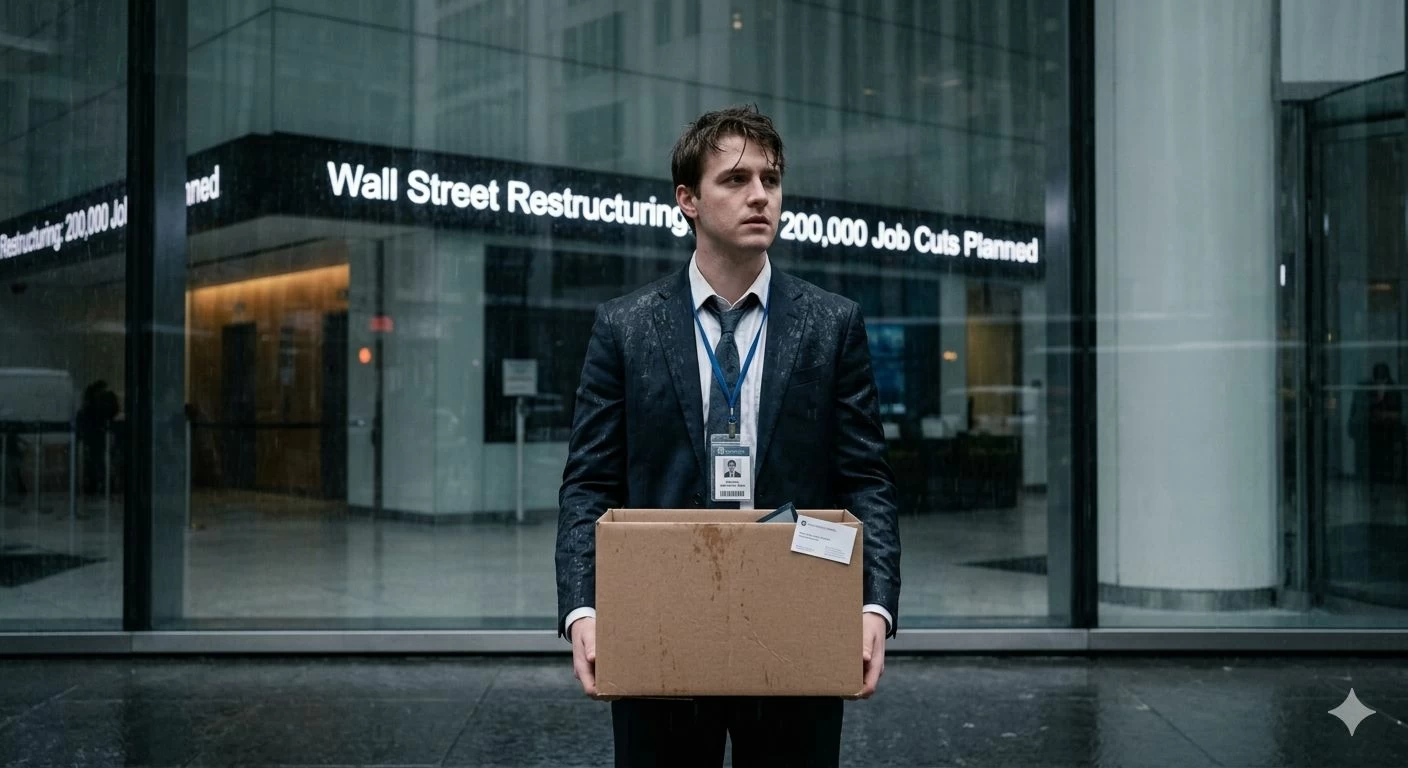
لكن الرقم الأشد قلقاً ليس هذا. بنوك وول ستريت تخطط للتخلص من 200,000 وظيفة خلال 3 إلى 5 سنوات، ومعظمها في الأدوار المبتدئة والخلفية.
إنها سياسة مقصودة. بعض الشركات لا تُعلن «فصلنا موظفين بسبب الذكاء الاصطناعي»، بل تتحدث عن "إعادة هيكلة" و«رفع الكفاءة». الخ الخ ...
إن الوقود الذي يُسرّع تسريح العاملين هو الضغط الاقتصادي العالمي، الضغط الاقتصادي العالمي لا يُبطّئ إحلال الذكاء الاصطناعي، بل يدفعه بسرعته.
مديرة صندوق النقد الدولي قالتها في دافوس بوضوح: «الذكاء الاصطناعي يضرب سوق العمل كالتسونامي، ومعظم الدول والشركات غير مستعدة».
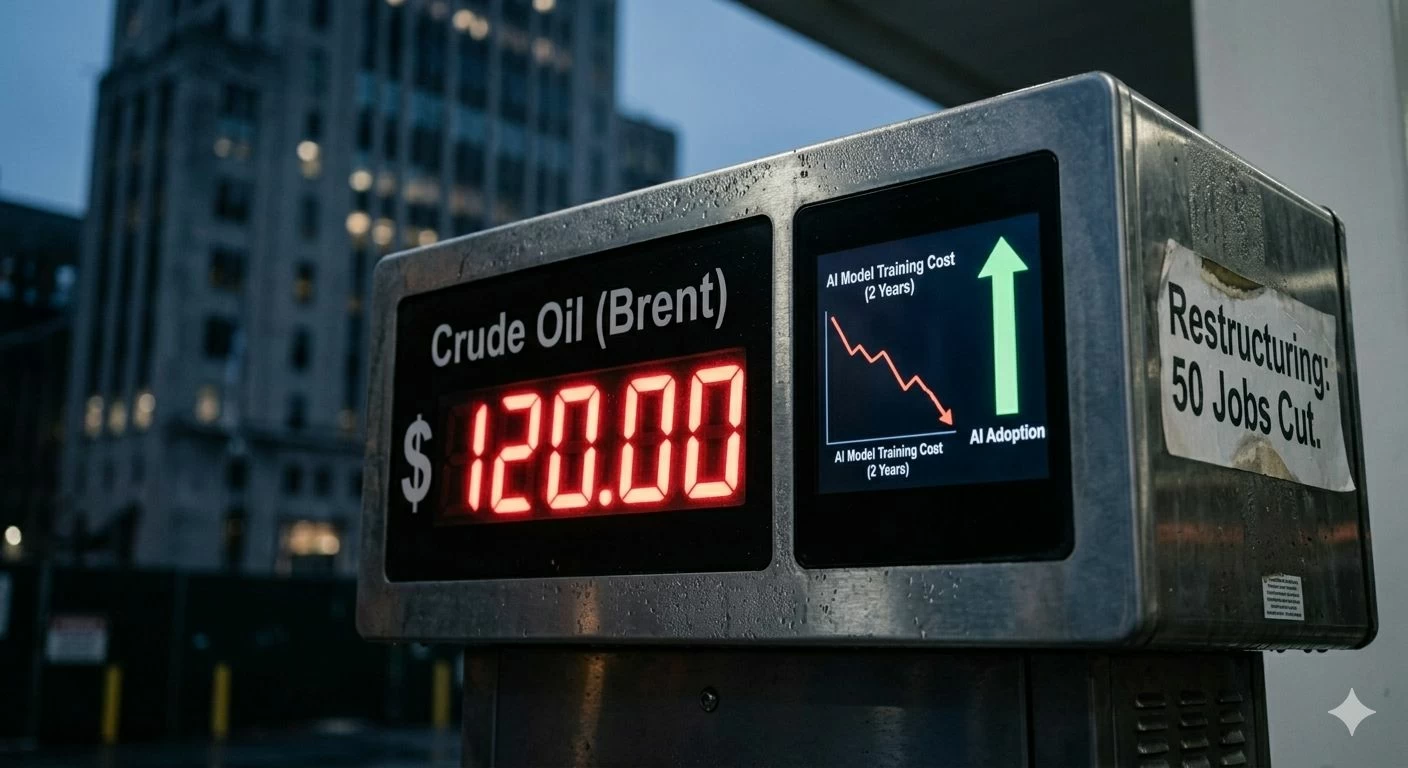
والآن حرب الشرق الأوسط، وأسعار النفط فوق 120 دولاراً، والتعريفات الجمركية التي تُفكك سلاسل الإمداد، كل هذا يضغط على هوامش الشركات. وحين تضيق الهوامش، يُصبح الذكاء الاصطناعي الرخيص ضرورة.
حيث إن تكلفة نماذج الذكاء الاصطناعي انخفضت 280 مرة في عامين. وما كان مكلفاً أمس بات في متناول أي شركة متوسطة اليوم، وقد ينخفض أكثر وبالتأكيد ترتقي جودته وأداؤه.
والمعادلة القاتلة واضحة: أزمة اقتصادية، تسبب عوائد أقل، تستدعي ذكاءً اصطناعياً رخيصاً، يدعمه ضغط المساهمين والمستثمرين. النتيجة حتمية: إنه التسريح، وإحلال الذكاء الاصطناعي للأبد.
والصدمة اليوم أن الشركات تُسرّح بسبب الوعد، لا بسبب الأداء!
نعم، هذه هي الحقيقة الأكثر صدمة.
41 % من أصحاب العمل عالمياً يخططون لاستخدام الذكاء الاصطناعي لتقليص الموظفين، لكن 77% منهم في الوقت ذاته يعتزمون إعادة تأهيل موظفيهم للعمل معه.
بمعنى آخر: الإنسان يخسر وظيفته اليوم لصالح آلة لم تُثبت كفاءتها بعد غدٍ!
الحقيقة الأخلاقية: هذا ليس تقدماً. هذا رهان بأرواح الناس على مستقبل غير مضمون.
لكن للرأسمالية العالمية رأي آخر!
• الفرز الحضاري أم الاستبدال؟
ما يحدث فعلاً ليس استبدالاً جماعياً، بل فرز حضاري. العمال ينقسمون إلى فئتين: من يوظّف الذكاء الاصطناعي لتضخيم قدراته، ومن تحلّ الآلة محله.
والفاصل بين الفئتين لم يعد في الشهادة، ولا الخبرة أيضاً، ولا حتى العمر.
الفاصل هو مهارة واحدة بسيطة: مهارة العمل مع الآلة. إن لم تمتلكها، الآلة تعمل بدلاً منك.
• حين تسرق الآلة قيمة الإنسان
حين يخسر إنسان وظيفته لصالح آلة، لا يشعر بالإحلال الاقتصادي فقط. يشعر بأن قيمته قابلة للقياس والاستبدال.
وهذا الشعور أخطر من البطالة نفسها.
لأن البطالة تزول حين تجد عملاً جديداً. لكن الشعور بأن آلة أتقنت ما أتقنته، وأنها فعلته أسرع وأرخص وبلا تذمر، هذا الأمر تحديداً يترك أثراً أعمق. يُربك الإجابة عن سؤال لم يتوقع الإنسان أن يواجهه يوماً: ماذا يُقدّم للعالم؟ وما هي قيمته فعلاً إذا كانت الآلة تمتلك مهارات أفضل منه؟
طوال التاريخ، عرّف الإنسان نفسه بعمله. الحرفي بيده. الكاتب بقلمه. المحاسب بدقته. الطبيب بتشخيصه. العمل لم يكن وسيلة للعيش فحسب، بل كان إجابة عن سؤال الوجود.
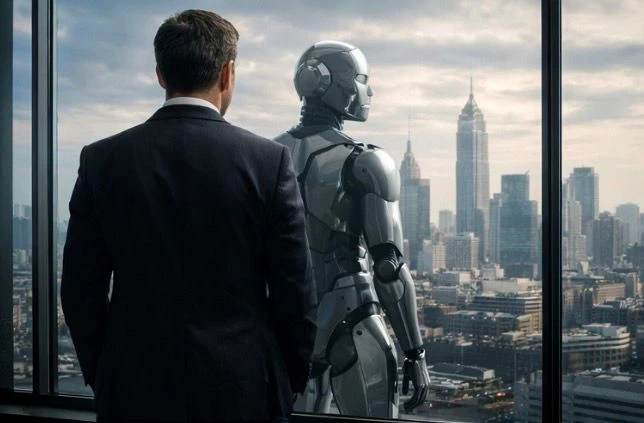
الذكاء الاصطناعي لا يسرق الوظيفة فقط. يسرق الإجابة والقيمة وبعض الوجود.
ويترك الإنسان وحيداً أمام سؤال أكبر: إذا لم أكن أنا ما أعمله، فمن أنا؟ وأي قيمة لي؟
المنتدى الاقتصادي العالمي يتوقع تهجير 92 مليون وظيفة بحلول 2030 — مع ظهور 170 مليون وظيفة جديدة.
رقم مطمئن ظاهرياً، لكنه يخفي الحقيقة: الوظائف التي تختفي والوظائف التي تُولد ليست في نفس المدينة، ولا تتطلب نفس المهارات، ولا تُدفع بنفس الراتب.
عامل البريد في القاهرة الذي تحلّ محله آلة فرز ذكية، لن يُصبح مهندس ذكاء اصطناعي في سان فرانسيسكو. أو مهندس روبات في بكين..
إلى اللقاء،،
• Layoffs are not big news with artificial intelligence!
• The machine will steal the job and human value.. and this is the real earthquake!
• Economic crises and disruptions in supply chains accelerate the permanent replacement of artificial intelligence!
• "Job stability" has become just a memory!
When the CEO of JPMorgan announced to his managers: stop hiring, artificial intelligence is coming.
He was not talking about the future. He was describing the reality, now..
When a company can replace an employee with a salary of $120,000 a year with an AI subscription for $100 a month, this raises the issue of choosing between a legal obligation to shareholders or social responsibility. Usually, the decision is made silently until the voices of the laid-off are no longer heard.
• The numbers reveal what’s coming!
In the first half of 2025 alone, 77,999 employees in the tech sector lost their jobs directly due to artificial intelligence, which means 491 jobs disappear every day.
But the more alarming number is not this. Wall Street banks plan to eliminate 200,000 jobs over the next 3 to 5 years, most of them in entry-level and back-office roles.
It’s a deliberate policy. Some companies do not announce "we laid off employees due to artificial intelligence," but rather talk about "restructuring" and "increasing efficiency," etc...
The fuel that accelerates layoffs is global economic pressure; global economic pressure does not slow down the replacement of artificial intelligence, but rather drives it at speed.
The managing director of the International Monetary Fund stated clearly in Davos: "Artificial intelligence is hitting the labor market like a tsunami, and most countries and companies are unprepared."
And now the Middle East war, oil prices above $120, and tariffs that are dismantling supply chains, all of this is putting pressure on corporate margins. When margins tighten, cheap artificial intelligence becomes a necessity.
As the cost of AI models has decreased 280 times in two years. What was expensive yesterday is now within reach of any medium-sized company today, and it may decrease further, and its quality and performance are certainly improving.
The deadly equation is clear: an economic crisis leads to lower returns, which calls for cheap artificial intelligence, supported by pressure from shareholders and investors. The result is inevitable: it is layoffs and the permanent replacement of artificial intelligence.
And the shock today is that companies are laying off due to the promise, not due to performance!
Yes, this is the most shocking truth.
41% of employers globally plan to use artificial intelligence to reduce staff, but 77% of them at the same time intend to retrain their employees to work with it.
In other words: a person loses their job today in favor of a machine that has not yet proven its efficiency tomorrow!
The moral truth: this is not progress. This is a gamble with people's lives on an uncertain future.
But global capitalism has a different opinion!
• Civilizational sorting or replacement?
What is actually happening is not mass replacement, but civilizational sorting. Workers are divided into two categories: those who employ artificial intelligence to amplify their capabilities, and those whom the machine replaces.
The divide between the two categories is no longer based on degrees, nor experience, nor even age.
The divide is one simple skill: the skill of working with the machine. If you do not possess it, the machine works instead of you.
• When the machine steals human value
When a person loses their job to a machine, they do not only feel the economic replacement. They feel that their value is measurable and replaceable.
And this feeling is more dangerous than unemployment itself.
Because unemployment disappears when you find a new job. But the feeling that a machine has mastered what you have mastered, and that it did it faster, cheaper, and without complaint, this specifically leaves a deeper mark. It confuses the answer to a question that a person never expected to face: what do I offer to the world? And what is my value really if the machine has better skills than me?
Throughout history, humans have defined themselves by their work. The craftsman by his hands. The writer by his pen. The accountant by his accuracy. The doctor by his diagnosis. Work was not just a means of living, but an answer to the question of existence.
Artificial intelligence does not just steal the job. It steals the answer, the value, and some existence.
And it leaves the person alone in front of a bigger question: if I am not what I do, then who am I? And what value do I have?
The World Economic Forum predicts the displacement of 92 million jobs by 2030 — with the emergence of 170 million new jobs.
A seemingly reassuring number, but it hides the truth: the jobs that disappear and the jobs that are created are not in the same city, do not require the same skills, and are not paid the same salary.
The postal worker in Cairo, who is replaced by a smart sorting machine, will not become an AI engineer in San Francisco. Or a robotics engineer in Beijing..