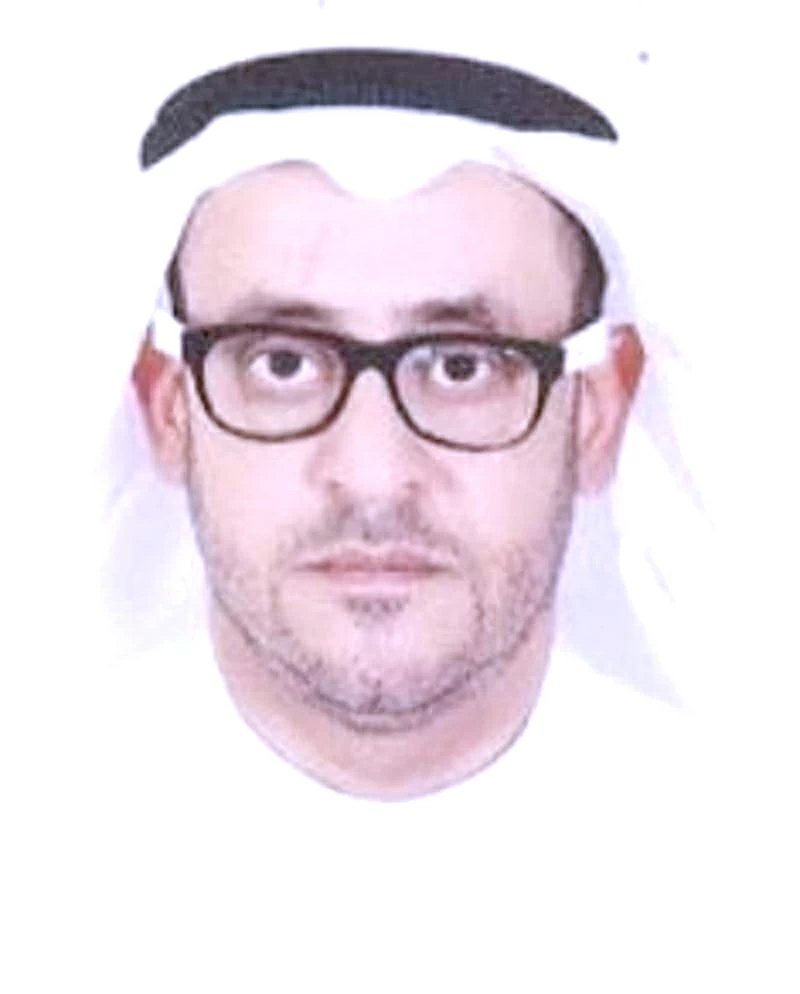
أوضح استشاري الأمراض الوراثية الدكتور خالد وسيه لـ«عكاظ»، أنه لا فرق بين التوحد وطيف التوحد، مبيناً أن المصطلح تطوّر مع اتساع فهم الحالة منذ أربعينيات القرن الماضي، عندما شخّص البروفيسور ليو كانر أولى الحالات، إذ لاحظ الأطباء لاحقاً تبايناً كبيراً في شدة الأعراض، ما أدى إلى اعتماد مفهوم «طيف التوحد»، الذي يتدرج من حالات خفيفة تصعب ملاحظتها إلى حالات شديدة.
وأشار إلى أن دراسات التوائم المتطابقة أثبتت، أن التوحد يرتبط بخلل في المادة الوراثية يمنح القابلية للإصابة، لكنه لا يُعد مرضاً توريثياً ينتقل بالضرورة بين الأجيال، موضحاً أن ظهور الحالة يتطلب محفزاً بيئياً، خصوصاً خلال الأشهر الثلاثة الأولى من الحمل.
وبيّن، أن من أبرز هذه المحفزات البيئية، ثلاثة عوامل رئيسية تشمل؛ التعرّض للمبيدات الحشرية، واستخدام بعض المضادات الحيوية، إضافة إلى التعرّض لمواد مشعّة أو إشعاعات، وهي عوامل قد تسهم في تحفيز ظهور الحالة لدى الطفل في حال وجود الاستعداد الوراثي، ما قد يسهم في ظهور الحالة لدى الطفل.
وفي ما يتعلق بمصطلح «الانفصال البيئي»، أكد أنه تعبير غير طبي يُستخدم لوصف انعزال الطفل عن محيطه، مشدداً على أن التدخل المبكر يرفع فرص التحسن والاندماج في المجتمع.
Dr. Khalid Waseh, a genetic disorders consultant, clarified to "Okaz" that there is no difference between autism and the autism spectrum, explaining that the term evolved with the expanding understanding of the condition since the 1940s when Professor Leo Kanner diagnosed the first cases. Later, doctors noticed a significant variation in the severity of symptoms, which led to the adoption of the concept of "autism spectrum," ranging from mild cases that are difficult to notice to severe cases.
He pointed out that studies on identical twins have proven that autism is linked to a genetic malfunction that predisposes individuals to the condition, but it is not considered a hereditary disease that necessarily passes between generations. He explained that the emergence of the condition requires an environmental trigger, especially during the first three months of pregnancy.
He indicated that among the most prominent environmental triggers, there are three main factors: exposure to pesticides, the use of certain antibiotics, and exposure to radioactive materials or radiation. These factors may contribute to the emergence of the condition in a child if there is a genetic predisposition, which may lead to the appearance of the condition in the child.
Regarding the term "environmental separation," he confirmed that it is a non-medical expression used to describe a child's isolation from their surroundings, emphasizing that early intervention increases the chances of improvement and integration into society.