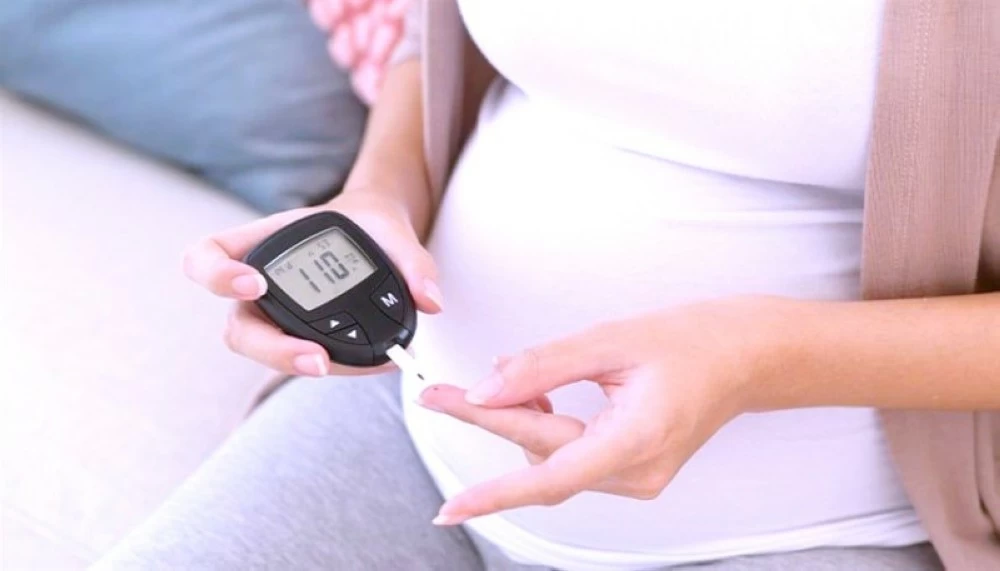
تسلّط نتائج علمية حديثة الضوء على ارتباط محتمل بين إصابة المرأة الحامل بالسكري وارتفاع خطر إصابة المولود بالصرع في السنوات الأولى من عمره، في معطيات طبية تعزز أهمية المتابعة الصحية الدقيقة خلال الحمل وبعد الولادة، خصوصًا لدى الأمهات المصابات بالسكري بأنواعه المختلفة. وتشير البيانات إلى أن الخطر يبقى محدودًا نسبيًا، لكنه يظل مؤشرًا يستدعي الانتباه الطبي المبكر والتشخيص الوقائي لحماية صحة الأطفال في مراحل النمو الأولى.
وأُجريت الدراسة، بمشاركة فرق بحثية من جامعات كندية عدة، بينها بريتش كولومبيا وماجيل وتورونتو، وشملت أكثر من مليوني طفل وُلدوا بين عامي 2002 و2018، كان نحو 8% منهم قد تعرضوا لسكري الحمل أو لمقدماته قبل الولادة. وأظهرت النتائج، أن احتمالات الإصابة بالصرع قبل سن الثالثة ترتفع بدرجة أكبر عند تعرض الجنين للسكري من النوع الثاني تحديدًا، وفق ما نشرته دورية Pediatrics المتخصصة في طب الأطفال.
ويرى الباحثون، أن هذا الارتباط يرتبط بزيادة مضاعفات الحمل، مثل الولادة المبكرة أو القيصرية أو تسمم الحمل، إضافة إلى اضطراب مستويات السكر في دم الأم واحتمالات الالتهابات، وهي عوامل قد تؤثر في التطور العصبي المبكر للطفل. ومع ذلك، شددوا على أن النتائج لا تثبت علاقة سببية مباشرة بين سكري الأم وحدوث الصرع، لكنها تؤكد ضرورة المتابعة الطبية الوثيقة للأطفال المولودين لأمهات مصابات بالسكري، بهدف الكشف المبكر وتقليل المخاطر الصحية المحتملة.
Recent scientific results shed light on a potential link between pregnant women suffering from diabetes and an increased risk of their newborns developing epilepsy in the early years of life. This medical data reinforces the importance of precise health monitoring during pregnancy and after childbirth, especially for mothers with various types of diabetes. The data indicates that the risk remains relatively limited, but it is still a marker that calls for early medical attention and preventive diagnosis to protect children's health in the early stages of development.
The study was conducted with the participation of research teams from several Canadian universities, including British Columbia, McGill, and Toronto, and included more than two million children born between 2002 and 2018, about 8% of whom had been exposed to gestational diabetes or its precursors before birth. The results showed that the likelihood of developing epilepsy before the age of three increases significantly when the fetus is exposed specifically to type 2 diabetes, according to what was published in the journal Pediatrics, which specializes in pediatric medicine.
Researchers believe that this association is linked to an increase in pregnancy complications, such as premature birth, cesarean delivery, or preeclampsia, in addition to disturbances in the mother's blood sugar levels and the likelihood of infections, which are factors that may affect the child's early neurological development. However, they emphasized that the results do not prove a direct causal relationship between maternal diabetes and the occurrence of epilepsy, but they confirm the necessity of close medical follow-up for children born to mothers with diabetes, with the aim of early detection and reducing potential health risks.