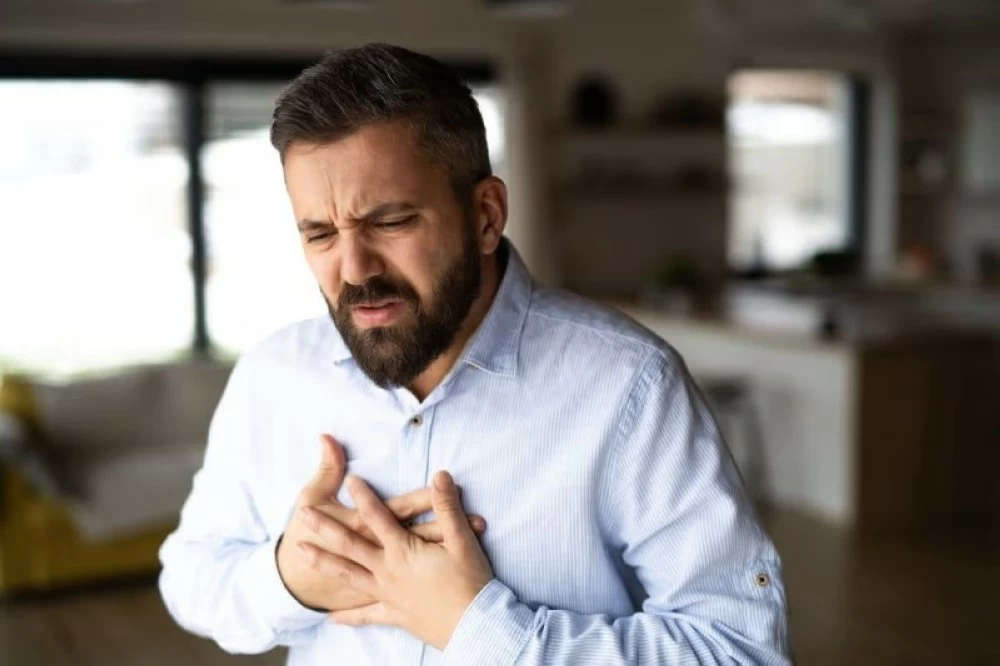
حذّر طبيب متخصص في أمراض القلب من أن استمرار عرضين صحيين لفترة طويلة قد يكون مؤشراً على الإصابة بما يُعرف بالنوبة القلبية الصامتة، وهي من أخطر أنواع النوبات القلبية، إذ قد تحدث من دون أعراض واضحة، ولا يتم اكتشافها إلا بعد مرور أسابيع أو أشهر، وفي بعض الحالات بعد سنوات.
وفي مقال نشرته مؤسسة القلب البريطانية، أكد البروفيسور تيم تشيكو، استشاري أمراض القلب، أن هذا النوع من النوبات أكثر شيوعاً مما يعتقده الكثيرون، مشيراً إلى أنها تمثل نحو ثلث إجمالي النوبات القلبية.
علامتان مستمرتان لا يجب تجاهلهما
وأوضح البروفيسور تيم تشيكو أن استمرار ألم الصدر أو ضيق التنفس قد يكون إشارة إلى نوبة قلبية سابقة لم يتم اكتشافها في وقتها، مشيراً إلى أن هذا النوع من النوبات غالباً ما يمر دون ملاحظة.
وقال: «في كثير من الحالات، لا يتم تشخيص النوبات القلبية الصامتة إلا أثناء فحص طبي روتيني، أو عند ظهور أعراض مستمرة مثل الذبحة الصدرية أو صعوبة التنفس».
وأضاف أن بعض المرضى لا يتذكرون التعرض لأي أعراض سابقة، بينما يتوجه آخرون إلى الطبيب بسبب مشكلات صحية مزمنة، من بينها: آلام متكررة في الصدر، ضيق مستمر في التنفس، إرهاق غير مبرر، ضعف القدرة على بذل مجهود، ألم في الأسنان، ألم في الظهر، شعور عام بالإرهاق أو المرض.
لماذا تُعد النوبات القلبية الصامتة خطيرة؟
وأشار إلى أن الخطورة تكمن في أن العلاج يتأخر، ما يؤدي إلى زيادة تلف عضلة القلب، وارتفاع خطر الإصابة بنوبة قلبية أخرى.
من الأكثر عرضة للإصابة؟
وأشار الخبراء إلى أن هناك فئات معينة تكون أكثر عرضة للإصابة بالنوبات القلبية الصامتة، أبرزها: كبار السن، إذ قد يتم تجاهل الأعراض أو تفسيرها على أنها نتيجة طبيعية للتقدم في العمر، ومرضى السكري، الذين قد لا يشعرون بألم الصدر المعتاد بسبب تلف الأعصاب المرتبط بالمرض، ما يؤدي إلى تأخر اكتشاف النوبة القلبية.
كيف يشعر المصاب بنوبة قلبية صامتة؟
بحسب خبراء عيادة كليفلاند، قد يشعر المصاب وكأنه مصاب بالإنفلونزا، يعاني من شدّ عضلي في الصدر أو أعلى الظهر، يشعر بألم في الفك أو الذراعين أو أعلى الظهر، يعاني من إرهاق شديد، يشعر بعسر هضم.
كيف تقلل خطر الإصابة؟
وأكد البروفيسور تشيكو أن الوقاية تبدأ باتباع نمط حياة صحي، وعلاج ارتفاع الكوليسترول، والسيطرة على ضغط الدم، وضبط مرض السكري. وشدّد على ضرورة مراجعة الطبيب عند وجود أي من أعراض النوبة القلبية الشائعة، والتي تحدث عندما ينقطع تدفق الدم إلى القلب فجأة، وغالباً بسبب جلطة.
وتشمل الأعراض: ألماً أو ضغطاً أو ضيقاً في الصدر، ألماً ينتشر إلى الذراعين أو الفك أو الرقبة أو الظهر أو البطن، الدوخة أو الدوار، التعرق، ضيق التنفس، الغثيان أو القيء، قلقاً شديداً يشبه نوبة هلع، سعالاً أو أزيزاً.
لكن هيئة الخدمات الصحية البريطانية تؤكد أن بعض الأشخاص قد يعانون من ضيق تنفس، غثيان، وألم في الظهر أو الفك.
A cardiology specialist warned that the persistence of two health symptoms for a long time may indicate the occurrence of what is known as a silent heart attack, which is one of the most dangerous types of heart attacks, as it may occur without clear symptoms and is only discovered weeks or months later, and in some cases, after years.
In an article published by the British Heart Foundation, Professor Tim Chico, a cardiology consultant, confirmed that this type of heart attack is more common than many people think, noting that it accounts for about a third of all heart attacks.
Two persistent signs that should not be ignored
Professor Tim Chico explained that persistent chest pain or shortness of breath may be a sign of a previous heart attack that went undetected at the time, pointing out that this type of heart attack often goes unnoticed.
He said: “In many cases, silent heart attacks are only diagnosed during a routine medical examination, or when persistent symptoms such as angina or difficulty breathing appear.”
He added that some patients do not remember experiencing any previous symptoms, while others visit the doctor due to chronic health issues, including: recurrent chest pain, persistent shortness of breath, unexplained fatigue, reduced ability to exert effort, tooth pain, back pain, and a general feeling of fatigue or illness.
Why are silent heart attacks dangerous?
He pointed out that the danger lies in the delayed treatment, which leads to increased damage to the heart muscle and a higher risk of experiencing another heart attack.
Who is more at risk of experiencing one?
Experts indicated that certain groups are more susceptible to silent heart attacks, notably: the elderly, as symptoms may be ignored or interpreted as a natural result of aging, and diabetic patients, who may not feel the usual chest pain due to nerve damage associated with the disease, leading to a delay in the detection of the heart attack.
How does someone feel during a silent heart attack?
According to experts at the Cleveland Clinic, a person may feel as if they have the flu, experience muscle tightness in the chest or upper back, feel pain in the jaw or arms or upper back, suffer from severe fatigue, and experience indigestion.
How can the risk of occurrence be reduced?
Professor Chico confirmed that prevention starts with following a healthy lifestyle, treating high cholesterol, controlling blood pressure, and managing diabetes. He emphasized the importance of consulting a doctor if any of the common heart attack symptoms occur, which happen when blood flow to the heart suddenly stops, often due to a clot.
Symptoms include: pain or pressure or tightness in the chest, pain that spreads to the arms or jaw or neck or back or abdomen, dizziness or lightheadedness, sweating, shortness of breath, nausea or vomiting, severe anxiety resembling a panic attack, coughing or wheezing.
However, the British Health Services confirm that some people may experience shortness of breath, nausea, and pain in the back or jaw.