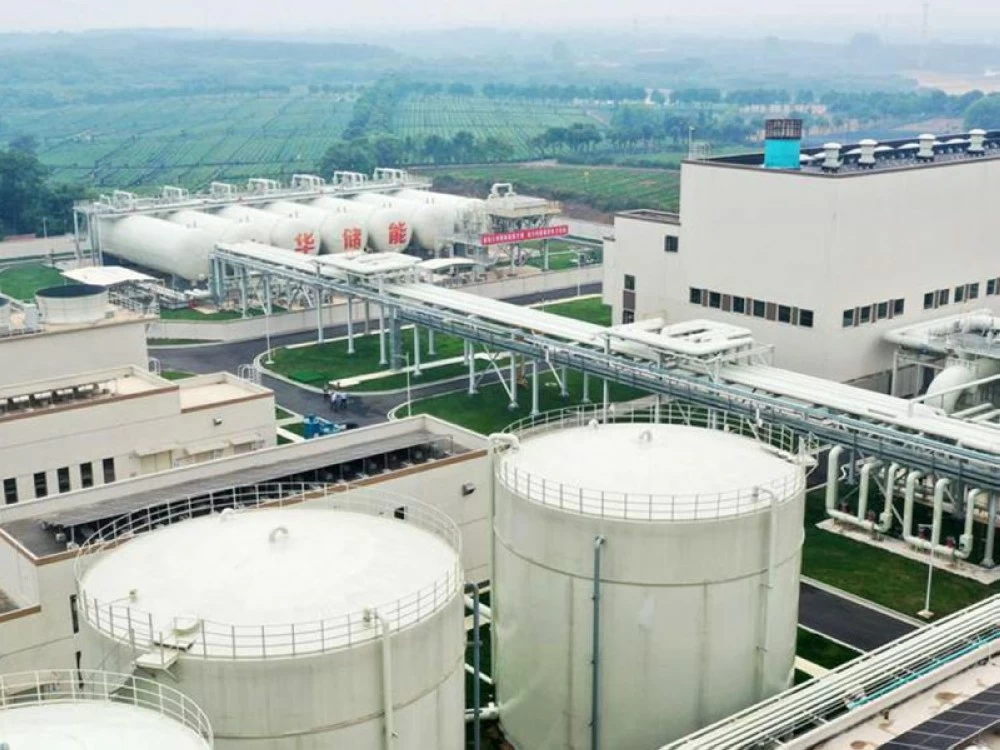
طور باحثون في الأكاديمية الصينية للعلوم تقنية جديدة لتخزين الطاقة باستخدام الهواء المضغوط، تهدف إلى تحسين كفاءة واستقرار شبكات الطاقة المتجددة.
ويعمل هذا النظام الجديد عن طريق ضخ الهواء إلى كهف تحت الأرض عند انخفاض الطلب على الكهرباء، ثم إطلاق الهواء لتوليد الطاقة أثناء فترات الذروة.
ويبلغ إنتاج الوحدة الواحدة من النظام أكثر من 100 ميجاوات، مع كفاءة تشغيل تصل إلى 88.1 بالمئة عند الضغط الأقصى البالغ 10.1 ميجا باسكال.
وأشار الباحثون إلى أن النظام قادر على العمل ضمن نطاق حمل واسع يتراوح بين 38.7 بالمئة و118.4 بالمئة، ما يسمح بتغطية فترات متفاوتة من الطلب على الطاقة. وأوضحت التجارب أن النظام يمكنه مضاعفة إنتاج الطاقة مقارنة بالأنظمة التقليدية، مع خفض تكاليف التشغيل.
ويأتي هذا التطور في إطار جهود الصين لتطوير تكنولوجيات تخزين الطاقة، والتي تلعب دوراً مهماً في دمج الطاقة الشمسية وطاقة الرياح في الشبكة الكهربائية، وتعزيز استقرارها في ظل الإنتاج المتقطع للطاقة المتجددة.
Researchers at the Chinese Academy of Sciences have developed a new technology for energy storage using compressed air, aimed at improving the efficiency and stability of renewable energy networks.
This new system works by pumping air into an underground cavern during low electricity demand, then releasing the air to generate power during peak periods.
The output of a single unit of the system exceeds 100 megawatts, with an operating efficiency of up to 88.1 percent at a maximum pressure of 10.1 megapascals.
The researchers noted that the system is capable of operating within a wide load range of 38.7 percent to 118.4 percent, allowing it to cover varying periods of energy demand. Experiments have shown that the system can double energy output compared to traditional systems, while reducing operating costs.
This development comes as part of China's efforts to advance energy storage technologies, which play a crucial role in integrating solar and wind energy into the electrical grid and enhancing its stability amid the intermittent production of renewable energy.