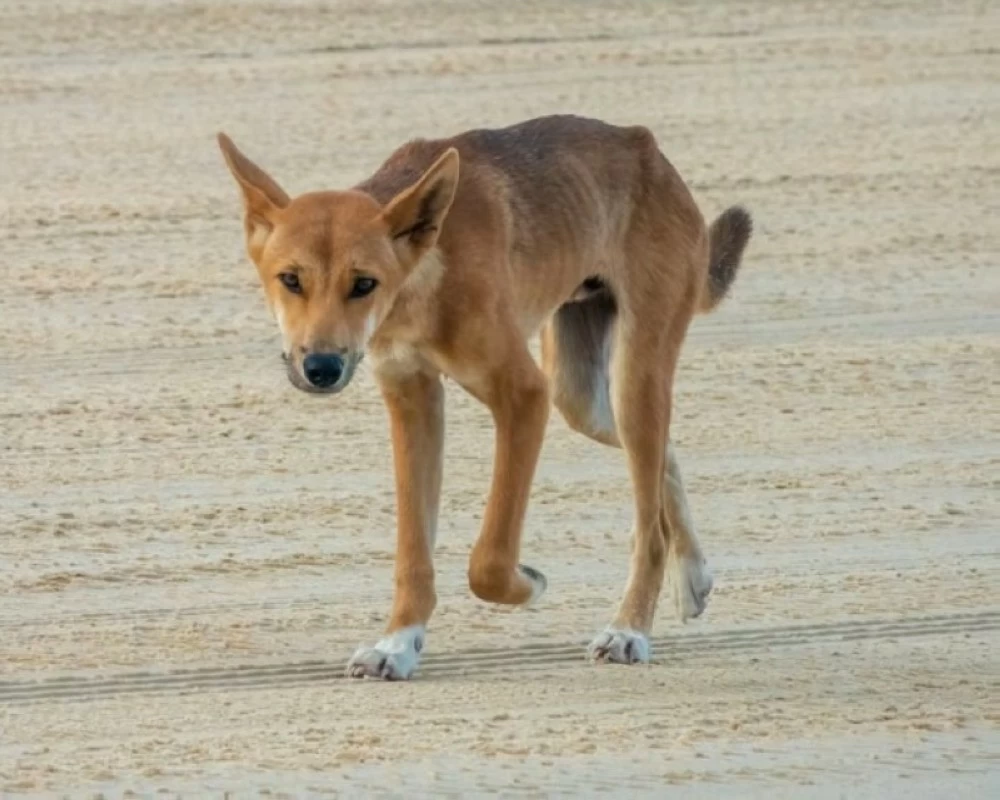
أعلنت حكومة ولاية كوينزلاند الأسترالية عزمها التخلص من قطيع من كلاب الدنغو في جزيرة كغاري (K’gari)، بعد ربطه بوفاة السائحة الكندية الشابة بايبر جيمس، في خطوة أثارت انتقادات حادة من السكان الأصليين للجزيرة.
إعدام قطيع كامل
وقال وزير البيئة في الولاية، أندرو باول، إن السلطات قررت «إزالة وإعدام قطيع كامل يضم عشرة من كلاب الدنغو» بعد أن اعتُبر يشكّل «خطراً غير مقبول على السلامة العامة»، وأضاف أن القرار جاء عقب حادثة وفاة جيمس (19 عاماً) يوم الإثنين الماضي.
مأساة سائحة كندية
وكان تقرير تشريح الجثة، الذي نُشر الجمعة، قد أشار إلى وجود أدلة جسدية تتوافق مع الغرق، إضافة إلى إصابات تتماشى مع عضّات كلاب الدنغو، مؤكداً في الوقت ذاته أن آثار العضّ التي تعرّضت لها قبل الوفاة «لم تكن على الأرجح السبب المباشر للموت».
جزيرة كغاري على قائمة التراث
وتقع جزيرة كغاري، المدرجة على قائمة التراث العالمي، على بعد نحو 380 كيلومتراً شمال العاصمة بريزبن، وتضم ما يُقدّر بنحو 200 من كلاب الدنغو، التي تُعد حيواناً مقدساً لدى شعب بوتشولا الأصلي، والذي يطلق عليها اسم «وونغاري»، وكانت الجزيرة تُعرف سابقاً باسم جزيرة فريزر.
وأفادت وزارة البيئة بأن حرّاس الحياة البرية راقبوا القطيع المعني على مدار أسبوع، ولاحظوا سلوكيات عدوانية متكررة، ما دفع إلى تصنيفه كتهديد مباشر لسلامة الزوار.
مأساة أثّرت على السكان
وقال باول في بيان رسمي: «هذه مأساة أثّرت بعمق في سكان كوينزلاند ولامست مشاعر الناس حول العالم»، مضيفاً أن القرار «صعب، لكنه يصب في المصلحة العامة».
في المقابل، وصفت سكرتيرة مؤسسة بوتشولا للسكان الأصليين كريستين رويان، القرار بأنه «عملية إعدام جماعي»، مؤكدة أن المُلّاك التقليديين للجزيرة لم تتم استشارتهم، ولم يتم إبلاغهم بالخطوة إلا بعد تنفيذ جزء منها، رغم أن الجزيرة تُدار بشكل مشترك بين حكومة الولاية وشعب بوتشولا بموجب حقوق الملكية الأصلية.
وقالت رويان: «كنت مصدومة، هذا التصرف يظهر عدم احترام لشعوب الأمم الأولى، وهو أمر مخزٍ».
وبحسب تقارير محلية، تم بالفعل قتل ستة من كلاب الدنغو يوم السبت، على أن يُستكمل التخلص من بقية القطيع لاحقاً.
تزايد الهجوم
ورغم تزايد حوادث هجوم كلاب الدنغو على الجزيرة خلال السنوات الأخيرة، فإن الحوادث القاتلة لا تزال نادرة، ويُعد مقتل الطفلة أزاريا تشامبرلين عام 1980، قرب أليس سبرينغز، أشهر هذه القضايا، والتي أُدينت فيها والدتها ظلماً قبل تبرئتها لاحقاً.
كما شهدت جزيرة كغاري عام 2001 حادثة مقتل الطفل كلينتون غيج (9 أعوام)، أعقبها التخلص من نحو 30 من كلاب الدنغو، في إجراء قوبل حينها بانتقادات واسعة من جماعات حماية البيئة والحكومة الفيدرالية.
ومنذ ذلك الوقت، تبنت حكومة الولاية إجراءات وقائية مثل إقامة الأسوار ولوحات التحذير، مع الاستمرار في التخلص من بعض الحيوانات الفردية عند الضرورة.
ويحمّل السكان الأصليون والناشطون البيئيون السياحة المفرطة مسؤولية تصاعد الهجمات، محذرين من تأثيرها المدمر على النظام البيئي للجزيرة.
تحذير للتراث العالمي
وكانت اللجنة الاستشارية للتراث العالمي قد حذّرت، في فبراير الماضي، من أن بيئة كغاري مهددة «بالتدمير» بسبب الاكتظاظ السياحي، وهو ما ترفض الحكومة حتى الآن مواجهته بفرض سقف لعدد الزوار.
من جانبه، حذّر المحاضر في جامعة وسط كوينزلاند، برادلي سميث، من أن أي خسائر إضافية في أعداد كلاب الدنغو – التي يُقدّر عددها بين 100 و200 – ستكون «كارثية على بقائها واستمراريتها».
The government of Queensland, Australia, has announced its intention to cull a pack of dingoes on K’gari Island, after linking it to the death of young Canadian tourist Piper James, a move that has sparked sharp criticism from the island's Indigenous residents.
Culling an Entire Pack
State Environment Minister Andrew Powell stated that authorities decided to "remove and cull an entire pack consisting of ten dingoes" after it was deemed to pose "an unacceptable risk to public safety." He added that the decision came following the incident involving James (19 years old) last Monday.
Tragedy of a Canadian Tourist
A post-mortem report published on Friday indicated physical evidence consistent with drowning, in addition to injuries consistent with dingo bites, while also confirming that the bite marks she sustained prior to her death "were likely not the direct cause of death."
K’gari Island on the Heritage List
K’gari Island, listed as a UNESCO World Heritage site, is located about 380 kilometers north of the capital Brisbane and is home to an estimated 200 dingoes, which are considered sacred animals by the Butchulla people, who refer to them as "Wongari." The island was formerly known as Fraser Island.
The Department of Environment reported that wildlife rangers monitored the concerned pack for a week and observed repeated aggressive behaviors, prompting its classification as a direct threat to visitor safety.
A Tragedy Affecting the Residents
Powell stated in an official statement: "This is a tragedy that has deeply affected the people of Queensland and touched hearts around the world," adding that the decision is "difficult, but it serves the public good."
In contrast, Christine Royan, secretary of the Butchulla Indigenous Corporation, described the decision as "a mass execution," emphasizing that the traditional owners of the island were not consulted and were only informed of the action after part of it had been carried out, despite the island being jointly managed by the state government and the Butchulla people under Indigenous land rights.
Royan said: "I was shocked; this action shows a lack of respect for First Nations peoples, which is shameful."
According to local reports, six dingoes were already killed on Saturday, with plans to continue culling the rest of the pack later.
Increase in Attacks
Despite the increase in dingo attacks on the island in recent years, fatal incidents remain rare. The death of Azaria Chamberlain in 1980 near Alice Springs is the most famous of these cases, in which her mother was wrongfully convicted before being exonerated later.
K’gari Island also witnessed the death of nine-year-old Clinton Gage in 2001, followed by the culling of about 30 dingoes, a move that faced widespread criticism from environmental groups and the federal government at the time.
Since then, the state government has adopted preventive measures such as erecting fences and warning signs, while continuing to cull individual animals when necessary.
Indigenous residents and environmental activists blame excessive tourism for the rise in attacks, warning of its devastating impact on the island's ecosystem.
Warning for the World Heritage Site
The World Heritage Advisory Committee warned in February that K’gari's environment is threatened "with destruction" due to tourist overcrowding, which the government has so far refused to address by imposing a cap on the number of visitors.
For his part, Bradley Smith, a lecturer at Central Queensland University, warned that any further loss in the dingo population—estimated to be between 100 and 200—would be "catastrophic for their survival and continuity."