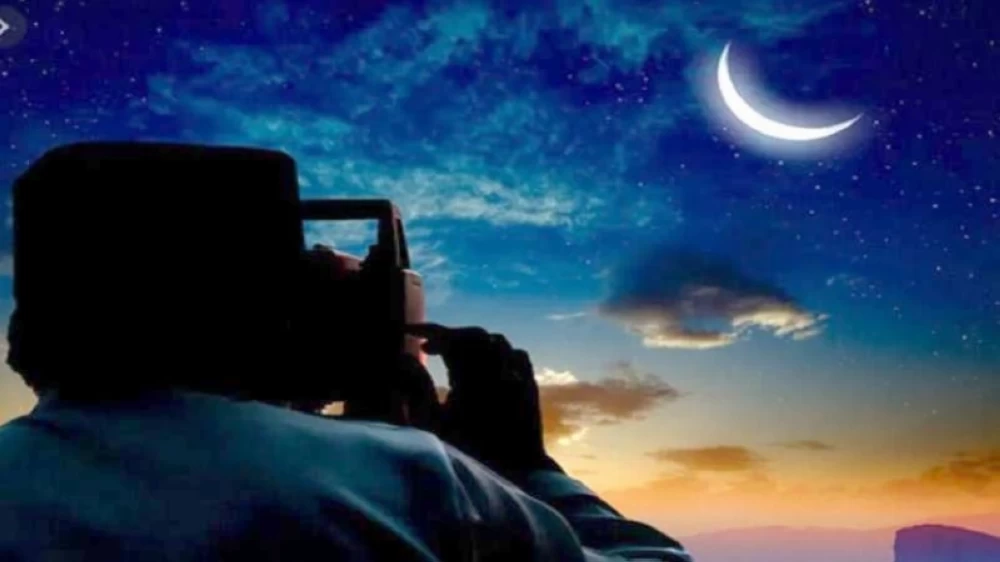
يُرصد هلال شهر شعبان مساء اليوم، بعد غروب الشمس منخفضًا باتجاه الأفق الجنوبي الغربي، حيث يظهر في مشهد يتيح فرصة مثالية للرصد والتصوير في مختلف أنحاء الوطن العربي.
وأفاد رئيس الجمعية الفلكية بجدة المهندس ماجد أبو زاهرة، أن القمر وصل إلى مرحلة الاقتران المركزي يوم الأحد 29 رجب 1447هـ عند الساعة 10:51 مساءً بتوقيت مكة المكرمة، وهي اللحظة التي ينتقل فيها القمر من غرب الشمس إلى شرقها إيذانًا ببدء شهر قمري جديد.
وبيَّن، أنه مع ابتعاد القمر عن وهج الشمس تصبح رؤيته بالعين المجردة أوضح مقارنة بالليلة الماضية، على أن يزداد ارتفاعه تدريجيًا في الأيام القادمة مع تزايد الجزء المضاء منه، ويمكن أثناء الرصد ملاحظة ظاهرة «نور الأرض»، حيث ينعكس ضوء الشمس عن كوكب الأرض ليضيء الجزء غير المضاء من القمر بوهج خافت، لافتًا الانتباه إلى أنه مع استمرار حركة القمر نحو الشرق في مداره حول الأرض يتغير موقعه الظاهري في السماء يوميًا؛ مما يجعله مُرشدًا طبيعيًا لتحديد مواقع النجوم والكواكب.
The crescent moon of the month of Sha'ban will be observed this evening, after sunset, low on the horizon in the southwestern direction, where it will appear in a scene that provides an ideal opportunity for observation and photography across the Arab world.
The head of the Astronomical Society in Jeddah, Engineer Majid Abu Zahra, stated that the moon reached the central conjunction phase on Sunday, 29th of Rajab 1447 AH, at 10:51 PM Mecca time, which is the moment when the moon transitions from west of the sun to east of it, signaling the start of a new lunar month.
He explained that as the moon moves away from the glare of the sun, its visibility to the naked eye becomes clearer compared to the previous night, and it will gradually rise higher in the coming days as the illuminated portion of it increases. During the observation, the phenomenon of "Earthshine" can be noticed, where sunlight reflects off the Earth to illuminate the unlit part of the moon with a faint glow. He pointed out that as the moon continues its movement eastward in its orbit around the Earth, its apparent position in the sky changes daily, making it a natural guide for determining the locations of stars and planets.