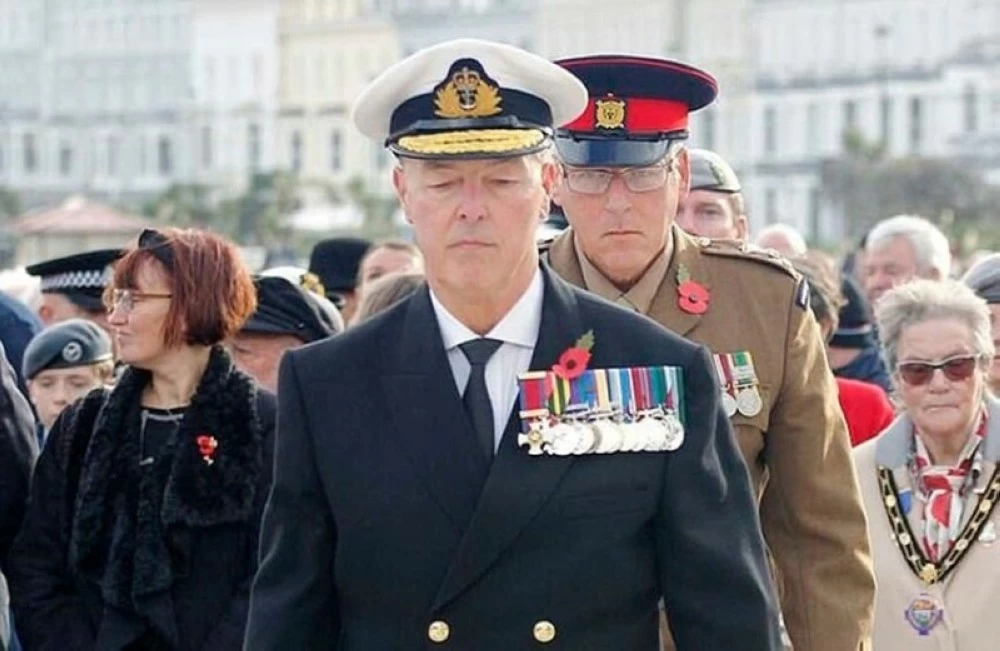
أصدرت محكمة بريطانية حكماً بتغريم رجل يبلغ من العمر 65 عاماً، بعد أن انتحل صفة أميرال في البحرية الملكية وظهر مرتدياً زياً عسكرياً رسمياً خلال فعالية لإحياء يوم الذكرى في شمال ويلز، في مشهد لفت انتباه أحد المحاربين القدامى وأثار شكوكه.
محاولة تبرير فاشلة
وعند سؤاله عن رتبته العسكرية، حاول الرجل المراوغة وتقديم إجابات غير واضحة، قبل أن يتبيّن لاحقاً أن صفته العسكرية مزورة بالكامل ولا تستند إلى أي سجل رسمي في القوات المسلحة.
حقيقة الأوسمة
وكشفت التحقيقات أن المتهم، ويدعى كارلي، وهو مدرس تاريخ سابق، كان قد حصل على الزي العسكري بشكل قانوني خلال دراسته في كلية عسكرية، إلا أنه عمد لاحقاً، وبمساعدة خياط، إلى إضافة عدد كبير من الأوسمة والنياشين غير المستحقة، من بينها وسام الخدمة المتميزة، فضلاً عن ميداليات قام بشرائها عبر الإنترنت.
اعتراف وعقوبة
وألقت الشرطة القبض عليه في منزله، حيث أقر بجميع الوقائع المنسوبة إليه. وقررت المحكمة تغريمه مبلغ 500 جنيه إسترليني، أي ما يعادل نحو 677 دولاراً أمريكياً، في قضية أثارت جدلاً واسعاً حول استغلال الرموز العسكرية والتلاعب بتاريخها.
A British court has issued a ruling fining a 65-year-old man after he impersonated an admiral in the Royal Navy and appeared wearing an official military uniform during a Remembrance Day event in North Wales, in a scene that caught the attention of a veteran and raised his suspicions.
A Failed Justification Attempt
When questioned about his military rank, the man attempted to dodge the questions and provide unclear answers, before it later became evident that his military status was entirely fabricated and not based on any official record in the armed forces.
The Truth About the Medals
Investigations revealed that the accused, named Carley, a former history teacher, had obtained the military uniform legally while studying at a military college, but later, with the help of a tailor, added a large number of unearned medals and decorations, including the Distinguished Service Medal, as well as medals he purchased online.
Confession and Penalty
The police arrested him at his home, where he confessed to all the charges against him. The court decided to fine him £500, equivalent to about $677, in a case that sparked widespread controversy over the exploitation of military symbols and the manipulation of their history.