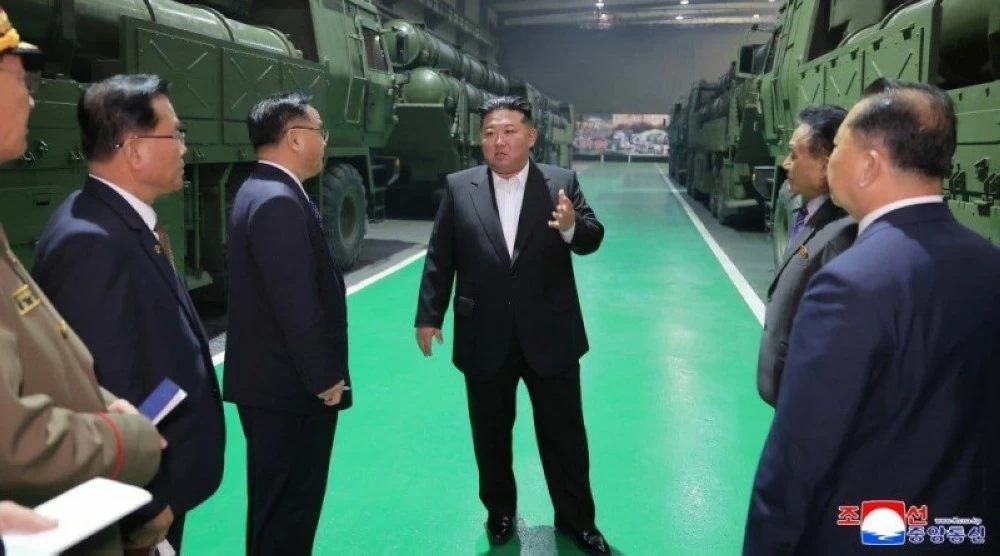
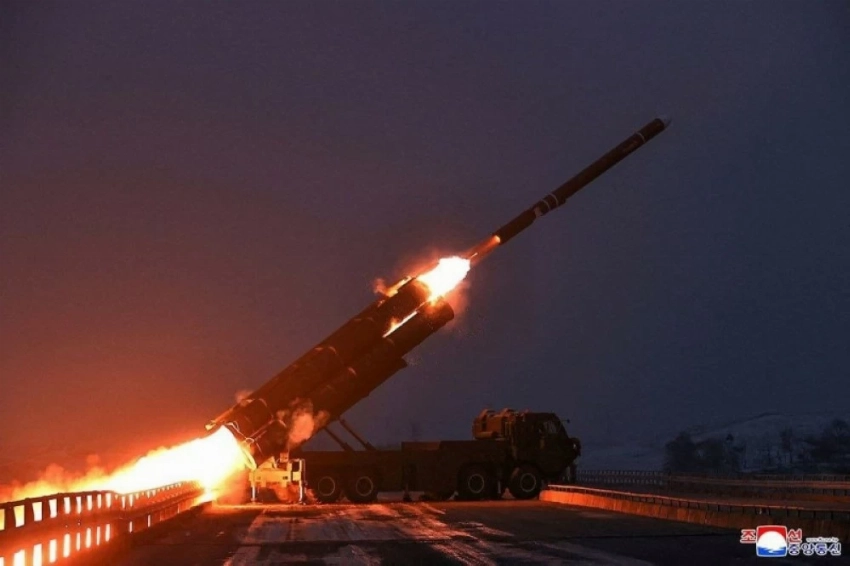
أجرت كوريا الشمالية تجربة إطلاق ناجحة لصاروخ كروز استراتيجي بعيد المدى، بإشراف الزعيم كيم جونغ أون شخصياً، وفقاً لما أفادت به وكالة الأنباء المركزية الكورية الرسمية (KCNA).
وأطلق الجيش الشعبي الكوري صاروخين من طراز مطور من «هواسال-1»، وهي النسخة المطورة التي ظهرت لأول مرة في هذه التجربة، وأكدت الوكالة أن الصاروخين حلّقا لمدة تقارب 3 ساعات على مسارات محددة مسبقاً فوق البحر الأصفر الغربي، قبل أن يصيبا الأهداف المحددة بدقة عالية.
ووصفت بيونغ يانغ التجربة بأنها «تأكيد على سلامة القوة النووية وجاهزية الردع المضاد»، مشددة على أنها تثبت قدرة الجيش على تنفيذ ضربات استراتيجية دقيقة ومستدامة في مواجهة «التهديدات الأمنية الخارجية».
وأشرف الرئيس الكوري الشمالي كيم جونغ أون على العملية ميدانياً، وأشاد بـ«الموثوقية المطلقة» للنظام القتالي الاستراتيجي.
ما هو صاروخ هواسال 1؟
وصاروخ «هواسال-1» هو صاروخ كروز أرضي-إطلاق استراتيجي كشفت عنه كوريا الشمالية لأول مرة عام 2021–2022، ويُعتقد أن مداه يتراوح بين 1,500–2,000 كيلومتر، مع إمكانية حمل رأس نووي أو رأس حربي تقليدي ثقيل.
ويعتمد الصاروخ على محرك توربوفان صغير الحجم، ما يتيح طيراناً منخفض الارتفاع وبطيئاً نسبياً (subsonic) لتفادي الرادارات، وهو ما يجعله صعب الكشف والاعتراض مقارنة بالصواريخ الباليستية.
وتتميز النسخة المطورة التي ظهرت في التجربة الأخيرة بتحسينات في الدقة، المدى الفعال، أو قدرة التحمل الطويل للطيران، وسبق أن أجرت بيونغ يانغ تجارب متكررة على عائلة «هواسال» (1 و2 وأنواع أخرى) خلال 2023–2025، بما في ذلك إطلاقات من غواصات وسفن سطحية، في إطار برنامج تطوير أسلحة «الردع النووي المتعدد الأبعاد».
تصعيد عسكري مستمر
تأتي التجربة في سياق تصعيد عسكري مستمر على شبه الجزيرة الكورية، حيث تجري كوريا الجنوبية والولايات المتحدة تدريبات مشتركة واسعة النطاق بانتظام، بينما ترد بيونغ يانغ بتكثيف اختبارات الأسلحة الاستراتيجية قبل انعقاد مؤتمر حزب العمال الحاكم المرتقب في أوائل 2026.
من جانبها أدانت كوريا الجنوبية واليابان والولايات المتحدة التجربة، معتبرة إياها «استفزازاً خطيراً يهدد الاستقرار الإقليمي». في المقابل، أكدت بيونغ يانغ أن مثل هذه التجارب «حق مشروع للدفاع عن النفس».
North Korea conducted a successful launch test of a long-range strategic cruise missile, personally supervised by leader Kim Jong Un, according to the official Korean Central News Agency (KCNA).
The Korean People's Army launched two missiles of a developed model of "Hwasal-1," which is the upgraded version that appeared for the first time in this test. The agency confirmed that the two missiles flew for nearly 3 hours along pre-determined trajectories over the western Yellow Sea before hitting the designated targets with high precision.
Pyongyang described the test as a "confirmation of the safety of the nuclear force and the readiness of counter-deterrence," emphasizing that it demonstrates the army's ability to carry out precise and sustainable strategic strikes in the face of "external security threats."
North Korean President Kim Jong Un oversaw the operation on the ground and praised the "absolute reliability" of the strategic combat system.
What is the Hwasal-1 missile?
The "Hwasal-1" missile is a ground-launched strategic cruise missile that North Korea first revealed in 2021-2022. It is believed to have a range of between 1,500-2,000 kilometers, with the capability to carry either a nuclear warhead or a heavy conventional warhead.
The missile relies on a small turbofan engine, allowing for low-altitude and relatively slow (subsonic) flight to evade radar, making it difficult to detect and intercept compared to ballistic missiles.
The upgraded version that appeared in the recent test features improvements in accuracy, effective range, and long-duration flight capability. Pyongyang has previously conducted repeated tests on the "Hwasal" family (1 and 2 and other types) during 2023-2025, including launches from submarines and surface ships, as part of a multi-dimensional nuclear deterrence weapon development program.
Ongoing Military Escalation
The test comes amid ongoing military escalation on the Korean Peninsula, where South Korea and the United States regularly conduct large-scale joint exercises, while Pyongyang responds by intensifying strategic weapon tests ahead of the upcoming ruling Workers' Party conference expected in early 2026.
For its part, South Korea, Japan, and the United States condemned the test, considering it a "serious provocation that threatens regional stability." In contrast, Pyongyang affirmed that such tests are a "legitimate right to self-defense."