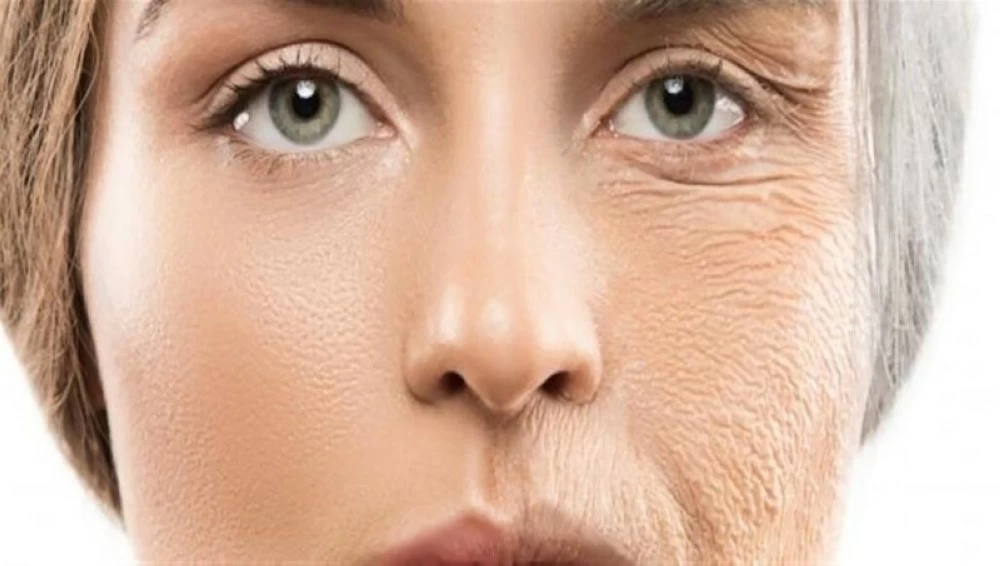
كشفت دراستان حديثتان من الصين عن مؤشر جديد وغير متوقّع قد يعكس صحة الدماغ ويكشف مبكرًا عن احتمالية الإصابة بالخرف والزهايمر، وهو تجاعيد العينين، وتحديدًا ما يُعرف بخطوط «أقدام الغراب» الدقيقة المحيطة بالعين. هذا الاكتشاف، الذي وصفته الأبحاث بأنه أداة تشخيصية غير جراحية، يستند إلى تحليل بيانات واسعة النطاق من البنك الحيوي البريطاني، شملت أكثر من 195 ألف شخص تجاوزوا الستين من العمر، وتمت متابعتهم على مدى 12 عامًا.
أظهرت النتائج أن الأشخاص الذين يبدون أكبر سناً من أعمارهم الفعلية كانوا أكثر عرضة بنسبة 61% للإصابة بالخرف، حتى بعد احتساب العوامل المؤثرة مثل التدخين ومستوى التعليم والنشاط البدني. وفي دراسة ثانية منفصلة، حلّل الباحثون صور 600 شخص من كبار السن في الصين باستخدام تقنيات رقمية متقدمة، ووجدوا أن عمق التجاعيد وعددها حول العين يرتبطان ارتباطاً وثيقاً بضعف إدراكي يمكن قياسه. بل إن كل سنة إضافية يبدو فيها الوجه أكبر من العمر الزمني الحقيقي كانت مرتبطة بزيادة خطر التدهور الإدراكي بنسبة 10%.
لماذا التجاعيد حول العين بالتحديد؟
يرجع العلماء تركيزهم على منطقة العين تحديداً إلى الطبيعة الحساسة والدقيقة للجلد المحيط بها، والذي يُعد من أرقّ مناطق الجسم وأكثرها عرضة للأضرار البيئية، خاصة الأشعة فوق البنفسجية. إذ أن هذا الضرر السطحي يترجم في الواقع إلى تدهور أعمق يتمثل في الإجهاد التأكسدي والالتهاب المزمن منخفض الدرجة، وهي عوامل ترتبط بشكل مباشر بتسريع شيخوخة الخلايا العصبية في الدماغ. ومع التقدّم في السن، تبدأ أنظمة الدفاع الذاتية للجسم — مثل إنتاج الكولاجين ومضادات الأكسدة — في التراجع، وهو ما ينعكس أولًا على البشرة، لكنه في العمق يصيب الدماغ كذلك.
الفئات الأكثر عرضة للخطر
أوضحت الدراستان أن هذا الرابط بين تجاعيد الوجه وتدهور الصحة الإدراكية لا يتوزع بشكل متساوٍ على الجميع، بل يزداد تأثيره لدى بعض الفئات مثل المصابين بالسمنة، والأشخاص المعرضين لأشعة الشمس لفترات طويلة، ومن لديهم استعداد وراثي للإصابة بألزهايمر، مما يعزز نظرية التفاعل المعقد بين الجينات ونمط الحياة والبيئة.
نحو أداة فحص جديدة عبر ملامح الوجه
ويقول البروفيسور تشانغ وي، أحد كبار الباحثين المشاركين في الدراسة: «قد نكون على أعتاب عصر جديد، حيث تتحول نظرة سريعة في المرآة إلى فحص أولي لصحة الدماغ»، في إشارة إلى إمكانية اعتماد ملامح الوجه كأداة غير مكلفة وسهلة للكشف المبكر عن الخطر الإدراكي. فالفكرة ليست في إثارة القلق، بل في تمكين الأطباء والأفراد من الوقاية المبكرة، عبر تحسين نمط الحياة، وتبني عادات غذائية مضادة للالتهاب، والحرص على الحركة والنشاط.
الصحة وجهان لعملة واحدة: الجلد والدماغ
إن هذه النتائج تسلط الضوء على حقيقة باتت أكثر وضوحًا: صحة الجسم ليست مجزأة، والعمر الذي نراه في المرآة ليس مجرد مسألة مظهر، بل انعكاس مباشر للعمر البيولوجي الداخلي. فالتجاعيد التي تظهر حول العينين ليست فقط علامة على مرور السنوات، بل قد تكون ناقوس خطر مبكر يلفت الانتباه إلى صحة الدماغ. وفي هذا السياق، تصبح العناية بالبشرة، وتجنب التعرض المفرط للشمس، والحفاظ على الوزن، وممارسة الرياضة، خطوات ضرورية لا للحفاظ على المظهر فقط، بل لحماية الذاكرة ووضوح التفكير أيضاً، لأن الجلد والدماغ في النهاية وجهان لعملة واحدة: اسمها «الصحة».
Recent studies from China have revealed a new and unexpected indicator that may reflect brain health and early detection of the likelihood of developing dementia and Alzheimer’s disease, which is the wrinkles around the eyes, specifically what is known as the fine "crow's feet" lines surrounding the eye. This discovery, described by researchers as a non-invasive diagnostic tool, is based on the analysis of extensive data from the UK Biobank, which included more than 195,000 people over the age of sixty, followed over a period of 12 years.
The results showed that individuals who appeared older than their actual age were 61% more likely to develop dementia, even after accounting for influencing factors such as smoking, education level, and physical activity. In a separate second study, researchers analyzed images of 600 elderly individuals in China using advanced digital techniques and found that the depth and number of wrinkles around the eyes were closely associated with measurable cognitive decline. In fact, each additional year that a face appeared older than its chronological age was linked to a 10% increased risk of cognitive deterioration.
Why specifically the wrinkles around the eyes?
Scientists focus on the eye area specifically due to the sensitive and delicate nature of the skin surrounding it, which is among the thinnest areas of the body and most susceptible to environmental damage, especially ultraviolet rays. This superficial damage actually translates into deeper deterioration manifested in oxidative stress and low-grade chronic inflammation, factors that are directly associated with accelerating the aging of neurons in the brain. As one ages, the body's self-defense systems—such as collagen production and antioxidants—begin to decline, which first reflects on the skin, but also affects the brain at a deeper level.
At-risk groups
The two studies indicated that the link between facial wrinkles and cognitive health decline is not evenly distributed among everyone, but its impact increases among certain groups such as those with obesity, individuals exposed to sunlight for prolonged periods, and those with a genetic predisposition to Alzheimer’s, reinforcing the theory of the complex interaction between genes, lifestyle, and environment.
Towards a new screening tool through facial features
Professor Chang Wei, one of the senior researchers involved in the study, stated: “We may be on the brink of a new era, where a quick glance in the mirror could serve as a preliminary screening for brain health,” referring to the potential for using facial features as a cost-effective and easy tool for early detection of cognitive risk. The idea is not to incite worry, but to empower doctors and individuals for early prevention through lifestyle improvements, adopting anti-inflammatory dietary habits, and ensuring movement and activity.
Health is two sides of the same coin: skin and brain
These results highlight a truth that has become increasingly clear: body health is not fragmented, and the age we see in the mirror is not just a matter of appearance, but a direct reflection of internal biological age. The wrinkles that appear around the eyes are not just a sign of the passing years, but may also be an early warning bell drawing attention to brain health. In this context, skincare, avoiding excessive sun exposure, maintaining weight, and exercising become essential steps not only for preserving appearance but also for protecting memory and clarity of thought, because skin and brain are ultimately two sides of the same coin: named “health.”