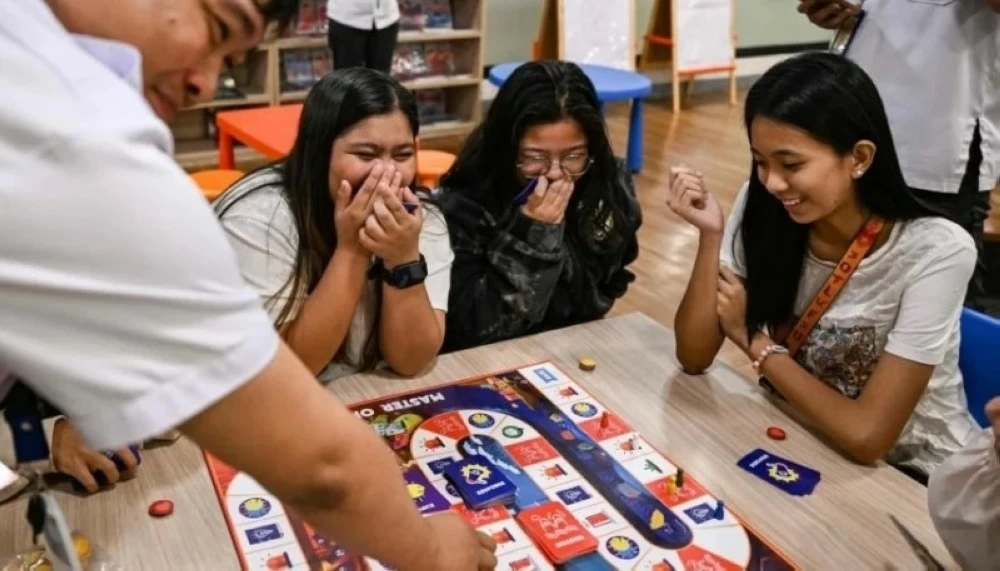
في تجربة غير تقليدية تجمع بين التعليم والتسلية، تحول المراهقون في الفلبين إلى «أبطال نجاة» عبر لعبة لوحية مبتكرة تحمل اسم «سيد الكوارث»، تضعهم وجهاً لوجه مع أعاصير وزلازل وفيضانات وانهيارات أرضية، لتعليمهم كيف يواجهون الكوارث قبل وقوعها.
في مكتبة فالينزويلا شمال مانيلا، تتسم أجواء اللعب بالحماس والتعاون، حيث يتنقل اللاعبون على لوح اللعبة عبر رمي النرد، وينفذون تعليمات بطاقات تتضمن إستراتيجيات النجاة، ويحصلون على رموز بطولية عند إنقاذ زملائهم، في مزيج من المرح والتدريب الواقعي.
ويكشف المشروع فجوة كبيرة في جاهزية المجتمع، إذ تشير تقديرات إلى أن أقل من نصف الفلبينيين خضعوا لتدريب على الكوارث أو يمتلكون أدوات إسعاف أولي، في بلد يواجه سنوياً نحو 20 إعصاراً وزلازل يومية، ويقع بالكامل ضمن ما يُعرف بـ«حلقة النار» في المحيط الهادئ.
وأوضح فرانسيس ماكاتولاد أحد مطوري اللعبة أن امتلاك المعرفة الأساسية يمكن أن يقلل بشكل كبير من الخسائر البشرية والمادية، مشيراً إلى أن النسخة الحديثة من اللعبة تضمنت تأثيرات التغير المناخي مثل الجفاف وموجات الحر والانهيارات الأرضية، لتصبح أكثر واقعية وفاعلية.
والآن، تدرس الحكومة الفلبينية إمكانية توسيع نطاق توزيع اللعبة، بعد أن أظهرت النسخ التجريبية تحسناً ملموساً في وعي الشباب بأساسيات الاستعداد للكوارث، مع تركيز خاص على المجتمعات الأكثر ضعفاً أمام التغير المناخي، لتصبح اللعبة أداة تعليمية جديدة في مواجهة المخاطر الطبيعية.
In an unconventional experience that combines education and entertainment, teenagers in the Philippines have turned into "Survival Heroes" through an innovative board game called "Master of Disasters," which puts them face to face with hurricanes, earthquakes, floods, and landslides, teaching them how to confront disasters before they occur.
In the Valenzuela Library north of Manila, the atmosphere of play is filled with enthusiasm and cooperation, as players move across the game board by rolling dice, executing instructions from cards that include survival strategies, and earning heroic tokens for rescuing their teammates, in a blend of fun and realistic training.
The project reveals a significant gap in community preparedness, as estimates suggest that less than half of Filipinos have undergone disaster training or possess first aid tools, in a country that faces about 20 typhoons and daily earthquakes each year, and is entirely located within what is known as the "Ring of Fire" in the Pacific.
Francis Macatulad, one of the game's developers, explained that having basic knowledge can significantly reduce human and material losses, noting that the modern version of the game includes the impacts of climate change such as droughts, heatwaves, and landslides, making it more realistic and effective.
Now, the Philippine government is considering expanding the distribution of the game, after pilot versions showed a tangible improvement in youth awareness of the basics of disaster preparedness, with a special focus on communities most vulnerable to climate change, making the game a new educational tool in facing natural hazards.