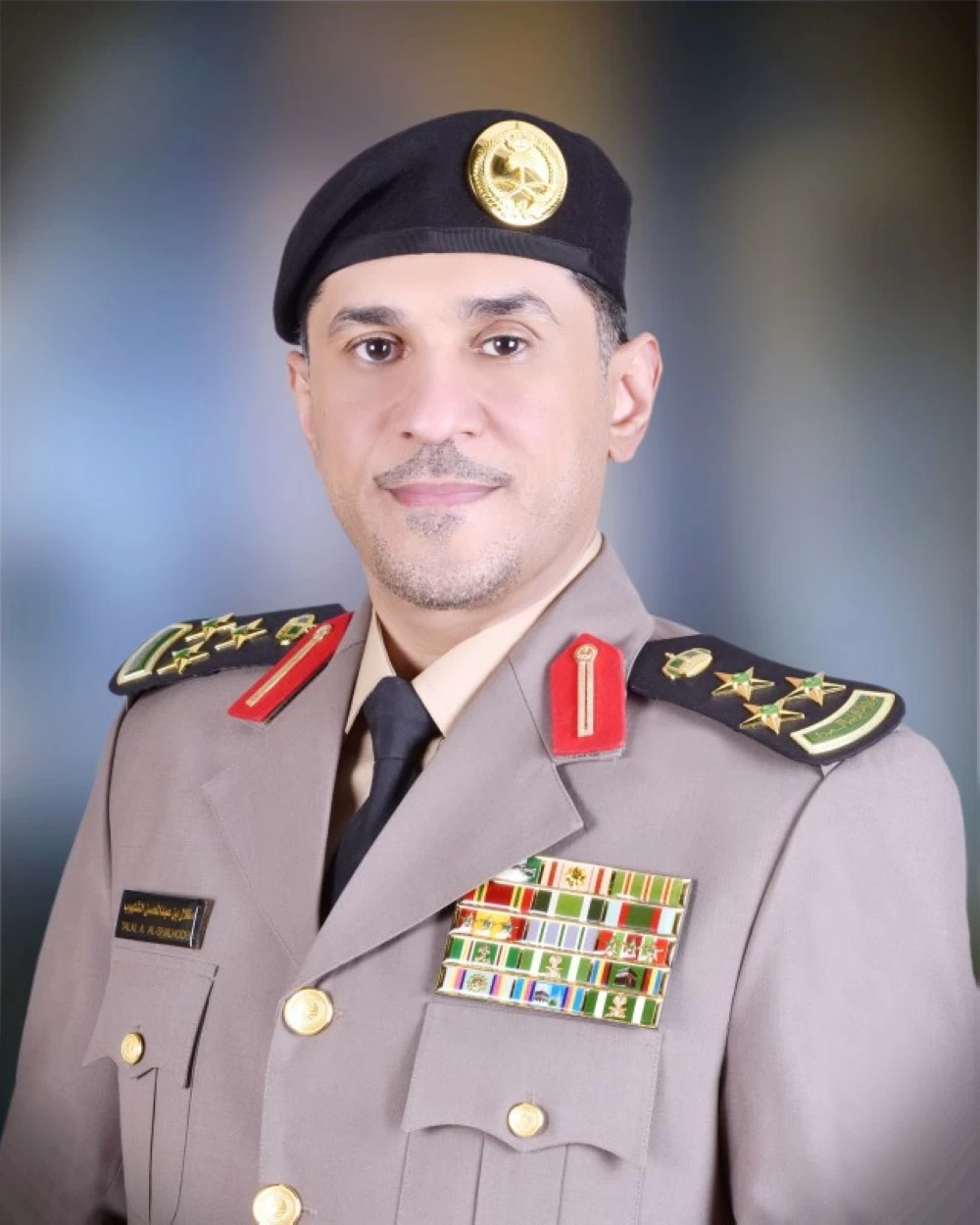
يجسد العميد طلال بن عبدالمحسن الشلهوب مسؤولية مهنية، يمكن من خلالها قراءة التحول الذي طرأ على مفهوم المتحدث الأمني، من كونه دوراً تفاعلياً مرتبطاً بالحدث، إلى مسؤولية وطنية تمارس تأثيراً مباشراً في إدارة الأمن العام، وضبط المجال المعلوماتي، وبناء وعي المجتمع، فحضوره في هذا الموقع لا يُقرأ من زاوية الظهور الإعلامي، بل من زاوية ما يحمله المنصب من مسؤوليات اتصالية دقيقة في بيئة تتقاطع فيها السرعة، والحساسية، وتعدد مصادر المعلومة.
ينطلق العميد الشلهوب، في ممارسته لدور المتحدث الأمني، من فهم واضح للإعلام الأمني بوصفه جزءاً من المنظومة الأمنية، لا واجهة موازية لها.
فالمعلومة الأمنية، في تصوره العملي، ليست مادة للنشر فحسب، بل عنصرٌ مؤثرٌ في السلوك العام، وفي قدرة المجتمع على التفاعل الإيجابي مع الأنظمة، والإجراءات، والتحذيرات.
لذلك يركّز هذا الدور على تعزيز الأمن عبر توضيح جهود القطاعات الأمنية في الضبط والحضور الميداني، وربطها بسياقها النظامي، بما يمنح المجتمع فهماً أدق لطبيعة العمل الأمني وحدوده.
وفي هذا الإطار، يبرز أحد أهم أدواره في رفع مستوى الوعي المجتمعي بأهمية الإبلاغ عن الحوادث الجنائية، باعتباره شريكاً وقائياً في حفظ الأمن، لا مجرد متلقٍ للنتائج. كما يندرج ضمن هذا الدور التحذير المبكر من المخاطر المحتملة، وتقديم الرسائل الوقائية التي تسبق الحدث أو ترافقه، بما يسهم في احتواء الأزمات وتقليل آثارها. هنا يصبح الاتصال الأمني أداة استباق، تعمل قبل أن تتوسع المشكلة أو تتشكل روايات غير دقيقة حولها.
أما على مستوى إدارة المشهد الإعلامي، فتتمثل مسؤوليته الأساسية في التواصل المنظم مع وسائل الإعلام، وتقديم التحديثات الرسمية المعتمدة بلغة دقيقة ومتزنة، تراعي حساسية المعلومة ومتطلبات الشفافية في آن واحد. ويُعد هذا الدور محورياً في مكافحة الشائعات وتصحيح المعلومات الخاطئة، ليس عبر الرد الانفعالي، بل من خلال ترسيخ مصدر رسمي موثوق، قادر على ضبط إيقاع المعلومة ومنع تضاربها.
سيرته في هذا المجال لم تُبنَ دفعة واحدة؛ إذ شكّلت تجربته السابقة متحدثاً باسم المديرية العامة للجوازات قاعدة عملية مهمة، تعامل خلالها مع أنظمة وإجراءات تمس شريحة واسعة من المجتمع والمقيمين. وقد أسهم هذا الدور في ترسيخ قدرته على تبسيط الأنظمة، وشرح الإجراءات، وربطها بأهدافها التنظيمية، وهو ما انعكس لاحقاً في أدائه متحدثاً أمنياً لوزارة الداخلية على نطاق أوسع وأكثر تعقيداً.
وبصفته مديراً للإدارة العامة للإعلام والاتصال المؤسسي ومتحدثاً أمنياً في وزارة الداخلية، يتجاوز دور الشلهوب حدود التصريح إلى إدارة منظومة اتصال متكاملة، تُعنى بتوحيد الرسائل، وضبط القنوات، والتخطيط للمحتوى الأمني، بما يوازن بين حق المجتمع في المعرفة ومتطلبات العمل الأمني. وبهذا المعنى، تتجسد قيمته المهنية لا في الإطراء أو الظهور، بل في ممارسة دقيقة لدور المتحدث الأمني بوصفه وظيفة دولة، تحمي المعلومة كما تحمي المجتمع.
Brigadier Talal bin Abdul Mohsen Al-Shalhoub embodies a professional responsibility through which one can read the transformation that has occurred in the concept of the security spokesperson, from being an interactive role linked to events, to a national responsibility that exercises a direct influence on public security management, controlling the informational domain, and building community awareness. His presence in this position is not viewed from the perspective of media appearance, but rather from the standpoint of the precise communicative responsibilities that the position entails in an environment where speed, sensitivity, and the multiplicity of information sources intersect.
Brigadier Al-Shalhoub approaches his role as a security spokesperson with a clear understanding of security media as part of the security system, not as a parallel facade.
In his practical perception, security information is not merely material for publication, but rather an influential element in public behavior and in the community's ability to positively interact with regulations, procedures, and warnings.
Therefore, this role focuses on enhancing security by clarifying the efforts of security sectors in control and field presence, linking them to their regulatory context, which provides the community with a more accurate understanding of the nature of security work and its limits.
In this context, one of his most important roles emerges in raising community awareness about the importance of reporting criminal incidents, as he is seen as a preventive partner in maintaining security, not just a recipient of the outcomes. This role also includes early warnings of potential risks and delivering preventive messages that precede or accompany events, contributing to crisis containment and reducing their impacts. Here, security communication becomes a proactive tool that operates before the problem expands or inaccurate narratives form around it.
At the level of managing the media scene, his primary responsibility is organized communication with the media, providing officially approved updates in precise and balanced language that considers the sensitivity of information and the requirements of transparency simultaneously. This role is pivotal in combating rumors and correcting false information, not through reactive responses, but by establishing a reliable official source capable of regulating the flow of information and preventing its contradictions.
His career in this field was not built all at once; rather, his previous experience as a spokesperson for the General Directorate of Passports formed an important practical foundation, during which he dealt with systems and procedures that affect a wide segment of the community and residents. This role contributed to solidifying his ability to simplify regulations, explain procedures, and link them to their organizational goals, which later reflected in his performance as a security spokesperson for the Ministry of Interior on a broader and more complex scale.
As the Director of the General Administration of Media and Institutional Communication and a security spokesperson at the Ministry of Interior, Al-Shalhoub's role transcends mere statements to managing a comprehensive communication system that focuses on unifying messages, regulating channels, and planning security content, balancing the community's right to know with the requirements of security work. In this sense, his professional value is not manifested in flattery or appearance, but in the precise exercise of the role of the security spokesperson as a state function that protects information just as it protects the community.