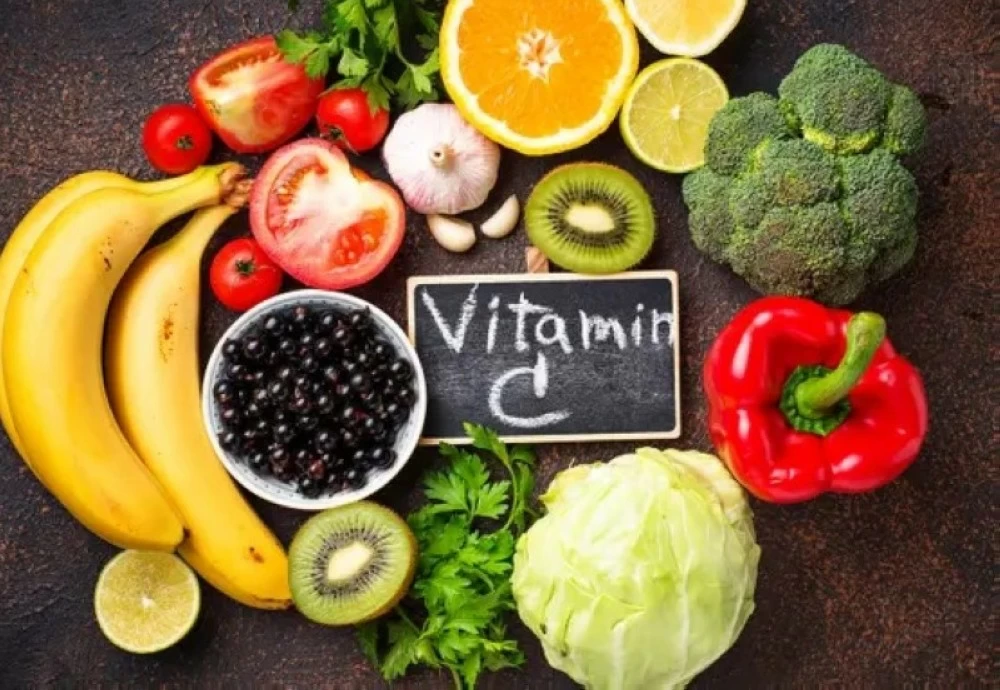
مع دخول فصل الشتاء، يتعرض الجسم لتغيّرات خفية قد لا يشعر بها كثيرون، لكنها تترك آثارًا مباشرة على الصحة العامة. انخفاض التعرض للشمس، وتغيّر العادات الغذائية، وقلة التنوع في الوجبات، كلها عوامل تؤدي إلى تراجع مستويات فيتامينات أساسية يحتاجها الجسم يوميًا.
انخفاض عام في الفيتامينات
الشتاء يُعد موسمًا شائعًا لانخفاض مستويات عدد من الفيتامينات المهمة، نتيجة قلة الخروج نهارًا والاعتماد على أنماط غذائية محدودة، ما يفتح الباب أمام مشكلات صحية تدريجية قد تبدأ بأعراض بسيطة وتنتهي باضطرابات مزمنة.
فيتامين D الأكثر تأثرًا
يأتي فيتامين D في مقدمة الفيتامينات المتأثرة خلال الشتاء، بسبب ضعف التعرض لأشعة الشمس، المصدر الأساسي لتكوينه في الجسم. هذا النقص لا يمر دون ثمن، إذ يرتبط مباشرة بضعف جهاز المناعة وزيادة آلام العظام والمفاصل، إلى جانب تقلبات في المزاج.
تراجع فيتامين C
قلة تناول الفواكه الطازجة خلال الشتاء تؤدي إلى انخفاض فيتامين C، أحد أهم مضادات الأكسدة الداعمة للمناعة. نقصه يجعل الجسم أكثر عرضة لنزلات البرد والعدوى المتكررة، ويؤخر التعافي من الأمراض الموسمية.
فيتامين B12 والتنوع الغذائي
فيتامين B12 يتأثر هو الآخر بقلة التنوع الغذائي، خصوصا مع انخفاض استهلاك البروتينات الحيوانية. ويظهر نقصه في صورة تعب عام، وإرهاق مستمر، وضعف في التركيز والذاكرة، وقد يتطور إلى مشكلات عصبية إذا استمر دون علاج.
فيتامين B6 وتغير العادات
تغير نمط الأكل في الشتاء، والاعتماد على وجبات سريعة أو غير متوازنة، يؤدي إلى تراجع فيتامين B6، الضروري لوظائف الجهاز العصبي والتمثيل الغذائي، ما ينعكس على مستوى الطاقة والمزاج.
نقص فيتامين A
ولا يقل نقص فيتامين A أهمية، إذ يؤثر سلبًا على النظر الليلي، ويتسبب في جفاف الجلد وضعف الأغشية المخاطية، ما يزيد من فرص الإصابة بالعدوى.
رسالة صحية
خبراء الصحة يؤكدون أن الانتباه للتغذية المتوازنة، والإكثار من الخضروات والفواكه، مع التعرض الآمن للشمس أو تعويض النقص بالمكملات تحت إشراف طبي، خطوات ضرورية لتفادي «النقص الصامت» الذي يرافق فصل الشتاء.
With the arrival of winter, the body undergoes subtle changes that many may not feel, but they leave direct effects on overall health. Reduced exposure to sunlight, changes in dietary habits, and a lack of variety in meals are all factors that lead to a decline in essential vitamin levels that the body needs daily.
General Decline in Vitamins
Winter is a common season for a decline in the levels of several important vitamins, due to reduced daytime outings and reliance on limited dietary patterns, which opens the door to gradual health issues that may start with mild symptoms and end with chronic disorders.
Vitamin D Most Affected
Vitamin D is at the forefront of the vitamins affected during winter, due to reduced exposure to sunlight, the primary source for its formation in the body. This deficiency does not come without a cost, as it is directly linked to weakened immunity and increased bone and joint pain, along with mood fluctuations.
Decline in Vitamin C
Reduced consumption of fresh fruits during winter leads to a decline in Vitamin C, one of the most important antioxidants that support immunity. Its deficiency makes the body more susceptible to colds and recurrent infections, and delays recovery from seasonal illnesses.
Vitamin B12 and Dietary Variety
Vitamin B12 is also affected by the lack of dietary variety, especially with decreased consumption of animal proteins. Its deficiency manifests as general fatigue, persistent exhaustion, and weakness in concentration and memory, and it may develop into neurological issues if left untreated.
Vitamin B6 and Changing Habits
A change in eating patterns during winter, relying on fast or unbalanced meals, leads to a decline in Vitamin B6, which is essential for nervous system functions and metabolism, reflecting on energy levels and mood.
Vitamin A Deficiency
The deficiency of Vitamin A is no less important, as it negatively affects night vision, causes dry skin, and weakens mucous membranes, increasing the chances of infection.
Health Message
Health experts emphasize that paying attention to balanced nutrition, increasing the intake of vegetables and fruits, along with safe exposure to sunlight or compensating for deficiencies with supplements under medical supervision, are essential steps to avoid the "silent deficiency" that accompanies the winter season.