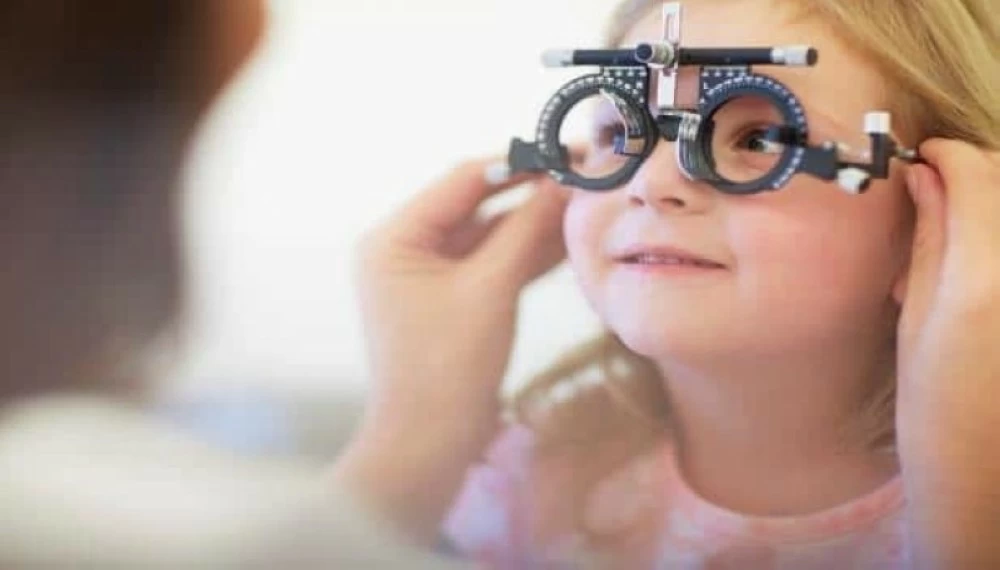
كشفت معلومات طبية حديثة أن تصحيح قصر النظر لدى الأطفال باستخدام نظارات ذات درجة تصحيح كاملة ليس فقط آمناً، بل ضروري لتطور بصري صحي وسليم، مخالفاً للاعتقاد الشائع بأن النظارات القوية قد «تعطل» عمل العين.
توضيح لمفهوم التكيف البصري
يعود هذا الاعتقاد الخاطئ إلى سوء فهم لمفهوم «عمل العين»، والذي يشير في الواقع إلى قدرة العين على التكيف، أي تغيير تركيزها بين الأجسام البعيدة والقريبة. ويتحقق تدريب هذا التكيف بشكل فعال عند استخدام تصحيح بصري كامل، لأن ذلك يضمن إسقاط صورة الأشياء البعيدة بدقة على مركز الشبكية، مما يدعم تطور الجهاز البصري.
رؤية ضبابية تفاقم قصر النظر
عدم استخدام درجة التصحيح الكاملة يؤدي إلى استمرار الرؤية الضبابية، ما يشكل ضغطاً دائماً على الجهاز البصري للطفل. وتظهر نتائج هذا الإجهاد في شكل صداع مزمن، تعب بصري، وانخفاض في الأداء الدراسي، وربما تسارع تطور قصر النظر مع مرور الوقت.
أهمية التركيز على الشبكية
يشدد التوجه العلمي الحديث على ضرورة أن يقع تركيز الصورة بدقة على مركز الشبكية، وليس أمامها، لتحقيق رؤية واضحة. ويعمل الجهاز البصري بكفاءة عندما يُمنح الطفل القدرة على التنقل البصري بين المسافات المختلفة باستخدام تصحيح مناسب، إلى جانب أهمية قضاء وقت كاف في الهواء الطلق لدعم التوازن البصري الطبيعي.
التوصيات الطبية تدعم التصحيح الكامل
تؤكد المعايير السريرية المعتمدة في بعض الدول، مثل البروتوكول العلاجي الروسي، على ضرورة وصف درجة تصحيح تحقق أعلى حدة بصرية ممكنة (1.0 أو 100%) للأطفال المصابين بقصر النظر، لضمان تطور سليم للجهاز البصري والتحكم في تطور الحالة.
Recent medical information has revealed that correcting myopia in children using glasses with full corrective strength is not only safe but essential for healthy and proper visual development, contrary to the common belief that strong glasses may "disrupt" the function of the eye.
Clarification of the Concept of Visual Accommodation
This misconception stems from a misunderstanding of the concept of "eye function," which actually refers to the eye's ability to accommodate, that is, to change its focus between distant and near objects. This accommodation training is effectively achieved when using full optical correction, as it ensures that images of distant objects are accurately projected onto the center of the retina, thereby supporting the development of the visual system.
Blurred Vision Exacerbates Myopia
Not using the full corrective strength leads to persistent blurred vision, which places constant strain on the child's visual system. The results of this strain manifest as chronic headaches, visual fatigue, and a decline in academic performance, and may accelerate the progression of myopia over time.
The Importance of Focusing on the Retina
Modern scientific approaches emphasize the necessity for the image to be accurately focused on the center of the retina, not in front of it, to achieve clear vision. The visual system operates efficiently when the child is given the ability to navigate visually between different distances using appropriate correction, along with the importance of spending adequate time outdoors to support natural visual balance.
Medical Recommendations Support Full Correction
Clinical standards adopted in some countries, such as the Russian treatment protocol, emphasize the necessity of prescribing a corrective strength that achieves the highest possible visual acuity (1.0 or 100%) for children with myopia, to ensure proper development of the visual system and control the progression of the condition.