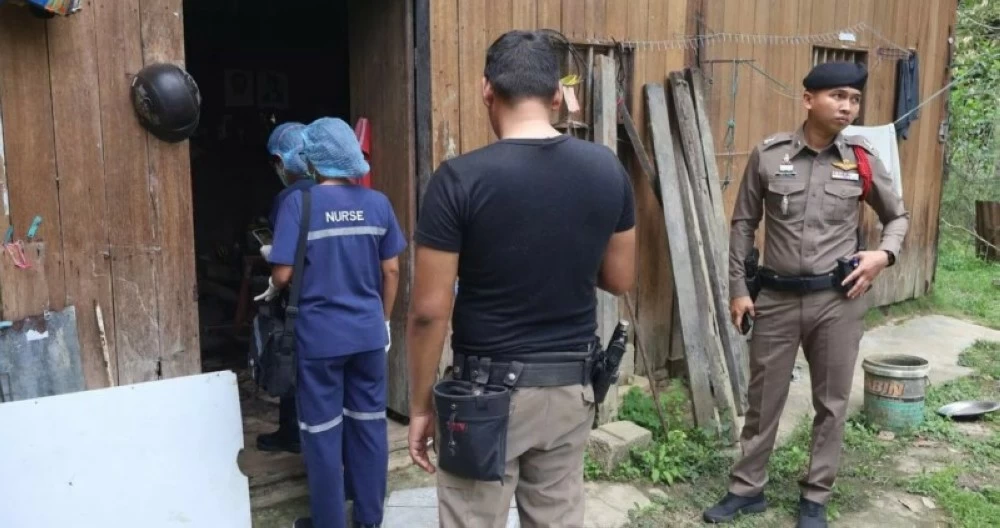
لقي رجل تايلندي مصرعه بطريقة بشعة بعد أن هاجمه قرد مكاك بري مسعور داخل منزله في مقاطعة يالا جنوب البلاد، وعضّه عشرات المرات لينزف حتى الموت، في حادثة مروعة أثارت صدمة واسعة في تايلند.
ووفقاً للتفاصيل المروعة التي كشفتها صحيفة «ديلي ميل» البريطانية، نقلاً عن الشرطة المحلية والجيران فإن تشايفوم ساي-إيونغ (63 عاماً)، وهو مزارع محلي، كان وحده في منزله الخشبي المرتفع على أعمدة، عندما اقتحم القرد المنزل من خلال نافذة مفتوحة.
وحاول تشايفوم الدفاع عن نفسه باستخدام عصا خشبية، لكن القرد الغاضب – الذي يبلغ طوله نحو 70 سم ووزنه نحو 12 كيلوغراماً – تمكن من خدشه بعنف وتمزيق ساقه اليسرى بعضّة عميقة أدت إلى نزيف حاد.
وتراجع الرجل وهو ينزف بغزارة، ثم جلس متكئاً على جدار غرفة المعيشة محاولاً الضغط على الجرح بيديه، لكنه سرعان ما فقد الوعي، وعندما عادت زوجته وابنته بعد أكثر من يوم، عثرتا عليه جثة هامدة، وكامل جسده مغطى بعشرات علامات الأسنان والمخالب، ولا يزال القرد يتجول في محيط المنزل.
وقال أحد الجيران للشرطة: «كان هذا القرد يروّع القرية منذ أسابيع، يسرق الطعام ويهاجم الأطفال والكلاب، لكننا لم نعتقد أبداً أنه قادر على قتل إنسان».
وقالت الشرطة في بيان لها: «نتكهن بأن الرجل توفي منذ يومين إلى ثلاثة أيام؛ لأن جثته كانت منتفخة وتفوح منها رائحة كريهة» وأضافت: «لا نعتقد أن أي أشخاص متورطون في الوفاة».
وتايلند موطن لأكثر من 300 ألف قرد مكاك بري، معظمها يعيش في المناطق السياحية مثل لوبوري وكرابي وفي الغابات الحدودية، ومنذ جائحة كورونا وتراجع السياحة، فقدت القرود مصادر طعامها السهلة من السُياح، فبدأت بالهجوم على القرى والمنازل بحثاً عن الطعام.
وفي السنوات الأخيرة سجّلت السلطات الصحية التايلندية أكثر من 8,500 إصابة بعضّات القرود في عام 2024 فقط، وعشرات الحالات الشهرية لداء الكلب المنقول من القرود في المقاطعات الجنوبية، وسط حملات تعقيم واسعة النطاق فشلت في كبح التكاثر السريع للمكاك.
A Thai man was brutally killed after being attacked by a rabid macaque monkey inside his home in Yala province in the south of the country, being bitten dozens of times until he bled to death, in a horrifying incident that has shocked Thailand.
According to the horrifying details revealed by the British newspaper "Daily Mail," citing local police and neighbors, Chaifom Sai-Euyong (63 years old), a local farmer, was alone in his wooden house elevated on stilts when the monkey broke into the house through an open window.
Chaifom tried to defend himself with a wooden stick, but the angry monkey – which was about 70 cm tall and weighed around 12 kilograms – managed to scratch him violently and tore into his left leg with a deep bite that caused severe bleeding.
The man retreated while bleeding profusely, then sat leaning against the wall of the living room trying to apply pressure to the wound with his hands, but he soon lost consciousness. When his wife and daughter returned after more than a day, they found him lifeless, his entire body covered in dozens of bite and claw marks, while the monkey was still roaming around the house.
One neighbor told the police: "This monkey has been terrorizing the village for weeks, stealing food and attacking children and dogs, but we never thought it was capable of killing a human."
The police stated in a report: "We speculate that the man died two to three days ago because his body was swollen and emitted a foul odor," adding, "We do not believe that any individuals are involved in the death."
Thailand is home to more than 300,000 wild macaques, most of which live in tourist areas like Lopburi and Krabi and in border forests. Since the COVID-19 pandemic and the decline in tourism, the monkeys have lost their easy food sources from tourists, leading them to attack villages and homes in search of food.
In recent years, Thai health authorities have recorded more than 8,500 cases of monkey bites in 2024 alone, and dozens of monthly cases of rabies transmitted from monkeys in the southern provinces, amidst extensive sterilization campaigns that have failed to curb the rapid reproduction of macaques.