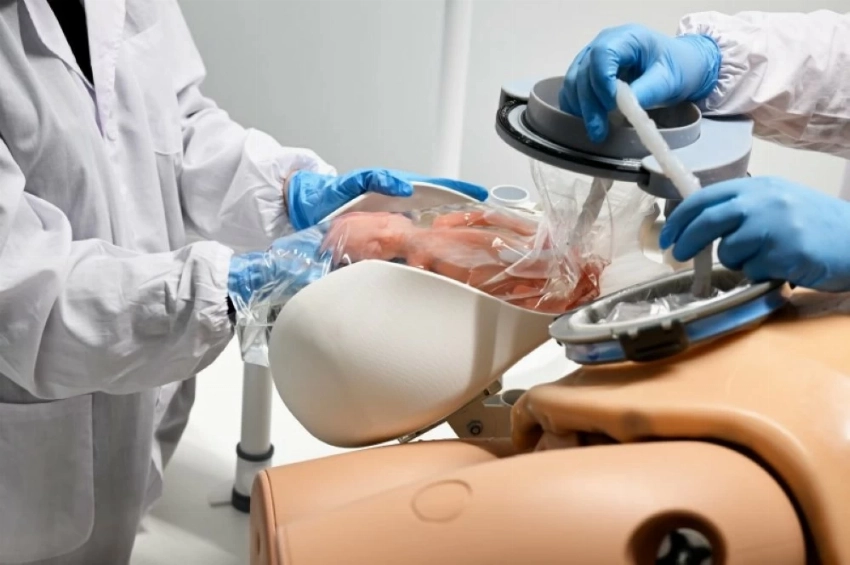
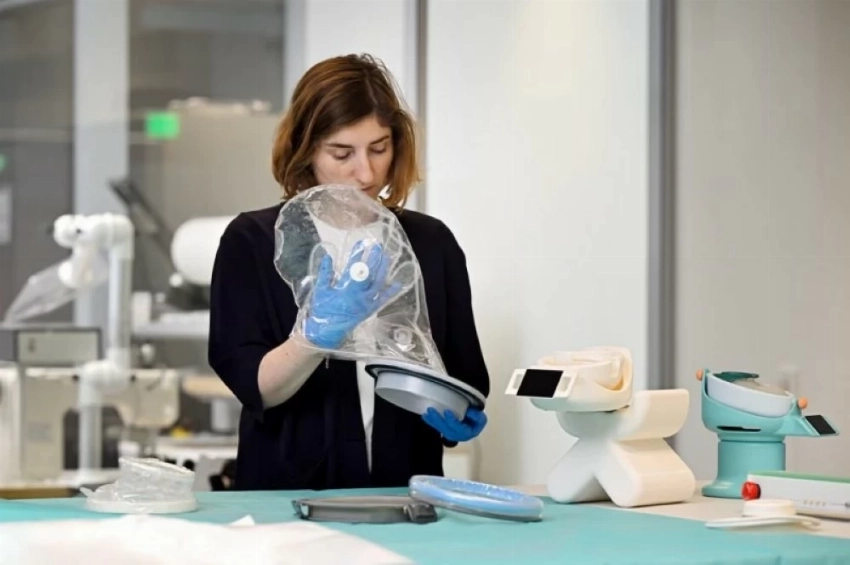
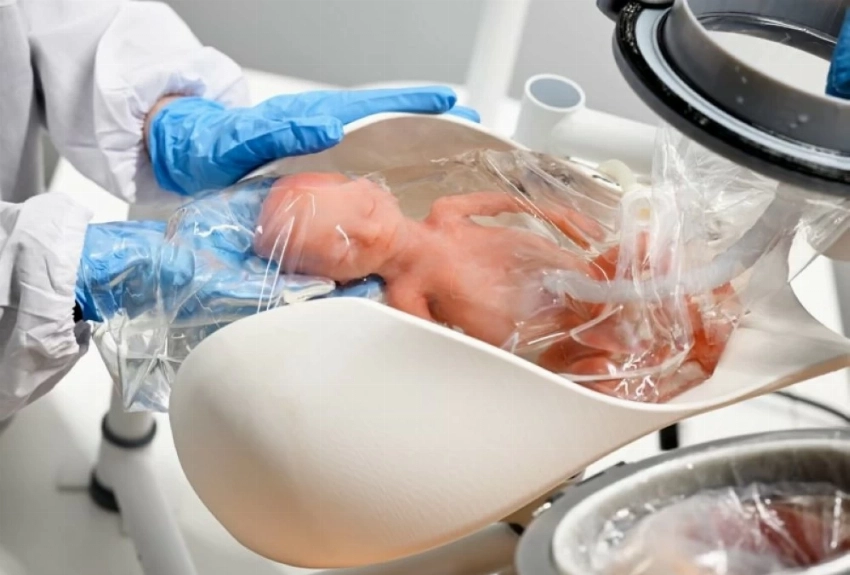
في مختبرات سرية حول العالم، يسابق علماء الزمن لاختراع «رحم اصطناعي» يمنح الأطفال الخدج الذين يولدون في الأسبوع 22 - 24 فرصة للبقاء على قيد الحياة، بعيدًا عن رحم الأم.
بحسب صحيفة «الغارديان» التكنولوجيا، التي نجحت مع حملان جنينية في أكياس مملوءة بسائل أمنيوسي صناعي، تقترب من التجارب البشرية الأولى، لكنها تثير تساؤلات عميقة حول تعريف الحياة، الأبوة، والحق في التدخل الطبي.
فقدان ابن في الأسبوع 23
بدأت قصة بيث شافر، مصممة جرافيك أمريكية تبلغ 39 عامًا، بمخاض مبكر في الأسبوع 23. ابنها، الذي لم يبكِ عند الولادة، كان صغيرًا بما يكفي ليُحمل في كف واحد، ورغم جهود الأطباء، لم تتمكن رئتاه الناميتان من التنفس، وتوفي بعد ساعات.
وتقول بيث، التي انضمت إلى مجموعة دعم لآباء فقدوا أطفالهم بسبب الخداج الشديد «كنت سأحرك الجبال من أجله».
وفي الولايات المتحدة، يولد أكثر من 10 آلاف طفل سنويًا في هذه المرحلة الحرجة، ويُعد الخداج السبب الثاني لوفيات الرضع، مع مضاعفات مدى الحياة للناجين مثل أمراض الرئة المزمنة أو الإعاقات العصبية.
الرحم الاصطناعي.. من حملان في أكياس إلى أمل بشري
في 2017، كشف مستشفى الأطفال في فيلادلفيا (CHOP) عن «كيس حيوي» نجح في إبقاء حملان جنينية حية لـ28 يومًا داخل كيس بلاستيكي مملوء بسائل، متصل بـ«مشيمة صناعية» توفر الأكسجين والمغذيات عبر الحبل السري.
الجهاز يحاكي الرحم: درجة حرارة 37.6 درجة مئوية، سائل يتدفق بانتظام، وحماية من الهواء الذي يُفعل الرئتين مبكرًا ويسبب ضررًا دائمًا.
وفي ألمانيا وهولندا، تعمل شركة AquaWomb على نسخة متقدمة: خزان زجاجي بحجم حوض أسماك، مع كيس داخلي يتمدد مع نمو الطفل (من حجم رمانة في الأسبوع 23 إلى باذنجان في 28)، ومنافذ للآباء للمس الطفل أو إرسال أصوات عبر «هاتف الرحم».
في سياق متصل، تقول ميرثي فان دير فين، الرئيسة التنفيذية: «نريد أن نكون الأفضل، لا الأوائل»، فالتحدي الأكبر: نقل الطفل من الرحم إلى الجهاز دون تعريضه للهواء، في عملية تستغرق دقيقتين فقط قبل تلف الدماغ.
وفي سبتمبر 2023، ناقشت إدارة الغذاء والدواء الأمريكية (FDA) تجارب بشرية أولية، لكنها رفضت التعليق على التوقيت.
الشركة المرخصة لتكنولوجيا CHOP جمعت أكثر من 125 مليون دولار، إشارة إلى اقتراب التجارب.
مرحلة جديدة في التطور البشري
تقول إليزابيث كلوي رومانيس، خبيرة القانون الطبي في جامعة دورهام: «هذا الجهاز يخلق مرحلة تطور بشري جديدة لم نصفها أو ننظمها سابقًا»، هل يُعتبر الطفل «مريضًا» أم «جنينًا»؟ من يقرر الاستمرار أو الإيقاف؟ وكيف يؤثر على رابطة الأمومة إذا شعرت الأم بأن جسدها «فشل»؟.
من الإنقاذ إلى «الزراعة الكاملة»
رغم أن الجهاز حاليًا للخدج الشديد فقط، يحذر البعض من «الإكتوجينيز الكامل» (الإنجاب خارج الرحم من الإخصاب إلى الولادة)، مما يثير مخاوف من استغلال تجاري أو سياسي.
ويرفض العلماء الربط بأفلام الخيال العلمي، لكن رومانيس تؤكد: «الخيال والواقع ليسا بعيدين عند التفكير في المشكلات المحتملة».
In secret laboratories around the world, scientists are racing against time to invent an "artificial womb" that gives premature babies born at 22-24 weeks a chance to survive, away from their mother's womb.
According to The Guardian, the technology, which has succeeded with fetal lambs in bags filled with artificial amniotic fluid, is nearing its first human trials, but it raises profound questions about the definition of life, parenthood, and the right to medical intervention.
Loss of a Son at 23 Weeks
The story of Beth Schaffer, a 39-year-old American graphic designer, began with early labor at 23 weeks. Her son, who did not cry at birth, was small enough to be held in one hand, and despite the doctors' efforts, his underdeveloped lungs could not breathe, and he died after a few hours.
Beth, who joined a support group for parents who lost children due to extreme prematurity, says, "I would have moved mountains for him."
In the United States, over 10,000 babies are born each year at this critical stage, and prematurity is the second leading cause of infant mortality, with lifelong complications for survivors such as chronic lung diseases or neurological disabilities.
The Artificial Womb: From Lambs in Bags to Human Hope
In 2017, the Children's Hospital of Philadelphia (CHOP) unveiled a "biobag" that successfully kept fetal lambs alive for 28 days inside a plastic bag filled with fluid, connected to an "artificial placenta" that provides oxygen and nutrients through the umbilical cord.
The device simulates the womb: a temperature of 37.6 degrees Celsius, fluid flowing regularly, and protection from air that activates the lungs prematurely and causes permanent damage.
In Germany and the Netherlands, AquaWomb is working on an advanced version: a glass tank the size of a fish tank, with an internal bag that expands as the baby grows (from the size of a pomegranate at 23 weeks to an eggplant at 28), and ports for parents to touch the baby or send sounds through a "womb phone."
In a related context, Merthy van der Veen, the CEO, says, "We want to be the best, not the first," as the biggest challenge is transferring the baby from the womb to the device without exposing it to air, in a process that takes only two minutes before brain damage occurs.
In September 2023, the U.S. Food and Drug Administration (FDA) discussed preliminary human trials but declined to comment on the timing.
The company licensed for the CHOP technology has raised over $125 million, signaling that trials are approaching.
A New Stage in Human Development
Elizabeth Chloe Romanis, a medical law expert at Durham University, states, "This device creates a new stage of human development that we have not previously described or regulated." Is the baby considered "sick" or "fetus"? Who decides to continue or stop? And how does it affect the maternal bond if the mother feels her body has "failed"?
From Rescue to "Full Gestation"
Although the device is currently for extreme preemies only, some warn against "full ectogenesis" (gestation outside the womb from fertilization to birth), raising concerns about commercial or political exploitation.
Scientists reject comparisons to science fiction films, but Romanis emphasizes, "Imagination and reality are not far apart when considering potential issues."