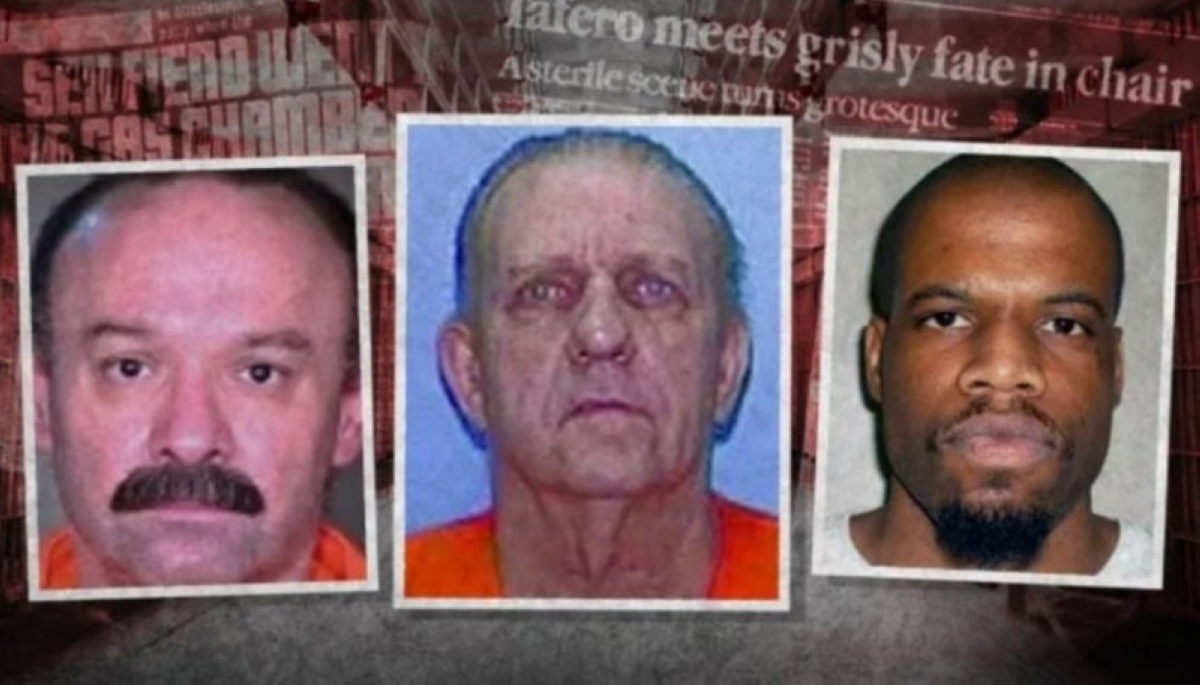
على مدار عقود، شهدت الولايات المتحدة الأمريكية سلسلة عمليات إعدام تحوّلت إلى كوارث مأساوية، بعدما فشلت الوسائل الحديثة التي يُروّج لها بأنها سريعة وغير مؤلمة، في تحقيق الهدف المرجو منها.
من القرن التاسع عشر حتى اليوم، أظهرت هذه الحوادث أن محاولة جعل الموت منظماً أو رحيماً غالباً ما تتحوّل إلى عذاب علني بطيء، يثير الصدمة والغضب العام.
في أوكلاهوما عام 2014، تحوّل إعدام كلايتون لوكيت المدان بخطف وقتل فتاة إلى فضيحة عندما فشل نظام الحقن المميتة الجديد. انزلقت الإبرة، وتسربت المواد المخدّرة إلى الأنسجة، ما أدى إلى صرخات لوكيت ومروره بـ 43 دقيقة من العذاب قبل وفاته بأزمة قلبية.
بعد عام واحد، حدث خطأ مشابه مع تشارلز وارنر في الولاية نفسها، إذ استُخدمت مادة خاطئة أدت إلى توقف الإعدام، وأُغلق جناح الإعدام مؤقتاً.
في أريزونا عام 2014، عانى جوزيف وود مما كان يُفترض أن تكون حقنة موت مدتها 10 دقائق، لكنه ظل واعياً ومتألماً لمدة ساعتين تقريباً، يتشنج وينهض ويشهق في أكثر من 600 نفس بينما يحاول الأطباء إنهاء حياته.
أما في فلوريدا 1990، فقد تحوّل الإعدام بالكهرباء لجيسي تافيرو إلى مشهد مروّع، عندما اشتعلت الشرارات وواجه احتراقاً جزئياً على الكرسي الكهربائي بسبب إسفنجة جافة، ليُكرر الفنيون الصدمة ثلاث مرات قبل وفاته.
وفي ميسيسيبي 1983، واجه جيمي لي غراي موتاً بطيئاً في غرفة الغاز، حيث استمر بالتشنج والضرب والصراخ قبل أن تتوقف أنفاسه، لتتخلى الولاية لاحقاً عن هذه الطريقة.
حتى عمليات الإعدام الحديثة لم تكن أفضل، ففي جنوب كارولاينا 2025، فشل إطلاق النار على ميكال دين مهدي في الوصول إلى القلب، ما جعله يتنفس ويتأوه لأكثر من دقيقة بعد تنفيذ الحكم.
وليس هذا كله حديث العهد، فالتاريخ الأمريكي يحتفظ بواقعة عام 1851، حين أُعدم جون مكافري شنقاً بشكل خاطئ، ليظل يتدلى ويتخبط أكثر من 20 دقيقة أمام المئات، ما أدى إلى غضب شعبي أدى إلى أن تلغي الولاية لاحقاً عقوبة الإعدام.
كل هذه الوقائع المروّعة تذكّر بأن القتل القانوني لا يمكن أن يكون دقيقاً أو رحيماً دائماً، وأن محاولة جعل الموت علمياً أو منظماً غالباً ما تتحول إلى مأساة علنية، تثير الصدمة والغضب لدى المجتمع.
For decades, the United States has witnessed a series of executions that have turned into tragic disasters, as modern methods promoted as quick and painless have failed to achieve their intended goals.
From the nineteenth century to today, these incidents have shown that attempts to make death orderly or merciful often turn into slow public agony, provoking shock and public outrage.
In Oklahoma in 2014, the execution of Clayton Lockett, convicted of kidnapping and murdering a girl, turned into a scandal when the new lethal injection system failed. The needle slipped, and the drugs leaked into the tissues, leading to Lockett's screams and 43 minutes of agony before he died of a heart attack.
A year later, a similar error occurred with Charles Warner in the same state, where the wrong substance was used, halting the execution, and the death chamber was temporarily closed.
In Arizona in 2014, Joseph Wood suffered what was supposed to be a 10-minute lethal injection, but he remained conscious and in pain for nearly two hours, convulsing, rising, and gasping for breath over 600 times while doctors tried to end his life.
In Florida in 1990, the electric chair execution of Jesse Tafero turned into a horrific scene when sparks ignited, and he suffered partial burns on the electric chair due to a dry sponge, prompting technicians to administer the shock three times before his death.
In Mississippi in 1983, Jimmy Lee Gray faced a slow death in the gas chamber, where he continued to convulse, hit, and scream before his breaths stopped, leading the state to later abandon this method.
Even modern executions have not been better; in South Carolina in 2025, the firing squad's attempt to execute Mikhal Dean Mahdi failed to hit the heart, causing him to breathe and moan for over a minute after the sentence was carried out.
This is not a recent phenomenon; American history holds the incident of 1851 when John McCaffrey was wrongfully hanged, hanging and thrashing for over 20 minutes in front of hundreds, which led to public outrage and the state later abolishing the death penalty.
All these horrific incidents remind us that legal killing cannot always be precise or merciful, and attempts to make death scientific or orderly often turn into public tragedies that provoke shock and anger in society.