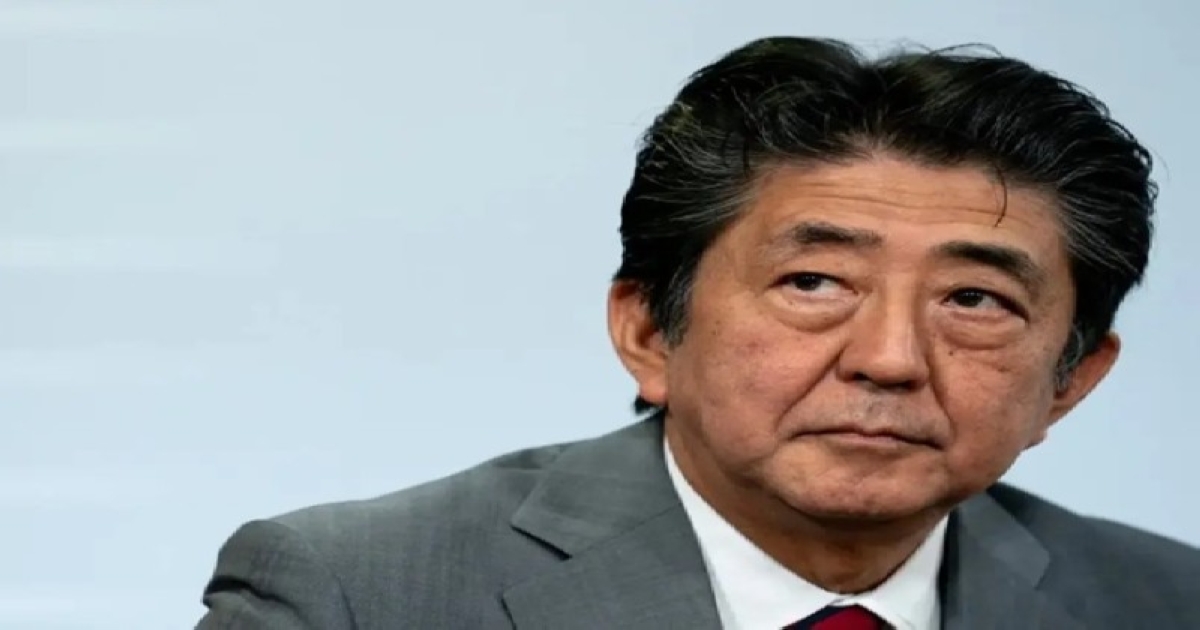
بدأت في اليابان اليوم (الثلاثاء) محاكمة المتهم باغتيال رئيس الوزراء السابق شينزو آبي، في واحدة من أكثر القضايا السياسية حساسية في تاريخ البلاد الحديث، إذ تزامن افتتاح الجلسات مع زيارة الرئيس الأمريكي دونالد ترمب لطوكيو لإجراء مباحثات مع رئيسة الوزراء الجديدة سناي تاكاشي.
ومثل أمام المحكمة المتهم تيتسوبا ياماجامي، البالغ من العمر 45 عامًا، والذي اعترف بإطلاق النار على شينزو آبي خلال خطاب انتخابي في مدينة نارا عام 2022، ما أثار حينها صدمة داخل اليابان والعالم.
وبرر ياماجامي جريمته أمام القضاة بأنها كانت «بدافع الكراهية» تجاه كنيسة التوحيد، المعروفة في اليابان باسم الكنيسة الموحدة، زاعمًا أن التبرعات الضخمة التي قدمتها والدته للكنيسة بعد الحرب الكورية عام 1953 تسببت في إفلاس أسرته، وأنه كان يرى في آبي رمزًا للعلاقات الوثيقة بين الكنيسة والسياسيين.
وأكد المتهم خلال الجلسة الأولى أنه لم يقصد قتل آبي لشخصه، بل كان يريد «إرسال رسالة ضد المؤسسة التي دمّرت عائلته»، وفق ما نقلته وكالة الأنباء اليابانية كيودو، التي أشارت إلى أن جلسات المحاكمة ستستمر حتى منتصف ديسمبر المقبل قبل النطق بالحكم النهائي.
وتحظى القضية بمتابعة إعلامية مكثفة داخل اليابان وخارجها، نظرًا لمكانة شينزو آبي كأطول رئيس وزراء بقاءً في الحكم بتاريخ البلاد، وتأثير اغتياله على المشهد السياسي الياباني والعلاقات بين الحكومة والمنظمات الدينية المثيرة للجدل.
The trial of the accused in the assassination of former Prime Minister Shinzo Abe began today (Tuesday) in Japan, in one of the most sensitive political cases in the country's modern history, as the opening of the sessions coincided with U.S. President Donald Trump's visit to Tokyo for talks with the new Prime Minister, Sanna Takashi.
The accused, Tetsuba Yamagami, 45 years old, appeared before the court and admitted to shooting Shinzo Abe during an election speech in Nara City in 2022, which shocked Japan and the world at the time.
Yamagami justified his crime before the judges as being "motivated by hatred" towards the Unification Church, known in Japan as the Unification Church, claiming that the large donations his mother made to the church after the Korean War in 1953 led to his family's bankruptcy, and that he saw Abe as a symbol of the close ties between the church and politicians.
During the first session, the accused confirmed that he did not intend to kill Abe personally, but wanted to "send a message against the institution that destroyed his family," according to the Japanese news agency Kyodo, which noted that the trial sessions will continue until mid-December before the final verdict is announced.
The case is receiving extensive media coverage both in Japan and abroad, given Shinzo Abe's status as the longest-serving Prime Minister in the country's history and the impact of his assassination on the Japanese political scene and the relationships between the government and controversial religious organizations.