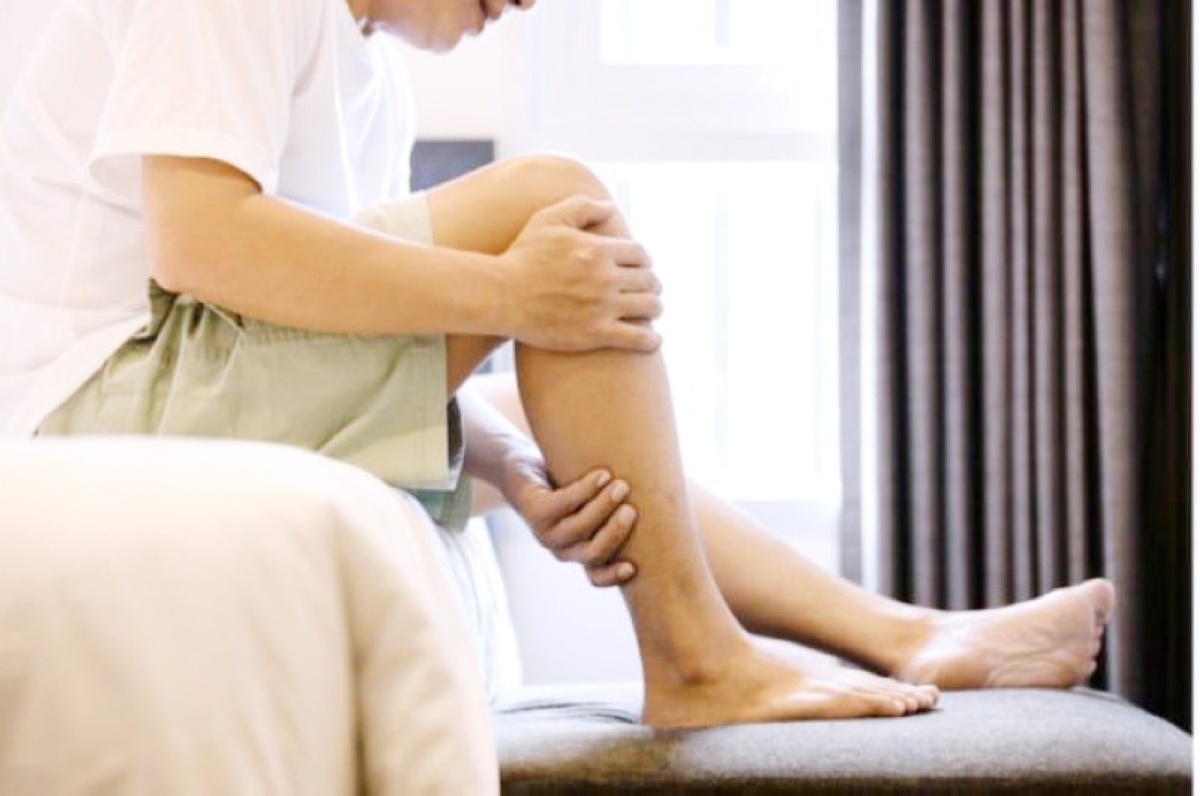
حذّرت الطبيبة البريطانية فيليبا كاي، من تجاهل تورّم الساقين في المساء، مشيرةً إلى أنه رغم كون التعب بعد يوم طويل أمراً طبيعياً، فإنّ ملاحظة انتفاخٍ وألمٍ واضحين تكشف مشكلة أعمق تتجاوز الإرهاق العادي. وأوضحت كاي، في حديثٍ لصحيفة «ديلي ميل»، أن السبب الأكثر شيوعاً لتورم الساقين هو الوذمة، أي تراكم السوائل تحت الجلد، حيث تميل إلى التجمع في القدمين والكاحلين بفعل الجاذبية الأرضية.
وبيّنت الطبيبة كاي، أن هذا التورم يحدث بسبب الوقوف أو الجلوس لفتراتٍ طويلة، ويزداد شيوعاً في الأجواء الحارة، وأثناء الحمل، أو لدى من يعانون من زيادة الوزن، كما يمكن أن ينتج عن بعض أدوية ارتفاع ضغط الدم. وأشارت إلى أن من الأسباب الشائعة الأخرى الدوالي، وهي حالة تتعطل فيها الصمامات الدقيقة داخل الأوردة، ما يؤدي إلى تجمع الدم وانتفاخ الأوردة والتوائها، مسبباً ثقلاً وحكة وتغيراً في لون الجلد.
وفي بعض الحالات النادرة، حذّرت الطبيبة كاي، من احتمال ارتباط التورم بمرض الشرايين الطرفية، الناتج عن تراكم الدهون في الأوعية الدموية، ما يقلل تدفق الدم إلى الساقين ويتسبب بألم عند المشي وشحوبٍ في الجلد، وقد تتطور الحالة إلى قرحٍ في المراحل المتقدمة. وتزداد احتمالية الإصابة بهذا المرض لدى المدخنين والمصابين بالسكري أو السمنة أو ارتفاع الكوليسترول.
وأضافت، أن الارتعاش العضلي، أو ما يُعرف بـ«الارتعاش الحزمي»، يُعدّ ظاهرة شائعة بعد الإجهاد أو الجفاف، وغالباً ما يزول بالراحة وتناول السوائل، مشددةً على أهمية مراجعة الطبيب عند استمرار التورم أو تكراره.
British doctor Philippa Kay warned against ignoring swelling in the legs in the evening, noting that while fatigue after a long day is natural, noticeable swelling and pain indicate a deeper problem beyond ordinary exhaustion. Kay explained in an interview with the "Daily Mail" that the most common cause of leg swelling is edema, which is the accumulation of fluid under the skin, where it tends to gather in the feet and ankles due to gravity.
Dr. Kay indicated that this swelling occurs due to standing or sitting for long periods, becoming more common in hot weather, during pregnancy, or in those who are overweight, and it can also result from some high blood pressure medications. She pointed out that other common causes include varicose veins, a condition where the tiny valves inside the veins malfunction, leading to blood pooling, swollen and twisted veins, causing heaviness, itching, and changes in skin color.
In some rare cases, Dr. Kay warned that the swelling could be related to peripheral artery disease, which results from the buildup of fat in the blood vessels, reducing blood flow to the legs and causing pain when walking and paleness in the skin. The likelihood of developing this condition increases among smokers and those with diabetes, obesity, or high cholesterol.
She added that muscle twitching, or what is known as "fasciculation," is a common phenomenon after stress or dehydration, often resolving with rest and fluid intake, emphasizing the importance of consulting a doctor if swelling persists or recurs.