


في مشهد الشعر الشعبي، حيث تتقاطع الأصوات بين الحماسة والعاطفة، يقف الشاعر الدكتور عبدالواحد الزهراني، بوصفه حالة فريدة لا تتكرر، لا بين أبناء منطقته الباحة فحسب، بل على امتداد المملكة بأكملها.
فهو الشاعر الذي لم يكتفِ بأن ينظم القصيدة ويرتجلها، بل أنسنها، وحرّرها من ضجيج المديح اللحظي والبدع والرد، إلى عمق التجربة الإنسانية والمعنى.
قصائده ليست مجرّد عرضة تتردّد في الميادين، بل مرآة لوجدان الناس، ونافذة يطلّ منها الوطن على ذاته.
عبدالواحد الزهراني هو الامتداد الأصيل لمدرسة شعرية ورثها من والده – رحمه الله – أحد كبار شعراء العرضة، فحمل الراية بوعي العارف، وموهبة المتقن، وجرأة المبدع الذي يعي أن الشعر الشعبي ليس مجرد تراث صوتي، بل خطاب وطني وثقافي واجتماعي يعيد رسم صورة الإنسان في لحظاته البسيطة والعميقة على السواء. في قصائده جرعات من العاطفة، وومضات من الحكمة، ولمحات من نقد اجتماعي راقٍ، تجعله شاعر الإنسان قبل أن يكون شاعر الميدان.
ولأن الموهبة الحقيقية لا تبهت، ظل عبدالواحد – رغم اعتزاله – نجماً في ذاكرة الجمهور، وسفيراً للعرضة الجنوبية ولو بوجوده.
وحين عاد أخيراً للظهور في إحدى المشاركات الإعلانية ذات الطابع الوطني، بدا كما كان دوماً: الصوت الذي يحمل الوطن في حنجرته، والنغمة التي تُعيد التوازن بين الشعر والرسالة.
تكريمه الأخير في حفل «الباحة» وحضوره الكبير، لم يكن مجرد احتفاء باسم، بل احتفاء برمز. فهو يُكرَّم اليوم لا بصفته شاعراً فحسب، بل بصفته «رمز العرضة السعودية»، وسفيرها الأثير على مستوى المملكة والخليج، جمع بين الشعر والثقافة، وبين الأدب والاتصال، تعزز شخصيته كاريزما الحضور الرصين، ومعرفته بمتى يكون الشعر رسالة، ومتى يكون موقفاً.
إن عبدالواحد ليس مجرد شاعر في سجل الشعر الشعبي، بل تجربة إنسانية اتصالية، استطاعت أن توازن بين جمالية اللغة، وصدق الانتماء، وعمق التأثير.
#بروفايل
عبدالواحد الزهراني.. أنسن العرضة وأصغى للإنسان
14 أكتوبر 2025 - 01:06
|
آخر تحديث 14 أكتوبر 2025 - 01:06
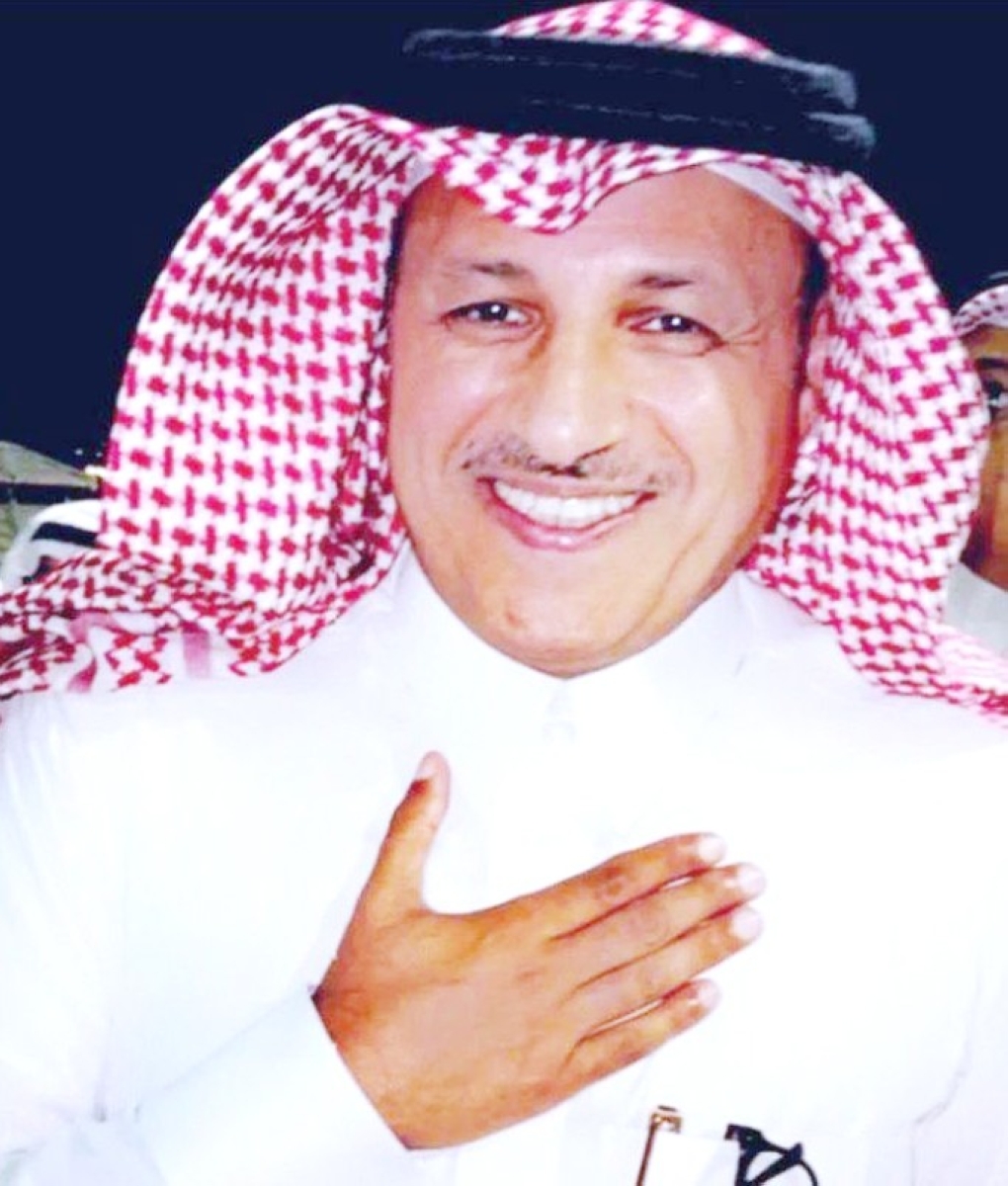
عبدالواحد الزهراني


تابع قناة عكاظ على الواتساب
خالد الجارالله kjarallah@
In the scene of popular poetry, where voices intersect between enthusiasm and emotion, stands the poet Dr. Abdulwahid Al-Zahrani, as a unique case that does not repeat, not only among the people of his region, Al-Baha, but throughout the entire Kingdom.
He is the poet who did not settle for merely composing and improvising poetry; he humanized it, liberating it from the noise of momentary praise, embellishments, and responses, to the depth of human experience and meaning.
His poems are not just verses recited in the squares, but a mirror reflecting the sentiments of the people, and a window through which the homeland gazes upon itself.
Abdulwahid Al-Zahrani is the authentic extension of a poetic school inherited from his father – may he rest in peace – one of the great poets of the traditional performance, carrying the banner with the awareness of the knowledgeable, the talent of the skilled, and the boldness of the creator who understands that popular poetry is not merely an auditory heritage, but a national, cultural, and social discourse that redefines the image of humanity in both its simple and profound moments. In his poems, there are doses of emotion, flashes of wisdom, and glimpses of refined social critique, making him the poet of humanity before being the poet of the field.
And because true talent does not fade, Abdulwahid – despite his retirement – remained a star in the memory of the audience, and an ambassador of the southern traditional performance even in his absence.
When he finally returned to appear in a national-themed advertising participation, he seemed as he always was: the voice that carries the homeland in his throat, and the tone that restores balance between poetry and message.
His recent honoring at the "Al-Baha" ceremony and his significant presence was not merely a celebration of a name, but a celebration of a symbol. He is being honored today not just as a poet, but as "the symbol of Saudi traditional performance," and its beloved ambassador at the level of the Kingdom and the Gulf, bridging poetry and culture, and literature and communication, enhancing his personality as a charismatic presence, and his understanding of when poetry is a message and when it is a stance.
Abdulwahid is not just a poet in the record of popular poetry, but a communicative human experience that has managed to balance the beauty of language, the sincerity of belonging, and the depth of impact.
He is the poet who did not settle for merely composing and improvising poetry; he humanized it, liberating it from the noise of momentary praise, embellishments, and responses, to the depth of human experience and meaning.
His poems are not just verses recited in the squares, but a mirror reflecting the sentiments of the people, and a window through which the homeland gazes upon itself.
Abdulwahid Al-Zahrani is the authentic extension of a poetic school inherited from his father – may he rest in peace – one of the great poets of the traditional performance, carrying the banner with the awareness of the knowledgeable, the talent of the skilled, and the boldness of the creator who understands that popular poetry is not merely an auditory heritage, but a national, cultural, and social discourse that redefines the image of humanity in both its simple and profound moments. In his poems, there are doses of emotion, flashes of wisdom, and glimpses of refined social critique, making him the poet of humanity before being the poet of the field.
And because true talent does not fade, Abdulwahid – despite his retirement – remained a star in the memory of the audience, and an ambassador of the southern traditional performance even in his absence.
When he finally returned to appear in a national-themed advertising participation, he seemed as he always was: the voice that carries the homeland in his throat, and the tone that restores balance between poetry and message.
His recent honoring at the "Al-Baha" ceremony and his significant presence was not merely a celebration of a name, but a celebration of a symbol. He is being honored today not just as a poet, but as "the symbol of Saudi traditional performance," and its beloved ambassador at the level of the Kingdom and the Gulf, bridging poetry and culture, and literature and communication, enhancing his personality as a charismatic presence, and his understanding of when poetry is a message and when it is a stance.
Abdulwahid is not just a poet in the record of popular poetry, but a communicative human experience that has managed to balance the beauty of language, the sincerity of belonging, and the depth of impact.


