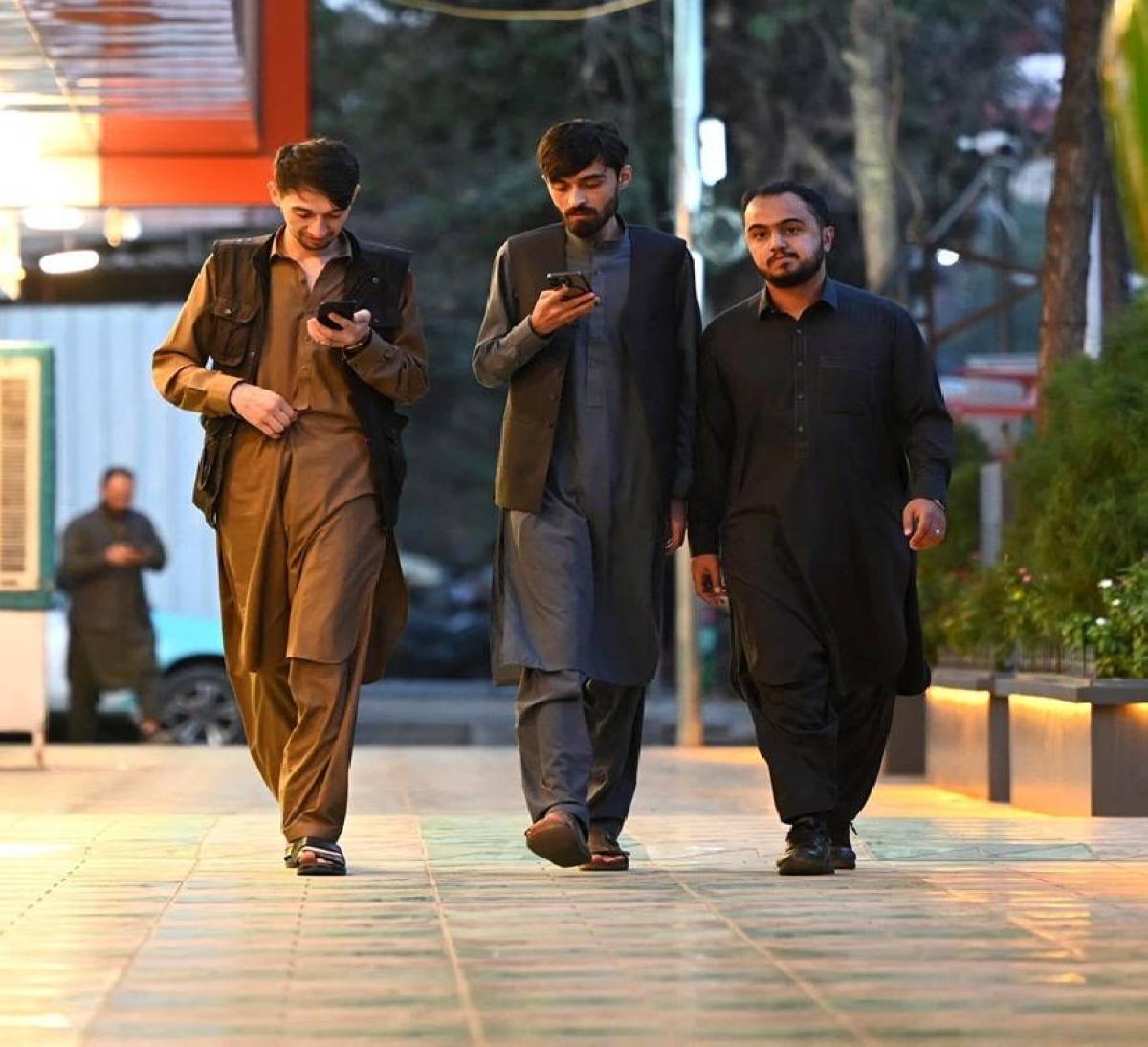
في خطوة مفاجئة، فرضت حركة طالبان إغلاقا تاما للإنترنت وخدمات الهاتف المحمول في عموم أفغانستان، دام يومين كاملين. الإجراء الذي جاء دون سابق إنذار تسبب في شلل شبه كامل للمؤسسات الحيوية، وأثار مخاوف عميقة بين السكان من عودة عهد العزلة التامة.
عزل رقمي خانق
خلال الانقطاع، توقفت المطارات، وأغلقت البنوك، وترك الموظفون الحكوميون دون مهمات. في الوقت ذاته، خسر ملايين الأفغان وسيلتهم الوحيدة للتواصل مع العالم الخارجي. وبالنسبة للشباب والنساء، خصوصا الفتيات الممنوعات من التعليم النظامي، كان الإنترنت شريان حياة انقطع فجأة.
طلاب وطالبات في الظلام
«مهسا» فتاة تبلغ من العمر 19 عاما، كانت تتلقى دروسا عبر الإنترنت ضمن برنامج تعليمي أمريكي، عندما انقطع الاتصال. بالنسبة لها ولآلاف غيرها، التعليم الرقمي لم يكن مجرد خيار، بل السبيل الوحيد للتعلم في ظل الحظر المفروض على تعليم الفتيات بعد الصف السادس.
قيود مستمرة بعد العودة
رغم عودة الخدمة لاحقا، لم تعد كما كانت؛ إذ سرعان ما فرضت الحكومة قيودا على التطبيقات مثل فيسبوك وإنستغرام، وسط تقارير عن منع نشر «المحتوى غير الأخلاقي»، في إشارة إلى توجه أكثر صرامة في مراقبة الفضاء الرقمي.
أوامر من أعلى هرم السلطة
بحسب تقارير أفغانية، جاء هذا القرار مباشرة من قائد طالبان الأعلى هبة الله أخوند زاده، الذي يرى في الإنترنت مصدرا للفساد الأخلاقي. ويربط التحليل الدولي الخطوة بتوجهات طالبان المتشددة للسيطرة على المعلومات ومنع أي رواية تختلف عن خطابهم الرسمي.
قلق داخلي وصمت رسمي
حتى اللحظة، لم يصدر أي تعليق رسمي من الحكومة بشأن أسباب الإغلاق أو مستقبله. لكن حالة الترقب والقلق تسود الشارع الأفغاني، خصوصا أن التجربة الأخيرة أعادت للأذهان ذكريات «الحقبة السوداء» من حكم طالبان في التسعينات.
In a surprising move, the Taliban imposed a complete shutdown of the internet and mobile phone services across Afghanistan, lasting for two full days. The action, which came without prior warning, caused a near-total paralysis of vital institutions and raised deep concerns among the population about a return to an era of total isolation.
Suffocating Digital Isolation
During the outage, airports halted operations, banks closed, and government employees were left without tasks. At the same time, millions of Afghans lost their only means of communication with the outside world. For young people and women, especially girls who are banned from formal education, the internet was a lifeline that was suddenly cut off.
Students in the Dark
“Mahsa,” a 19-year-old girl, was taking online classes as part of an American educational program when the connection was lost. For her and thousands of others, digital education was not just an option, but the only way to learn under the ban on girls' education after the sixth grade.
Ongoing Restrictions After the Return
Although services were later restored, they were not the same; the government quickly imposed restrictions on applications like Facebook and Instagram, amid reports of banning the publication of “immoral content,” indicating a stricter approach to monitoring the digital space.
Orders from the Highest Echelons of Power
According to Afghan reports, this decision came directly from the Taliban's supreme leader, Hibatullah Akhundzada, who views the internet as a source of moral corruption. International analysis links this step to the Taliban's hardline tendencies to control information and prevent any narrative that differs from their official discourse.
Internal Concerns and Official Silence
So far, there has been no official comment from the government regarding the reasons for the shutdown or its future. However, a sense of anticipation and anxiety prevails in Afghan streets, especially as the recent experience has brought back memories of the “dark era” of Taliban rule in the 1990s.