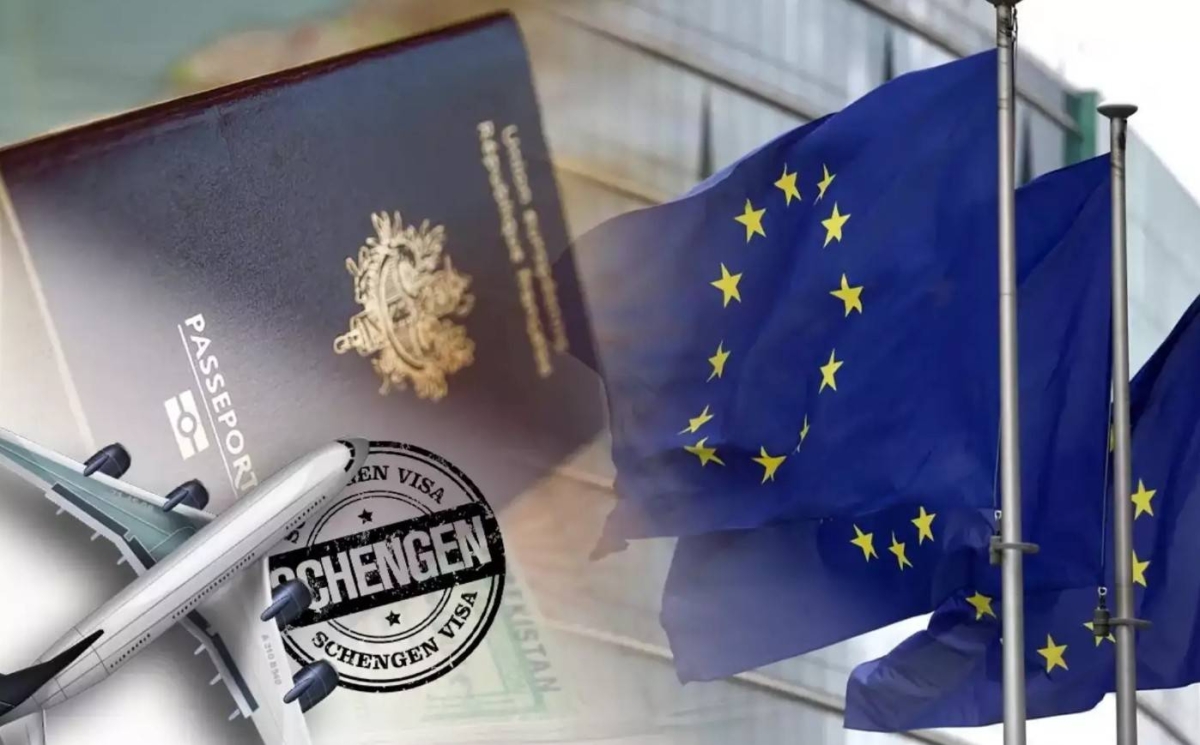
تستعد المنطقة الاقتصادية والأمنية الأوروبية، لبدء تطبيق أحد أهم الأنظمة التكنولوجية في مجال السفر والحدود، إذ يدخل نظام الدخول والخروج الأوروبي الجديد (EES) حيز التنفيذ في 12 أكتوبر 2025م، ليشكل تحولاً جذرياً في طريقة دخول وخروج المسافرين من خارج الاتحاد الأوروبي إلى دول منطقة شنغن.
ويهدف النظام؛ إلى تسريع إجراءات العبور وتعزيز الأمان، مع الاستغناء التدريجي عن الأختام اليدوية على جوازات السفر.
ويشمل النظام الجديد في 25 دولة من أصل 27 دولة في الاتحاد الأوروبي إضافة إلى سويسرا والنرويج وليختنشتاين وآيسلندا، وسيعمل على تسجيل دخول وخروج الزوار غير الأوروبيين رقمياً عند كل معبر حدودي، بينما ستواصل إيرلندا وقبرص استخدام طرق التفتيش اليدوية التقليدية في الوقت الحالي، كما أن النظام لا يشمل دولاً أوروبية أخرى مثل: المملكة المتحدة وتركيا وصربيا وألبانيا.
ووفقاً للوائح النظام الجديد، لن يُطلب من المسافرين القيام بأي تسجيل مسبق، إذ سيتم جمع البيانات البيومترية عند أول دخول لهم إلى منطقة شنغن بعد تفعيل النظام، وتشمل هذه البيانات بصمات 4 أصابع وصورة وجه رقمية، على أن تُستخدم لاحقاً لتسهيل عمليات الدخول والخروج عبر بوابات إلكترونية وسيجري تطبيق النظام تدريجياً خلال 6 أشهر ليصبح سارياً بالكامل اعتباراً من 10 أبريل 2026م، وسيتم الاحتفاظ بالبيانات البيومترية وفق معايير اللائحة العامة لحماية البيانات في الاتحاد الأوروبي (GDPR).
ويهدف نظام الدخول والخروج (EES)؛ إلى استبدال الأختام اليدوية بجوازات السفر بنظام رقمي متكامل، مما يسهل مراقبة المدد القانونية للإقامة ويمنع تجاوز المدة المسموح بها للمسافرين من دون تأشيرة، إضافة إلى تعزيز أمن الحدود من خلال تتبع الدخول والخروج بدقة أكبر ومنع استخدام الهويات المزيفة أو إساءة استغلال أنظمة الإعفاء من التأشيرة.
ويأتي هذا النظام، تمهيداً لإطلاق مشروع أوسع وهو نظام معلومات السفر والترخيص الأوروبي (ETIAS)، الذي يتوقع دخوله حيز التنفيذ في الربع الأخير من عام 2026م، بعد تأجيلات عدة منذ كان مقرراً إطلاقه عام 2020م.
The European Economic and Security Area is preparing to implement one of the most important technological systems in the field of travel and borders, as the new European Entry/Exit System (EES) will come into effect on October 12, 2025, marking a radical shift in the way travelers from outside the European Union enter and exit Schengen Area countries.
The system aims to expedite transit procedures and enhance security, gradually phasing out manual stamps on passports.
The new system will include 25 out of 27 EU countries, in addition to Switzerland, Norway, Liechtenstein, and Iceland. It will digitally record the entry and exit of non-European visitors at every border crossing, while Ireland and Cyprus will continue to use traditional manual inspection methods for the time being. The system does not include other European countries such as the United Kingdom, Turkey, Serbia, and Albania.
According to the regulations of the new system, travelers will not be required to do any prior registration, as biometric data will be collected upon their first entry into the Schengen Area after the system is activated. This data includes fingerprints from four fingers and a digital facial image, which will later be used to facilitate entry and exit processes through electronic gates. The system will be implemented gradually over six months to be fully operational by April 10, 2026, and biometric data will be retained in accordance with the General Data Protection Regulation (GDPR) of the European Union.
The Entry/Exit System (EES) aims to replace manual passport stamps with a comprehensive digital system, thereby facilitating the monitoring of legal residence periods and preventing overstays for visa-free travelers, in addition to enhancing border security by accurately tracking entries and exits and preventing the use of fake identities or the abuse of visa waiver systems.
This system comes in preparation for the launch of a broader project, the European Travel Information and Authorization System (ETIAS), which is expected to come into effect in the last quarter of 2026, after several delays since it was initially scheduled for launch in 2020.