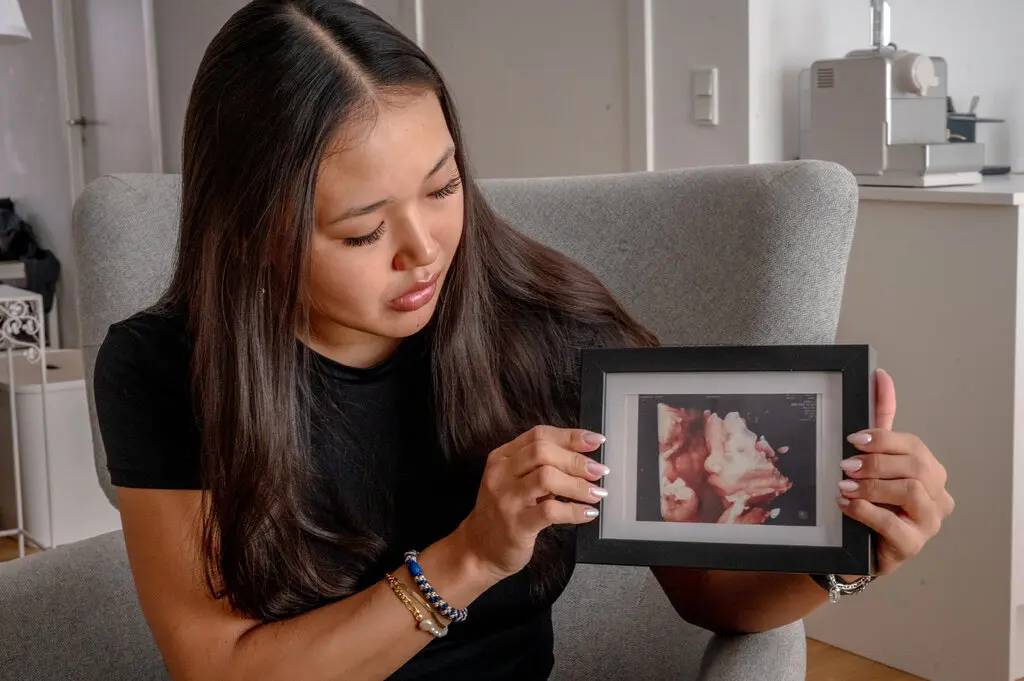
استعادت الشابة الغرينلاندية إيفانا برونلوند طفلها بعد أشهر من المعاناة القانونية، بعدما كان قد تم أخذ الرضيعة منها بعد ساعة واحدة فقط من ولادتها في بلدة صغيرة خارج كوبنهاغن، نتيجة تقييم معقد لولي الأمر أقرّت السلطات لاحقًا بأنه كان مُعيبًا وغير دقيق.
وأصدرت اللجنة الوطنية للاستئناف في الدنمارك أمس (الإثنين) قرارًا بإلغاء الحكم المحلي، ما فتح الباب أمام إعادة لم شمل الأم وابنتها التي أطلقت عليها اسم آفياجا لونا.
خلفية القضية
وُلدت الطفلة في 11 أغسطس، وسرعان ما قامت السلطات المحلية بوضعها في دار رعاية، بحجة أن والدتها “غير قادرة على ضمان رفاهية وتطور الطفل، وأنها بحاجة إلى دعم نفسي واجتماعي مكثف، وهو ما اعتبرته العائلة قرارًا ظالمًا ومبنيًا على سوابق مؤلمة تعرضت لها الأم في طفولتها.
وقد خضعت إيفانا لتقييم شامل احتوى على مقابلات مع خبراء نفسيين واجتماعيين، بالإضافة إلى اختبارات قياسية تقيس القدرة العقلية والرياضية، والتي لم تعكس كفاءتها الحقيقية، ما أثار انتقادات بشأن تحيز الاختبارات ضد الغرينلانديين المقيمين في الدنمارك.
ردود الفعل والتداعيات
شهدت القضية احتجاجات صغيرة في الدنمارك، واحتفل ناشطون بحقوق السكان الأصليين بانتصار الأم. وقالت نائب رئيس منظمة Sila 360 نايانغقواك هيجيلوند: «سعداء لإيفانا وعائلتها، لكن هناك العديد من الحالات الأخرى التي تعاني من نفس الخلل في النظام».
وفي خطوة تهدف إلى معالجة التمييز التاريخي، أعلنت الحكومة الدنماركية أن أي تقييم مستقبلي للأسر الغرينلاندية سيكون مراعيًا للثقافة المحلية ويطبق معايير أكثر حساسية.
أبعاد سياسية وثقافية
أضافت القضية توترًا إضافيًا للعلاقات بين الدنمارك وغرينلاند، خصوصا في ظل تصريحات الرئيس الأمريكي دونالد ترمب بشأن رغباته في ضم الجزيرة. ويُقدّر عدد الغرينلانديين المقيمين في الدنمارك بنحو 15 ألف شخص، وقد حثت السلطات على التعامل مع هذه المجموعة بعناية أكبر لتفادي التمييز والظلم.
وحتى الآن، لم تُحدد تفاصيل موعد لمّ شمل الأم وابنتها رسميًا، لكن من المتوقع أن يتم تنفيذه قريبًا بعد تعليمات اللجنة الاستئنافية للسلطات المحلية.
The young Greenlandic woman Ivana Brunlund has regained custody of her child after months of legal struggles, after the infant was taken from her just one hour after her birth in a small town outside Copenhagen, due to a complex assessment of the guardian that authorities later acknowledged was flawed and inaccurate.
Yesterday (Monday), the National Appeals Board in Denmark issued a decision to overturn the local ruling, opening the door for the reunion of the mother and her daughter, whom she named Aviaja Luna.
Background of the Case
The child was born on August 11, and local authorities quickly placed her in a care home, claiming that her mother was “unable to ensure the child's well-being and development, and that she needed intensive psychological and social support,” which the family considered an unjust decision based on painful precedents the mother faced in her childhood.
Ivana underwent a comprehensive assessment that included interviews with psychological and social experts, as well as standardized tests measuring cognitive and athletic abilities, which did not reflect her true competence, raising criticisms about the bias of the tests against Greenlanders residing in Denmark.
Reactions and Implications
The case has seen small protests in Denmark, and indigenous rights activists celebrated the mother’s victory. Nayangquak Hegilund, Vice President of the Sila 360 organization, said: “We are happy for Ivana and her family, but there are many other cases suffering from the same systemic flaws.”
In a move aimed at addressing historical discrimination, the Danish government announced that any future assessments of Greenlandic families will be culturally sensitive and apply more considerate standards.
Political and Cultural Dimensions
The case has added further tension to the relations between Denmark and Greenland, especially in light of former U.S. President Donald Trump's statements regarding his desires to annex the island. The number of Greenlanders residing in Denmark is estimated to be around 15,000, and authorities have been urged to handle this group with greater care to avoid discrimination and injustice.
So far, no official details have been set regarding the timing of the reunion between the mother and her daughter, but it is expected to take place soon following the appeals board's instructions to local authorities.