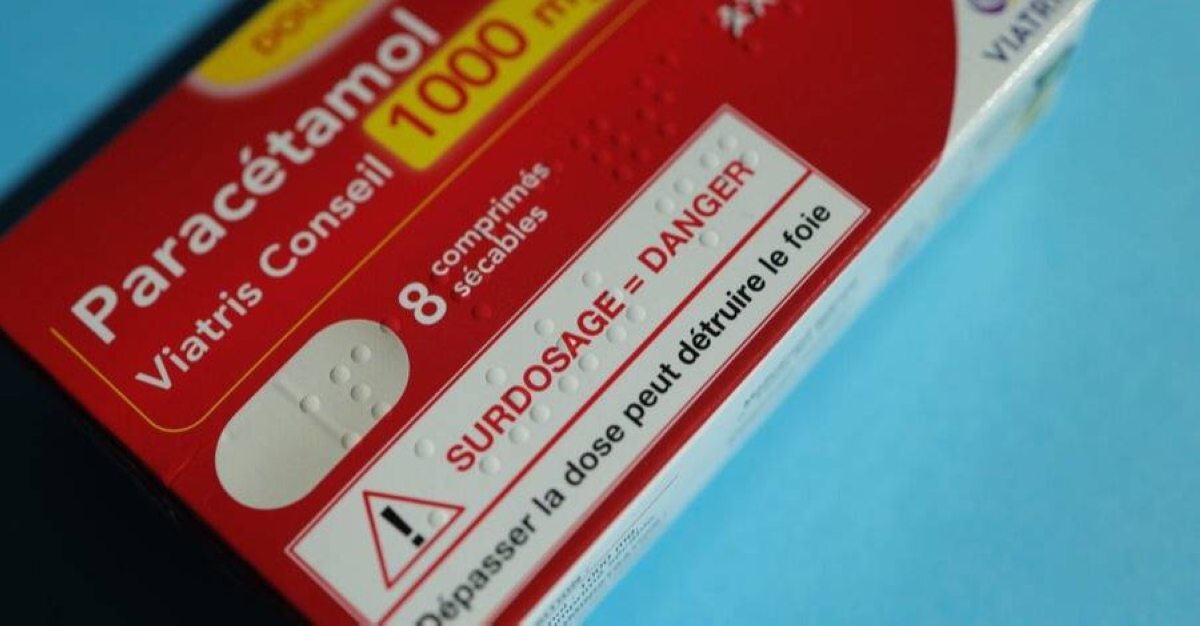
أثار الرئيس الأمريكي دونالد ترمب صدمة في الأوساط العلمية والطبية العالمية بعد إعلانه اليوم، في المكتب البيضاوي عن ربط استخدام الباراسيتامول، (المعروف باسم تايلينول في الولايات المتحدة) أثناء الحمل، بزيادة خطر الإصابة بالتوحد لدى الأطفال، محذراً النساء الحوامل من تناوله إلا في حالات الحمى الشديدة فقط.
خطوة جريئة
ويعد الإعلان، الذي شارك فيه وزير الصحة الأمريكي روبرت كينيدي جونيور، خطوة جريئة من إدارة ترمب لمعالجة ما وصفه بـ«وباء التوحد»، لكنه أثار جدلاً واسعاً بين الخبراء الذين يرونه «مبالغاً فيه» وغير مدعوم بأدلة قاطعة، مع مخاوف من تأثيره على صحة الأمهات.
وقال ترمب في الإعلان الرسمي: «وجدنا إجابة على التوحد، وهي خطيرة جداً، الباراسيتامول ليس جيداً أثناء الحمل، ويجب أن تستخدمه الحوامل فقط في حالات الحمى الشديدة»، كما أضاف كينيدي، الذي يُعرف بموقفه المنتقد للقاحات والسموم البيئية «سنصدر إشعاراً للأطباء من خلال إدارة الغذاء والدواء حول المخاطر المحتملة».
علاج محتمل للتوحد
وجاء الإعلان بعد اجتماعات مع مسؤولي الصحة، ويُتوقع أن يشمل أيضاً ترويجاً لدواء «ليوكوفورين» كعلاج محتمل للتوحد، ما يُعزز من حملة ترمب لـ«حماية الأطفال من السموم البيئية» وسرعان ما انتشر الخبر على وسائل التواصل، ما أثار آلاف التعليقات من أمهات قلقات وانتقاد منظمات طبية وصفته بـ «التسرع العلمي».
ويعد الباراسيتامول، أحد أكثر الأدوية شيوعاً لتخفيف الألم والحمى، يُوصى به عالمياً كخيار آمن للحوامل من قبل منظمات مثل الكلية الأمريكية لأطباء النساء والتوليد والكلية الملكية البريطانية لأطباء النساء والتوليد، حيث يُعتبر البديلاً الوحيد الآمن مقارنة بمضادات الالتهاب غير الستيرويدية مثل الإيبوبروفين التي ترتبط بمخاطر الإجهاض وعيوب الولادة.
ومع ذلك، أثارت دراسات حديثة جدلاً، حيث نشرت مراجعة في مجلة «BMC Environmental Health» في أغسطس الماضي، بقيادة عميد كلية هارفارد للصحة العامة أندريا باكاريلي، ربطاً بين استخدامه أثناء الحمل وزيادة خطر التوحد بنسبة تصل إلى 20%، مشيرة إلى تأثيره على التطور العصبي للجنين.
U.S. President Donald Trump caused shock in global scientific and medical circles after announcing today in the Oval Office a link between the use of paracetamol (known as Tylenol in the United States) during pregnancy and an increased risk of autism in children, warning pregnant women to take it only in cases of severe fever.
Bold Step
The announcement, which involved U.S. Health Secretary Robert Kennedy Jr., is a bold move by the Trump administration to address what he described as an "autism epidemic," but it has sparked widespread controversy among experts who see it as "exaggerated" and not supported by conclusive evidence, raising concerns about its impact on maternal health.
Trump stated in the official announcement: "We found the answer to autism, and it is very dangerous; paracetamol is not good during pregnancy, and pregnant women should only use it in cases of severe fever." Kennedy, known for his critical stance on vaccines and environmental toxins, added, "We will issue a notice to doctors through the Food and Drug Administration about the potential risks."
Potential Autism Treatment
The announcement came after meetings with health officials and is expected to also promote the drug "Leukovorin" as a potential treatment for autism, which reinforces Trump's campaign to "protect children from environmental toxins." The news quickly spread on social media, provoking thousands of comments from concerned mothers and criticism from medical organizations that described it as "scientific haste."
Paracetamol is one of the most commonly used medications for pain relief and fever, and it is globally recommended as a safe option for pregnant women by organizations such as the American College of Obstetricians and Gynecologists and the Royal College of Obstetricians and Gynaecologists, as it is considered the only safe alternative compared to non-steroidal anti-inflammatory drugs like ibuprofen, which are associated with risks of miscarriage and birth defects.
However, recent studies have sparked controversy, as a review published in the journal "BMC Environmental Health" last August, led by the dean of Harvard's School of Public Health, Andrea Bacarelli, linked its use during pregnancy to an increased risk of autism by up to 20%, noting its impact on fetal neurodevelopment.