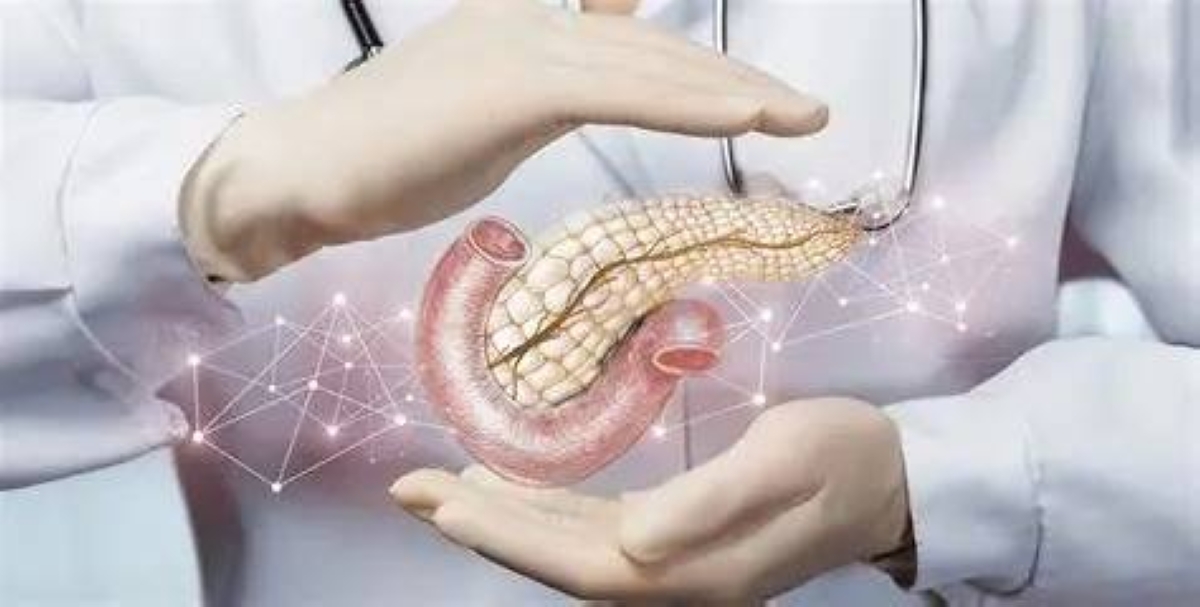
في خطوة قد تغير فهمنا لأحد أكثر أنواع السرطان فتكا، كشفت دراسة واسعة النطاق أجراها علماء من كلية الطب في جامعة نيويورك عن روابط مذهلة بين صحة الفم والميكروبيوم الفموي وبين خطر الإصابة بسرطان البنكرياس، المعروف بـ«القاتل الصامت» لأنه ينتشر دون أعراض واضحة في معظم الحالات، ما يجعله يُشخص غالبا في مراحل متأخرة حيث تكون فرص البقاء ضئيلة.
ونُشرت الدراسة في مجلة JAMA Oncology، وهي أكبر تحقيق من نوعه، حيث شملت تحليلا جينيا لعينات اللعاب من أكثر من 122 ألف شخص أصحاء، إضافة إلى دراسة عوامل نمط الحياة مثل التدخين والتاريخ الطبي مثل الالتهابات المزمنة في اللثة، حيث وجد الباحثون أن 27 نوعا من البكتيريا والفطريات في الفم مرتبطة بزيادة خطر الإصابة بالسرطان بنسبة تصل إلى 3.5 ضعف، ما يشير إلى أن هذه الكائنات الدقيقة قد تنتقل عبر اللعاب إلى البنكرياس، مساهمة في تطور الورم.
ما هو سرطان البنكرياس؟
ويعد سرطان البنكرياس الرابع عالميا في أسباب الوفيات الناتجة عن السرطان، حيث يؤدي إلى مقتل أكثر من 500 ألف شخص سنويا، وفقا لمنظمة الصحة العالمية، وفي الولايات المتحدة وحدها، يُشخص حوالى 64 ألف حالة جديدة كل عام، ومعدل البقاء على قيد الحياة لمدة خمس سنوات لا يتجاوز 12%، مقارنة بـ90% في سرطان الثدي مثلا.
ويرجع ذلك إلى صعوبة الكشف المبكر؛ فالأعراض مثل آلام البطن أو فقدان الوزن تظهر متأخرا، ولا توجد فحوصات روتينية فعالة مثل تلك المستخدمة في سرطان القولون، ومنذ عقود، ركزت الأبحاث على عوامل الخطر التقليدية مثل التدخين (يحمل مخاطر بنسبة 20-30% أعلى)، السمنة، السكري من النوع الثاني، والتاريخ العائلي، لكن هذه الدراسة الجديدة، التي شارك فيها خبراء من معهد السرطان الوطني وكلية ألبرت أينشتاين للطب، تضيف طبقة جديدة وهي دور الميكروبيوم الفموي.
تحذير عالمي لتنظيف الأسنان
ونقلت الدراسة عن الدكتور ريتشارد هايس، أحد المؤلفين المشاركين وخبير الصحة السكانية «أصبح واضحا أكثر من أي وقت مضى أن تنظيف الأسنان والخيط السنوي لا يحمي فقط من أمراض اللثة، بل قد يقلل أيضا من خطر السرطان».
واستخدم الفريق بيانات من دراسات طولية كبيرة، بما في ذلك تحليل جينومي للبكتيريا في اللعاب، لتحديد الأنماط المرتبطة بالإصابة اللاحقة بالسرطان، واكتشفوا أن أنواعا معينة من البكتيريا المرتبطة بالتهاب اللثة المزمن (مثل تلك التي تسبب التهابات اللثة) تزيد الخطر بشكل ملحوظ، خصوصا عند الجمع مع عوامل نمط الحياة مثل التدخين أو تاريخ طبي يشمل السكري.
ويفسر هذا الارتباط جزئيا الزيادة المفاجئة في حالات الإصابة بين النساء الشابات، حيث لم يُلاحظ ارتفاع مماثل لدى الرجال في الفئة العمرية نفسها، إذ إن الدراسة ليست مجرد تحليل إحصائي؛ فقد أدت إلى تطوير أداة تقييمية تنبؤية تعتمد على تركيب الميكروبيوم الفموي، يمكن للأطباء استخدامها لتحديد المرضى عالي الخطر وتوجيههم نحو فحوصات مبكرة مثل التصوير بالموجات فوق الصوتية أو تحليل الدم.
ويُعد هذا الاكتشاف بوابة لإستراتيجيات وقائية بسيطة، مثل تحسين النظافة الفموية كجزء من برامج الصحة العامة، ومع ذلك، يؤكد الباحثون أن الدراسة تركز على الارتباطات، لا السببية المباشرة، وتدعو إلى مزيد من التجارب السريرية لتأكيد النتائج، في ظل ارتفاع معدلات الإصابة العالمية، قد تكون هذه الدراسة مفتاحا لإنقاذ آلاف الأرواح، محولة «القاتل الصامت» إلى هدف يمكن التصدي له مبكرا.
In a step that could change our understanding of one of the deadliest types of cancer, a large-scale study conducted by scientists from the NYU School of Medicine revealed astonishing links between oral health and the oral microbiome and the risk of developing pancreatic cancer, known as the "silent killer" because it spreads without clear symptoms in most cases, making it often diagnosed at late stages where survival chances are slim.
The study was published in JAMA Oncology and is the largest investigation of its kind, including a genetic analysis of saliva samples from over 122,000 healthy individuals, in addition to studying lifestyle factors such as smoking and medical history like chronic gum infections. Researchers found that 27 types of bacteria and fungi in the mouth are associated with an increased risk of cancer by up to 3.5 times, suggesting that these microorganisms may transfer through saliva to the pancreas, contributing to tumor development.
What is pancreatic cancer?
Pancreatic cancer is the fourth leading cause of cancer-related deaths globally, resulting in more than 500,000 deaths annually, according to the World Health Organization. In the United States alone, about 64,000 new cases are diagnosed each year, with a five-year survival rate of only 12%, compared to 90% for breast cancer, for example.
This is due to the difficulty of early detection; symptoms such as abdominal pain or weight loss appear late, and there are no effective routine screenings like those used for colon cancer. For decades, research has focused on traditional risk factors such as smoking (which carries a 20-30% higher risk), obesity, type 2 diabetes, and family history. However, this new study, which involved experts from the National Cancer Institute and the Albert Einstein College of Medicine, adds a new layer regarding the role of the oral microbiome.
A Global Warning for Tooth Cleaning
The study quoted Dr. Richard Hayes, one of the co-authors and a population health expert, stating, "It has become clearer than ever that annual tooth brushing and flossing not only protect against gum disease but may also reduce cancer risk."
The team used data from large longitudinal studies, including genomic analysis of bacteria in saliva, to identify patterns associated with subsequent cancer development. They discovered that certain types of bacteria associated with chronic gum inflammation (such as those causing gum infections) significantly increase the risk, especially when combined with lifestyle factors like smoking or a medical history that includes diabetes.
This association partially explains the sudden increase in cases among young women, as a similar rise has not been observed among men in the same age group. The study is not just a statistical analysis; it has led to the development of a predictive assessment tool based on the composition of the oral microbiome, which doctors can use to identify high-risk patients and direct them toward early screenings such as ultrasound or blood tests.
This discovery opens the door to simple preventive strategies, such as improving oral hygiene as part of public health programs. However, researchers emphasize that the study focuses on associations, not direct causation, and call for further clinical trials to confirm the findings. Amid rising global incidence rates, this study could be the key to saving thousands of lives, turning the "silent killer" into a target that can be addressed early.