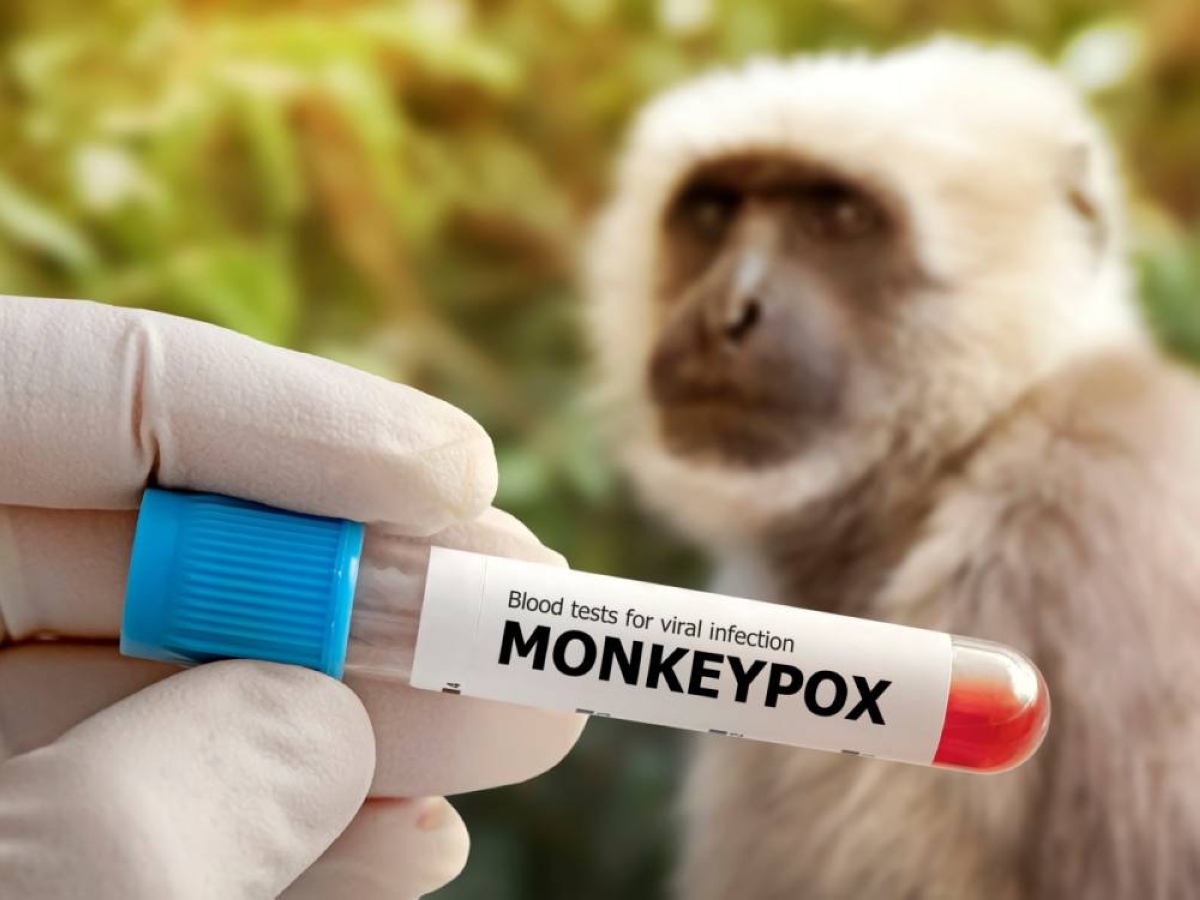
في تطور مقلق يعكس انتشار جدري القردة السريع في القارة الأفريقية، أعلنت وزارة الصحة الزامبية عن تسجيل حالتَي وفاة جديدتين مرتبطتين بالمرض، مع 1299 حالة إصابة مشتبه بها حتى الآن، وأربع وفيات إجمالية منذ بداية الجائحة في أكتوبر 2024.
كما أكدت السلطات 18 إصابة جديدة خلال الأيام العشرة الماضية، ما يرفع العدد الإجمالي للحالات المؤكدة إلى أكثر من 250 حالة، في ظل مخاوف من تفشٍّ أوسع بسبب السلالة الأكثر فتكا.
ووفقا لبيان رسمي من المعهد الوطني للصحة العامة في زامبيا، جاءت الحالة الوفاة الجديدة من مقاطعة الوسط، حيث يُعتقد أن الضحية (رجل في الثلاثينات من عمره) كان يعاني من أعراض شديدة مثل الطفح الجلدي والحمى العالية، ولم يتمكن من الوصول إلى العلاج في الوقت المناسب بسبب نقص الموارد الطبية في المناطق الريفية.
وقد أدى هذا الإعلان إلى تعزيز الإجراءات الوقائية، بما في ذلك فحص أكثر من 500 جهة اتصال محتملة، وتوزيع اللقاحات المحدودة على الفئات عالية الخطر مثل العاملين في الرعاية الصحية والأشخاص ذوي المناعة الضعيفة.
جدري القردة
الوباء الذي يهدد أفريقيا
ويعتبر جدري القردة، الذي أعيدت تسميته رسميا إلى «Mpox» من قبل منظمة الصحة العالمية في 2022 لتجنب الوصمة، هو مرض فايروسي ينتقل بشكل أساسي عبر الاتصال الجسدي المباشر، بما في ذلك الاتصال الجنسي أو التعامل مع سوائل الجسم، إضافة إلى الاتصال بالأسطح الملوثة أو قطرات التنفس في الحالات الشديدة.
ويسبب فايروس جدري القردة فايروس من عائلة البوكس، ويتميز بأعراض تشمل الحمى، الصداع، الطفح الجلدي، والتقرحات، وقد يؤدي إلى مضاعفات خطيرة مثل الالتهاب الرئوي أو التهاب الدماغ لدى الأشخاص ذوي المناعة الضعيفة، خصوصا الأطفال والحوامل، وبدأ الوباء الحالي في أفريقيا في سبتمبر 2023 في جمهورية الكونغو الديمقراطية، حيث سُجلت أكثر من 16,000 حالة و500 وفاة بحلول أغسطس 2024، وفقا لتقارير منظمة الصحة العالمية.
وأدى ذلك إلى إعلان حالة طوارئ صحية دولية في أغسطس 2024، مع انتشار السلالة الجديدة Clade Ib – التي تنتقل أسرع وأكثر فتكا بنسبة تصل إلى 3-10% – إلى دول مجاورة مثل بوروندي، رواندا، أوغندا، وزامبيا.
وفي أفريقيا ككل، بلغ عدد الحالات المؤكدة أكثر من 105,000 حالة في 2025، مع اقتراب الوفيات من 2,000، وفقا لمركز السيطرة على الأمراض الأفريقي، مع تركيز 80% من الحالات في الكونغو الديمقراطية، وفي زامبيا، تم الإبلاغ عن أول حالة في أكتوبر 2024 لدى مواطن تنزاني، ما أثار مخاوف من الانتشار عبر الحدود.
نحو السيطرة أم الفوضى؟
أدى الانتشار في زامبيا إلى إغلاق بعض الأسواق الحدودية مؤقتا وإطلاق حملات توعية في المدارس والمجتمعات، مع دعم من منظمة الصحة العالمية التي وعدت بإرسال 10,000 جرعة لقاح إضافية، ومع ذلك، يحذر الخبراء من أن الوفيات الثلاث – معظمها بين الأطفال والمسنين – تشير إلى فشل في الكشف المبكر، حيث يصل معدل الاختبار إلى 66% فقط من الحالات المشتبه بها.
ويُعزى الانتشار السريع إلى نقص اللقاحات – حيث حصلت زامبيا على دفعة أولى من 5,000 جرعة في يناير 2025 – والتحديات في الرعاية الصحية، إضافة إلى الوعي المحدود بين السكان الريفيين، حيث قال الدكتور سيبوليا سياكاليما، وزير الصحة الزامبي: «نحن نواجه تحديا كبيرا، لكن تعزيز الاختبارات والحجر الصحي سيساعد في احتواء الوباء قبل أن يصبح كارثة».
In a concerning development reflecting the rapid spread of monkeypox across the African continent, the Zambian Ministry of Health announced the registration of two new deaths related to the disease, with 1,299 suspected cases reported so far, and a total of four deaths since the beginning of the pandemic in October 2024.
The authorities also confirmed 18 new infections over the past ten days, raising the total number of confirmed cases to more than 250, amid fears of a wider outbreak due to the more lethal strain.
According to an official statement from the National Institute of Public Health in Zambia, the new death case came from the Central Province, where it is believed that the victim (a man in his thirties) was suffering from severe symptoms such as rash and high fever, and was unable to access treatment in time due to a lack of medical resources in rural areas.
This announcement has led to the strengthening of preventive measures, including testing more than 500 potential contacts and distributing limited vaccines to high-risk groups such as healthcare workers and immunocompromised individuals.
جدري القردة
The Pandemic Threatening Africa
Monkeypox, which was officially renamed "Mpox" by the World Health Organization in 2022 to avoid stigma, is a viral disease primarily transmitted through direct physical contact, including sexual contact or handling bodily fluids, as well as contact with contaminated surfaces or respiratory droplets in severe cases.
The monkeypox virus belongs to the poxvirus family and is characterized by symptoms including fever, headache, rash, and lesions, and can lead to serious complications such as pneumonia or encephalitis in immunocompromised individuals, especially children and pregnant women. The current outbreak in Africa began in September 2023 in the Democratic Republic of the Congo, where more than 16,000 cases and 500 deaths were recorded by August 2024, according to reports from the World Health Organization.
This led to the declaration of a public health emergency in August 2024, as the new strain Clade Ib – which spreads faster and is more lethal by up to 3-10% – reached neighboring countries such as Burundi, Rwanda, Uganda, and Zambia.
Across Africa as a whole, the number of confirmed cases exceeded 105,000 in 2025, with deaths approaching 2,000, according to the African Centers for Disease Control, with 80% of cases concentrated in the Democratic Republic of the Congo. In Zambia, the first case was reported in October 2024 in a Tanzanian citizen, raising concerns about cross-border spread.
Towards Control or Chaos?
The spread in Zambia has led to the temporary closure of some border markets and the launch of awareness campaigns in schools and communities, with support from the World Health Organization, which has promised to send an additional 10,000 vaccine doses. However, experts warn that the three deaths – most of which were among children and the elderly – indicate a failure in early detection, with the testing rate reaching only 66% of suspected cases.
The rapid spread is attributed to a lack of vaccines – as Zambia received an initial batch of 5,000 doses in January 2025 – and challenges in healthcare, in addition to limited awareness among rural populations. Dr. Sipholia Siakalima, the Zambian Minister of Health, stated, "We are facing a significant challenge, but enhancing testing and quarantine will help contain the outbreak before it becomes a disaster."