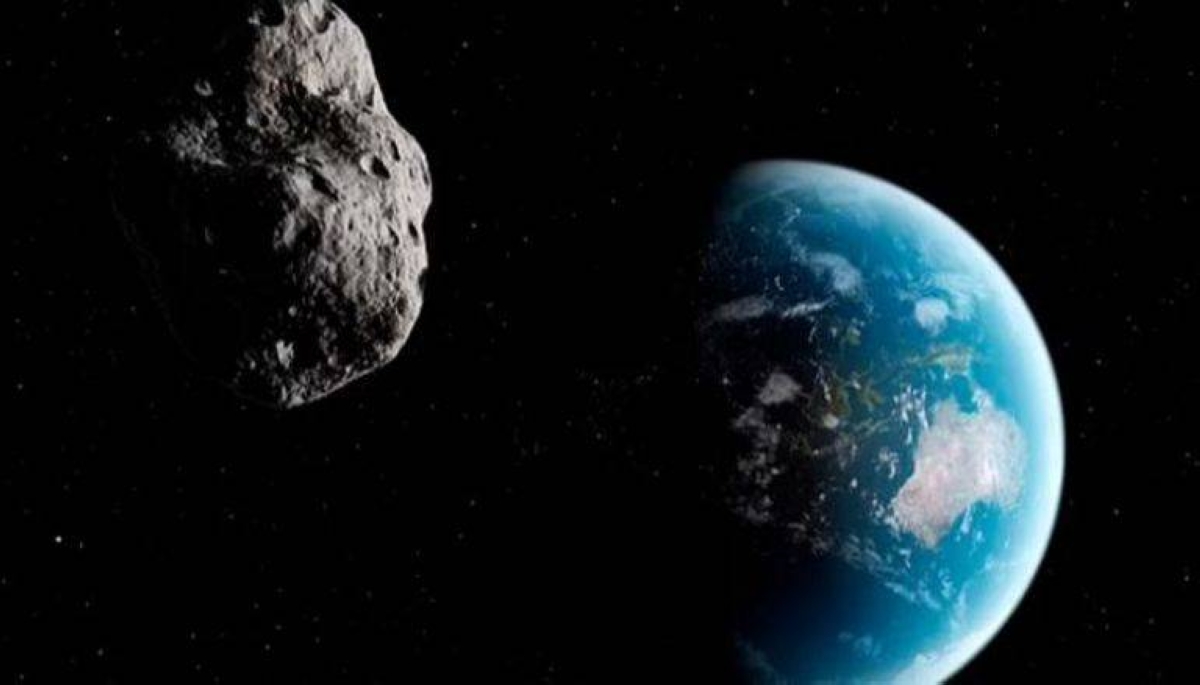
في تطور مقلق يثير تساؤلات حول فعالية استراتيجيات الدفاع الكوكبي، حذر علماء من جامعة إلينوي في أوربانا-شامبين، من أن محاولات تحويل مسار كويكبات قاتلة قد تتحول إلى «سيف ذي حدين».
ووفقاً لدراسة نشرتها مجلة «Nature Astronomy»، قد تنجح الضربة الواحدة في إبعاد الكويكب عن مساره الحالي نحو الأرض، لكن إذا كانت غير دقيقة، فقد تدفعه عبر «فتحات جاذبية» خطيرة في الفضاء، مما يعيد توجيهه للاصطدام بالأرض بعد سنوات أو عقود.
ويأتي هذا التحذير في أعقاب نجاح مهمة ناسا «DART» في 2022، التي أثبتت إمكانية تغيير مسار كويكب صغير، لكنه يبرز مخاطر الاعتماد على هذه التقنيات دون تخطيط دقيق، حيث تركز الدراسة، التي قادها الباحث راهيل ماكاديا، على تقنية «التأثير الحركي»، حيث يتم إلقاء مركبة فضائية على سطح الكويكب لتغيير سرعته ومساره.
ويشرح العلماء أن الكويكبات تتبع مدارات معقدة حول الشمس، وأي تغيير طفيف قد يمررها عبر «الفتحات الجاذبية» وهي مناطق ضيقة في الفضاء حيث تؤثر جاذبية الأرض على المدار، ما يجعل الكويكب يعود للتهديد بعد دورة كاملة.
وتمثل الكويكبات المتقاربة للأرض أحد أكبر التهديدات الطبيعية غير المتوقعة لكوكبنا، حيث يقدر علماء ناسا أن كويكباً واحداً قطره 140 متراً يمكن أن يسبب دماراً يعادل انفجار آلاف القنابل النووية، كما حدث في انقراض الديناصورات قبل 66 مليون عام بسبب كويكب يبلغ قطره 10 كيلومترات.
وحالياً، يراقب نظام الكشف عن الكويكبات الأرضية أكثر من 30 ألف كويكب، معظمها غير ضار، لكن بعضها مثل «بينو» أو «أبوفيس» يثير قلقاً بسبب احتمالية اصطدامهما بالأرض في العقود القادمة، رغم أن الاحتمالية منخفضة (أقل من 0.01% للقرن الحالي).
وقد أنشأ الباحثون بالفعل خرائط احتمالية للكويكبات التي تمت دراستها جيدا مثل «بينو» (Bennu)، ومزودة بعلامات تشير إلى مناطق الاصطدام المثلى. وتأخذ هذه الخرائط في الاعتبار حالات عدم اليقين الحتمية في أي مهمة فضائية، حيث إن حتى المركبة الفضائية الأكثر توجيها بدقة قد تخطئ الهدف بعدة أمتار.
In a concerning development that raises questions about the effectiveness of planetary defense strategies, scientists from the University of Illinois at Urbana-Champaign have warned that attempts to redirect deadly asteroids could turn into a "double-edged sword."
According to a study published in the journal "Nature Astronomy," a single strike may succeed in diverting an asteroid from its current path toward Earth, but if it is inaccurate, it could push it through dangerous "gravity wells" in space, redirecting it to collide with Earth after years or decades.
This warning follows the success of NASA's "DART" mission in 2022, which demonstrated the possibility of changing the trajectory of a small asteroid, but it highlights the risks of relying on these technologies without careful planning. The study, led by researcher Raheel Makadia, focuses on the "kinetic impactor" technique, where a spacecraft is thrown at the surface of the asteroid to change its speed and path.
The scientists explain that asteroids follow complex orbits around the sun, and any slight change could pass them through "gravity wells," which are narrow regions in space where Earth's gravity affects the orbit, causing the asteroid to return as a threat after a complete cycle.
Near-Earth asteroids represent one of the largest unexpected natural threats to our planet, as NASA scientists estimate that a single asteroid with a diameter of 140 meters could cause destruction equivalent to the explosion of thousands of nuclear bombs, similar to the extinction of the dinosaurs 66 million years ago due to an asteroid that was 10 kilometers in diameter.
Currently, the near-Earth asteroid detection system monitors over 30,000 asteroids, most of which are harmless, but some, like "Bennu" or "Apophis," raise concerns due to the possibility of them colliding with Earth in the coming decades, although the probability is low (less than 0.01% for this century).
Researchers have already created probability maps for well-studied asteroids like "Bennu," equipped with markers indicating optimal collision areas. These maps take into account the inevitable uncertainties in any space mission, as even the most accurately guided spacecraft could miss the target by several meters.