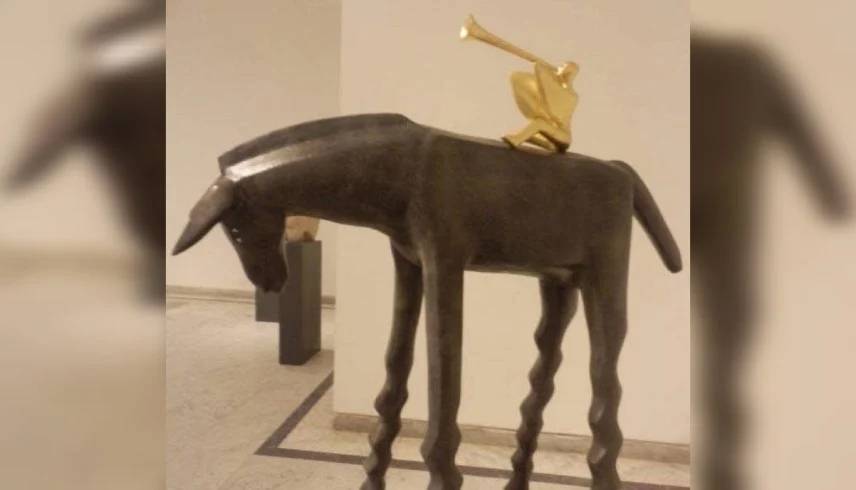
شهدت منطقة الزمالك في القاهرة واقعة مثيرة، بعدما تعرّض مجسم فني يجسد «حماراً» من إبداع الفنان التشكيلي الدكتور السيد عبده سليم للسرقة من داخل غاليري ضي. الحادثة أحدثت صدى واسعاً داخل الأوساط الفنية والثقافية وأثارت تساؤلات حول سبل حماية الأعمال الفنية.
خطة تنكر محكمة
وفق رواية رئيس مجلس إدارة أتيليه العرب للثقافة والفنون الناقد التشكيلي هشام قنديل فإن المتهم الرئيسي لجأ إلى التنكر في هيئة عامل نظافة متجول ليدخل إلى مقر الغاليري صباح الأربعاء الماضي.
وبمساعدة شخص آخر، شرع في تفكيك الجزء العلوي من المجسم على مدار ثلاثة أيام متتالية مستخدماً أدوات معدنية، قبل أن ينجح في الاستيلاء على القطعة الفنية.
بيع القطعة بثمن زهيد
تحركت الأجهزة الأمنية المصرية بسرعة وتمكنت من تحديد هوية المتورطين وضبطهم بعد تحريات موسعة. والمثير أن المتهم الأول اعترف ببيع الجزء المسروق مقابل ألف جنيه فقط، ما اعتبره فنانون دليلاً على غياب الوعي بقيمة هذا العمل الفني.
جهود لاستعادة المجسم
في الوقت نفسه، تواصل الأجهزة الأمنية جهودها المكثفة لاستعادة الجزء المفقود من المجسم وإعادته إلى موقعه الأصلي في حديقة الغاليري، وسط دعوات من الفنانين والمثقفين لتعزيز إجراءات حماية التراث التشكيلي والفني في مصر.
The Zamalek area in Cairo witnessed an intriguing incident when an artistic sculpture depicting a "donkey," created by the visual artist Dr. Sayyed Abdo Selim, was stolen from inside the Di Gallery. The incident caused a wide stir within artistic and cultural circles and raised questions about ways to protect artistic works.
Well-Planned Disguise
According to the account of Hesham Qandil, the chairman of the Atelier of Arabs for Culture and Arts, the main suspect resorted to disguising himself as a wandering cleaner to enter the gallery premises last Wednesday morning.
With the help of another person, he began dismantling the upper part of the sculpture over three consecutive days using metal tools, before successfully seizing the artwork.
Selling the Piece for a Meager Price
Egyptian security forces acted swiftly and were able to identify the involved parties and apprehend them after extensive investigations. Interestingly, the first suspect confessed to selling the stolen part for only one thousand Egyptian pounds, which artists considered evidence of a lack of awareness regarding the value of this artwork.
Efforts to Recover the Sculpture
At the same time, security agencies continue their intensive efforts to recover the missing part of the sculpture and return it to its original location in the gallery's garden, amid calls from artists and intellectuals to enhance measures to protect artistic and cultural heritage in Egypt.