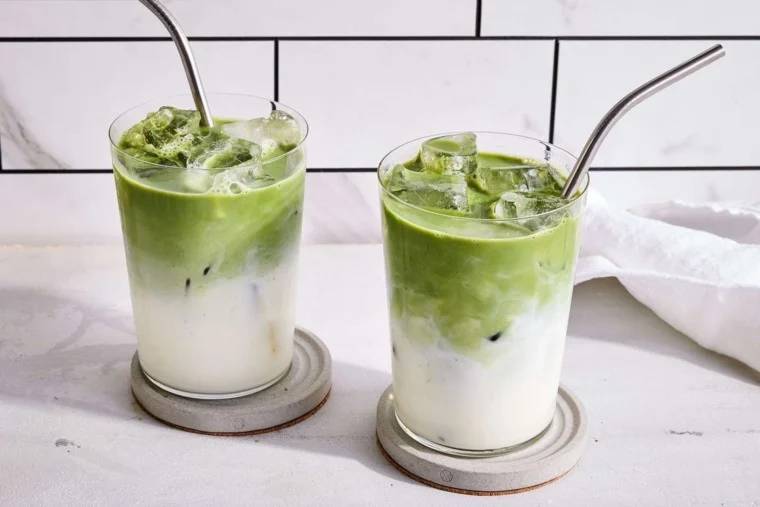
أصبح شاي الماتشا الياباني من أبرز المشروبات الصحية الرائجة عالميًا، إذ يصفه الكثيرون بأنه مصدر غني بمضادات الأكسدة وفوائد تعزيز المناعة والطاقة. لكن شعبيته الواسعة ترافقت أخيرا مع جدل حول تأثيره على تساقط الشعر، بعد أن زعمت سيدة أعمال متخصصة في العناية بالبشرة أنها لاحظت فقدان شعرها إثر الإفراط في تناوله، وفق ما نقلته صحيفة ميرور البريطانية.
رأي خبراء التغذية
الخبير البريطاني في التغذية روب هوبسون، والمتحدث باسم شركة Bio-Kult للمكملات الغذائية، أوضح أن الماتشا لا يسبب تساقط الشعر بشكل مباشر، لكنه يحتوي على نسبة مرتفعة من مركبات التانينات مقارنة بالشاي التقليدي. وقد تعيق هذه المركبات امتصاص الحديد النباتي عند تناولها بكميات كبيرة، وهو ما يشكّل خطراً خصوصا على الأشخاص الأكثر عرضة لنقص الحديد مثل النباتيين والنساء الحوامل أو اللواتي في مرحلة ما قبل انقطاع الطمث.
وأكد هوبسون أن الحل يكمن في تناول الماتشا باعتدال، مع شربه بعيدًا عن الوجبات الغنية بالحديد، ودعم النظام الغذائي بأطعمة غنية بفيتامين C لتعزيز امتصاص الحديد.
الفوائد المثبتة علمياً
أبحاث نشرتها مجلات التغذية أكدت أن الماتشا غني بمركبات EGCG (Epigallocatechin gallate)، وهي مضادات أكسدة تساعد على:
- حماية الخلايا من الالتهابات.
- تعزيز نمو البكتيريا النافعة في الأمعاء.
- تحسين التمثيل الغذائي.
- دعم صحة بصيلات الشعر ونموها الطبيعي.
المخاطر المحتملة عند الإفراط
يحذر خبراء التغذية من أن الإفراط في استهلاك الماتشا قد يؤدي إلى:
- الأرق واضطرابات النوم بسبب الكافيين.
- مشكلات هضمية أو عصبية مثل التوتر والارتجاف.
- زيادة طفيفة في احتمال تكوّن حصى الكلى نتيجة الأوكسالات، وإن كان ذلك نادراً.
الخلاصة
بحسب خبراء التغذية، فإن شاي الماتشا يظل مشروباً صحياً عند تناوله باعتدال، ولا يؤدي إلى تساقط الشعر الدائم، وإنما قد يسبب تساقطاً مؤقتاً مرتبطاً بسوء امتصاص الحديد، وهو أمر يمكن تلافيه عبر نظام غذائي متوازن.
The Japanese matcha tea has become one of the most popular health drinks globally, with many describing it as a rich source of antioxidants and benefits for boosting immunity and energy. However, its widespread popularity has recently been accompanied by controversy regarding its effect on hair loss, after a businesswoman specializing in skincare claimed she noticed her hair falling out due to excessive consumption, according to the British newspaper Mirror.
Nutritionists' Opinion
British nutrition expert Rob Hobson, a spokesperson for Bio-Kult dietary supplements, explained that matcha does not directly cause hair loss, but it contains a higher percentage of tannin compounds compared to traditional tea. These compounds can hinder the absorption of plant-based iron when consumed in large quantities, which poses a risk especially for those more susceptible to iron deficiency, such as vegetarians and pregnant women or those in the pre-menopausal stage.
Hobson confirmed that the solution lies in consuming matcha in moderation, drinking it away from iron-rich meals, and supporting the diet with foods rich in vitamin C to enhance iron absorption.
Scientifically Proven Benefits
Research published in nutrition journals has confirmed that matcha is rich in EGCG (Epigallocatechin gallate) compounds, which are antioxidants that help to:
- Protect cells from inflammation.
- Promote the growth of beneficial bacteria in the gut.
- Improve metabolism.
- Support the health and natural growth of hair follicles.
Potential Risks of Overconsumption
Nutrition experts warn that excessive consumption of matcha may lead to:
- Insomnia and sleep disturbances due to caffeine.
- Digestive or nervous issues such as anxiety and tremors.
- A slight increase in the likelihood of kidney stones due to oxalates, although this is rare.
Conclusion
According to nutrition experts, matcha tea remains a healthy drink when consumed in moderation and does not lead to permanent hair loss; rather, it may cause temporary shedding related to poor iron absorption, which can be avoided through a balanced diet.