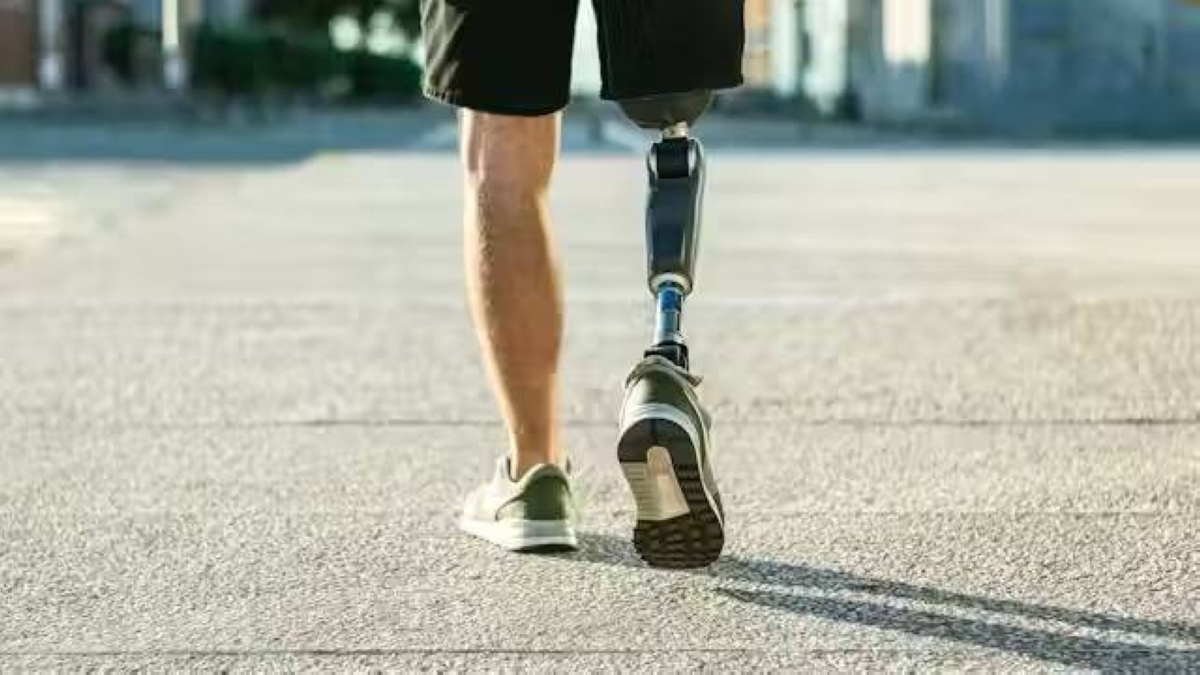
كشفت دراسة حديثة نُشرت في مجلة «Nature Neuroscience» عن نتائج مذهلة حول كيفية تعامل الدماغ البشري مع فقدان جزء من الجسم، مثل اليد أو القدم، بعد عمليات البتر.
لعقود، اعتقد العلماء أن الدماغ يعيد تنظيم خريطته الداخلية للجسم بشكل جذري عند فقدان أحد الأطراف، حيث تستولي أجزاء الجسم المجاورة، مثل الوجه، على المنطقة التي كانت مخصصة للطرف المفقود، لكن هذه الدراسة تقلب هذا الاعتقاد رأسا على عقب، مؤكدة أن خريطة الجسم في الدماغ تبقى مستقرة بشكل لافت، حتى بعد سنوات من البتر.
أجريت الدراسة بالتعاون مع جراحين في هيئة الخدمات الصحية الوطنية (NHS) في المملكة المتحدة، حيث تابع الباحثون ثلاثة مرضى بالغين كانوا يستعدون لعمليات بتر ذراع ضرورية لأسباب طبية، مثل السرطان أو مشكلات حادة في الإمداد الدموي.
وتم فحص أدمغتهم باستخدام التصوير بالرنين المغناطيسي الوظيفي (fMRI) قبل العملية وبعدها، في بعض الحالات لمدة تصل إلى خمس سنوات، وخلال الفحوصات طُلب من المرضى تحريك أجزاء مختلفة من الجسم، مثل أصابع اليد، أصابع القدم، أو الشفاه، لرسم خريطة الدماغ.
بعد البتر، طُلب من المرضى تحريك أصابعهم الوهمية (Phantom Movements)، وهي حركات يشعر بها معظم المبتورين على الرغم من فقدان الطرف جسديا، هذه الظاهرة، المعروفة باسم الأطراف الوهمية، ليست مجرد خيال، بل تعكس إحساسا حقيقيا بالطرف المفقود، فقد سمحت هذه الطريقة للباحثين بمقارنة خريطة اليد في الدماغ قبل وبعد البتر لدى نفس الشخص.
أظهرت النتائج أن خريطة اليد في الدماغ ظلت مستقرة بشكل ملحوظ لدى جميع المرضى الثلاثة، دون أن تستولي عليها أجزاء أخرى من الجسم، مثل الوجه، كما كان يُعتقد سابقا، وهذا الاستقرار العصبي يفسر سبب شعور العديد من المبتورين بأطرافهم المفقودة بشكل واضح، وأحيانا مؤلم.
وكانت النظرية السائدة تربط الألم الوهمي (مثل الإحساس بالحرقان أو الوخز في الطرف المفقود) بإعادة تنظيم خريطة الدماغ، واستندت علاجات مثل العلاج بالمرآة، التدريب بالواقع الافتراضي، أو تمارين التمييز الحسي إلى فكرة إصلاح هذه الخريطة المعطوبة.
لكن الدراسة تكشف أن هذه الخريطة ليست معطوبة أصلا، ما يفسر فشل هذه العلاجات في تحقيق نتائج تتجاوز تأثير العلاج الوهمي (Placebo) في التجارب السريرية.
وتشير الدراسة إلى أن الألم الوهمي قد يكون مرتبطا بالأعصاب المقطوعة أثناء البتر، التي قد تتشابك وتُنتج إشارات خاطئة ترسل إلى الدماغ، ويتم الآن تطوير تقنيات جراحية جديدة تهدف إلى الحفاظ على الإشارات العصبية واستقرار الاتصال مع الدماغ، ما قد يقلل من هذه الآلام.
وتفتح هذه النتائج آفاقا جديدة لتطوير الأطراف الاصطناعية وواجهات الدماغ والحاسوب، ويمكن لتقنيات الواجهات العصبية المتقدمة استغلال خريطة الدماغ المستقرة لفك شفرة الحركات المقصودة أو توفير تحفيز كهربائي للسماح للمبتورين بإحساس أطرافهم الاصطناعية، لكن هذه التقنيات التي لا تزال قيد التطوير، قد تتيح يوما ما تحكما طبيعيا وحسيا بالأطراف الاصطناعية.
وتُظهر الدراسة أن الدماغ يحتفظ بنموذج مرن وثابت للجسم، حتى عند فقدان الإشارات الحسية. بالنسبة للمبتورين، هذا يعني أن الطرف المفقود يظل حيا في الدماغ، كمصدر محتمل للألم، ولكنه أيضا مورد قيم لتقنيات المستقبل.
A recent study published in the journal "Nature Neuroscience" revealed astonishing results about how the human brain deals with the loss of a body part, such as a hand or foot, after amputations.
For decades, scientists believed that the brain radically reorganizes its internal map of the body when a limb is lost, with neighboring body parts, such as the face, taking over the area that was designated for the lost limb. However, this study turns that belief upside down, confirming that the body map in the brain remains remarkably stable, even years after amputation.
The study was conducted in collaboration with surgeons at the National Health Service (NHS) in the United Kingdom, where researchers followed three adult patients preparing for necessary arm amputations for medical reasons, such as cancer or severe blood supply issues.
Their brains were examined using functional magnetic resonance imaging (fMRI) before and after the surgery, in some cases for up to five years. During the scans, patients were asked to move different body parts, such as fingers, toes, or lips, to map the brain.
After amputation, patients were asked to perform phantom movements (Phantom Movements), which are movements felt by most amputees despite the physical loss of the limb. This phenomenon, known as phantom limbs, is not just a figment of the imagination but reflects a real sensation of the lost limb. This method allowed researchers to compare the hand map in the brain before and after amputation in the same individual.
The results showed that the hand map in the brain remained remarkably stable in all three patients, without being taken over by other body parts, such as the face, as previously thought. This neural stability explains why many amputees clearly and sometimes painfully feel their missing limbs.
The prevailing theory linked phantom pain (such as burning or tingling sensations in the lost limb) to the reorganization of the brain map, and treatments like mirror therapy, virtual reality training, or sensory discrimination exercises were based on the idea of repairing this damaged map.
However, the study reveals that this map is not damaged at all, which explains the failure of these treatments to achieve results beyond the placebo effect (Placebo) in clinical trials.
The study suggests that phantom pain may be related to the cut nerves during amputation, which may become tangled and produce false signals sent to the brain. New surgical techniques are now being developed to preserve nerve signals and stabilize communication with the brain, which may reduce these pains.
These findings open new horizons for the development of prosthetics and brain-computer interfaces. Advanced neural interface technologies could exploit the stable brain map to decode intended movements or provide electrical stimulation to allow amputees to feel their prosthetic limbs. However, these technologies, still in development, may one day enable natural and sensory control of prosthetic limbs.
The study shows that the brain retains a flexible and stable model of the body, even in the absence of sensory signals. For amputees, this means that the lost limb remains alive in the brain, as a potential source of pain, but it is also a valuable resource for future technologies.