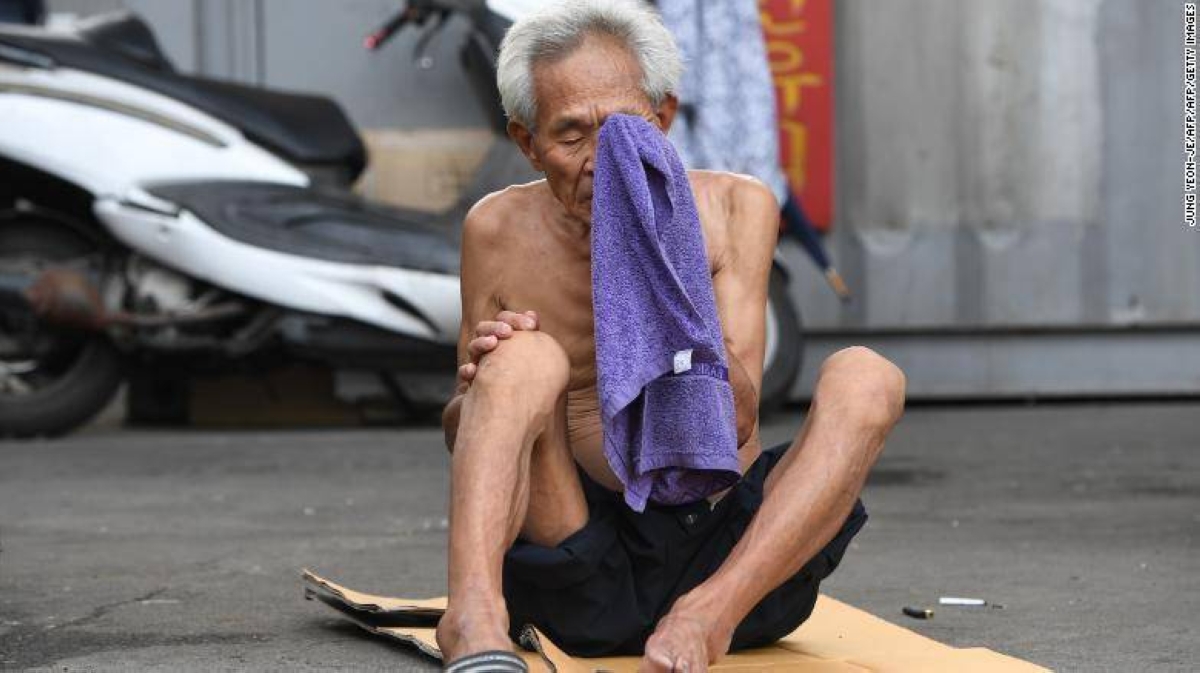
شهدت كوريا الجنوبية خلال صيف 2025 موجة حر غير مسبوقة، أدت إلى ارتفاع مقلق في عدد الإصابات بالأمراض المرتبطة بالحرارة، وتجاوزت الحصيلة 4,000 إصابة بحسب التقارير الرسمية الصادرة عن الوكالة الكورية للسيطرة على الأمراض والوقاية منها.
وتشهد كوريا الجنوبية، مثل العديد من دول العالم، ارتفاعاً ملحوظاً في درجات الحرارة خلال السنوات الأخيرة، مدفوعاً بظاهرة الاحتباس الحراري وزيادة انبعاثات الغازات الدفيئة، التي تعكس التحديات الصحية والبيئية المتزايدة التي تواجهها البلاد في ظل التغيرات المناخية المتسارعة.
ووفقاً لمنظمة الأرصاد الجوية العالمية، سجل عام 2024 أعلى درجات الحرارة على الإطلاق، مع ارتفاع بلغ 1.55 درجة مئوية فوق مستويات ما قبل الثورة الصناعية، وفي كوريا الجنوبية، بلغ متوسط درجة الحرارة في 2023 حوالى 13.32 درجة مئوية، مقارنة بـ12.74 درجة مئوية في 2022، ما يشير إلى اتجاه تصاعدي في درجات الحرارة.
وخلال صيف 2025، شهدت البلاد موجات حر شديدة، إذ وصلت درجات الحرارة في بعض المناطق إلى أكثر من 40 درجة مئوية، ما زاد من حالات الإجهاد الحراري وضربات الشمس، خصوصاً بين كبار السن والأشخاص الذين يعانون من أمراض مزمنة، وتشمل الأمراض المرتبطة بالحرارة أعراضاً مثل الصداع، الغثيان، الجفاف، ارتفاع حرارة الجسم، التشنجات، وقد تتطور إلى حالات خطيرة مثل ضربات الحرارة التي تهدد الحياة.
وأعلنت وزارة الداخلية والسلامة الكورية الجنوبية تعزيز التدابير الوقائية، بما في ذلك تحسين أنظمة الإنذار المبكر للتنبؤ بموجات الحر، وتوزيع إرشادات للمواطنين تحثهم على تجنب الأنشطة البدنية المكثفة خلال ساعات الذروة الحرارية، وشرب كميات كافية من الماء، والبقاء في أماكن مكيفة أو جيدة التهوية، كما أشارت السلطات إلى أن التغير المناخي يلعب دوراً مباشراً وغير مباشر في تفاقم هذه الظاهرة، مع زيادة تقلبات درجات الحرارة وشدة الظواهر الجوية المتطرفة.
وتسببت موجات الحر في ضغط كبير على النظام الصحي، إذ استقبلت المستشفيات مئات الحالات يومياً، مع التركيز على الفئات الأكثر عرضة للخطر مثل كبار السن والأطفال، وتشير التقارير إلى أن الأمراض المرتبطة بالحرارة أدت إلى ارتفاع حالات الإصابات الخطيرة، بما في ذلك الوفيات في بعض الحالات، وفي 2023، سجلت كوريا الجنوبية 32 حالة وفاة مرتبطة بالحرارة، وهو أعلى رقم منذ 2018 الذي شهد 48 حالة وفاة.
South Korea experienced an unprecedented heatwave during the summer of 2025, leading to a concerning rise in the number of heat-related illnesses, with reports from the Korea Disease Control and Prevention Agency indicating over 4,000 cases.
Like many countries around the world, South Korea has witnessed a noticeable increase in temperatures in recent years, driven by global warming and rising greenhouse gas emissions, reflecting the growing health and environmental challenges the country faces amid rapid climate changes.
According to the World Meteorological Organization, 2024 recorded the highest temperatures ever, with an increase of 1.55 degrees Celsius above pre-industrial levels. In South Korea, the average temperature in 2023 was about 13.32 degrees Celsius, compared to 12.74 degrees Celsius in 2022, indicating an upward trend in temperatures.
During the summer of 2025, the country experienced severe heatwaves, with temperatures in some areas exceeding 40 degrees Celsius, which increased cases of heat stress and heat strokes, particularly among the elderly and those with chronic illnesses. Heat-related illnesses include symptoms such as headaches, nausea, dehydration, elevated body temperature, and cramps, which can develop into severe conditions like life-threatening heat strokes.
The South Korean Ministry of Interior and Safety announced enhanced preventive measures, including improving early warning systems to predict heatwaves, distributing guidelines to citizens urging them to avoid intense physical activities during peak heat hours, drink sufficient amounts of water, and stay in air-conditioned or well-ventilated places. Authorities also noted that climate change plays a direct and indirect role in exacerbating this phenomenon, with increased temperature fluctuations and the intensity of extreme weather events.
Heatwaves have placed significant pressure on the healthcare system, as hospitals received hundreds of cases daily, focusing on the most vulnerable groups such as the elderly and children. Reports indicate that heat-related illnesses have led to an increase in severe cases, including fatalities in some instances. In 2023, South Korea recorded 32 heat-related deaths, the highest number since 2018, which saw 48 deaths.