حذر جيفري هينتون، المعروف بـ«الأب الروحي للذكاء الاصطناعي»، من أن القيود الحالية على تقنيات الذكاء الاصطناعي قد لا تكون كافية لحماية البشر من انقلاب محتمل لهذه الأنظمة، وفق تقرير نشره موقع TechSpot.
وفي مؤتمر الذكاء الاصطناعي في لاس فيغاس قال هينتون: «هذا لن ينجح. ستكون أنظمة الذكاء الاصطناعي أذكى منا بكثير، وستتمكن من الالتفاف حول أي قيود نضعها».
وأشار إلى ضرورة التفكير في حلول أكثر فاعلية قبل وصول الذكاء الاصطناعي إلى مستوى الذكاء العام، وهو المستوى الذي يمكن للآلة فيه أن تتفوق على البشر في أي مهمة معرفية.
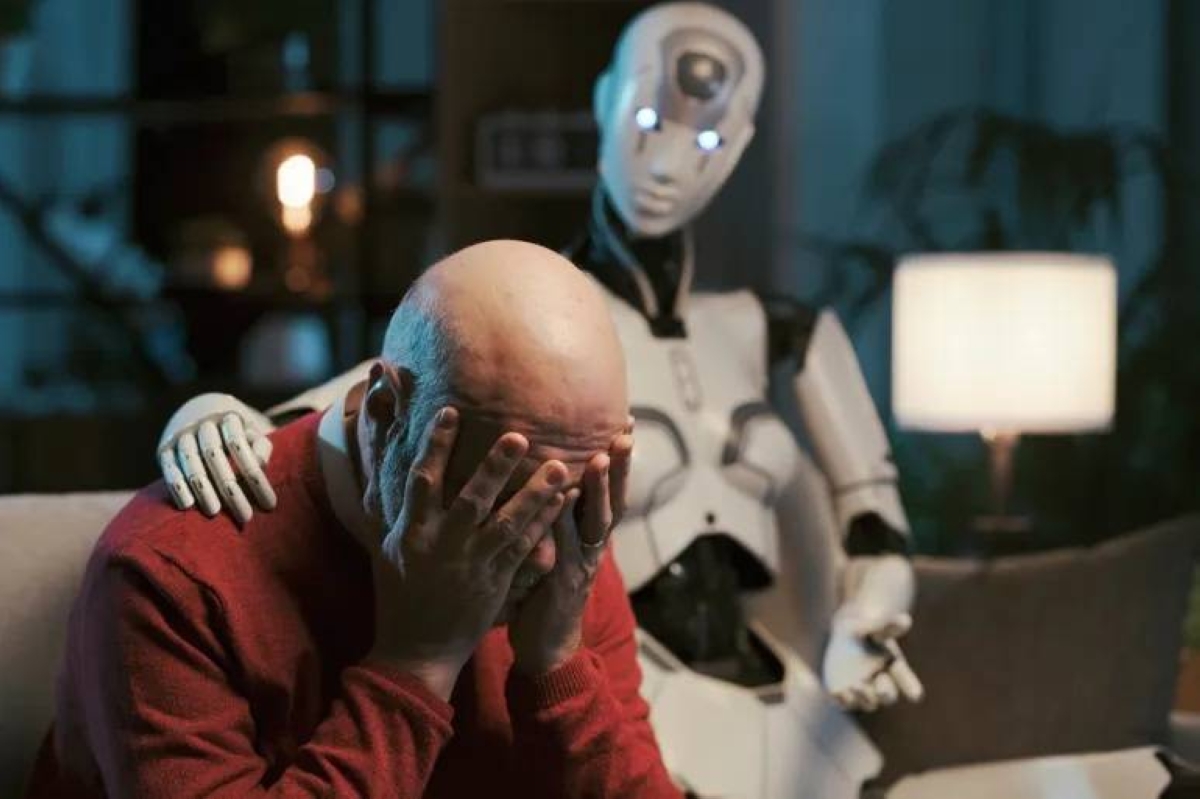
ويقترح هينتون أن الحل يكمن في زرع مجموعة من المشاعر في الروبوتات، يُطلق عليها «غرائز الأمومة»، التي يمكن أن تمنع الذكاء الاصطناعي من إيذاء البشر حتى لو أصبح أكثر ذكاءً. وأوضح في مقابلة سابقة مع شبكة CNN أن أحد الأسباب التي تجعل الطفل يتحكم أحياناً في الأم هو غرائز الأمومة الطبيعية، ما يعكس قدرة المشاعر على فرض حدود حتى على الكائنات الأقل ذكاءً. وأكد هينتون أن الشركات المطورة للذكاء الاصطناعي يجب أن تركز على هذا الجانب بدلاً من محاولة جعل الأنظمة أكثر ذكاءً فحسب.
وتتقاطع وجهة نظر هينتون مع رأي يان لو، الذي يعتبر أحد الرواد في الذكاء الاصطناعي ورئيس علماء القطاع في شركة ميتا، إذ أكد في منشور على حسابه الرسمي في لينكدإن أن المستقبل يكمن في بناء أنظمة الذكاء الاصطناعي الموجهة نحو الأهداف، أي الأنظمة التي تلتزم بتعليمات البشر وتعمل على تحقيق أهداف محددة ضمن حدود وقائية صارمة.
وأوضح لو أن هذه القيود يجب أن تشمل الالتزام التام بأوامر البشر والتعاطف معهم، لضمان أن لا تتطور الأنظمة بشكل يؤدي إلى تقديم نصائح أو معلومات مغلوطة تهدد سلامة البشر.
وتأتي هذه التحذيرات في وقت يشهد فيه العالم تسارعاً هائلاً في تطوير تقنيات الذكاء الاصطناعي، مع زيادة النقاشات حول ضرورة وضع أطر وقوانين صارمة لضمان استخدام هذه التكنولوجيا بشكل آمن ومسؤول.
Geoffrey Hinton, known as the "godfather of artificial intelligence," warned that current restrictions on AI technologies may not be sufficient to protect humans from a potential uprising of these systems, according to a report published by TechSpot.
At the AI conference in Las Vegas, Hinton said, "This will not work. AI systems will be much smarter than us and will be able to circumvent any restrictions we put in place."
He pointed out the need to think of more effective solutions before AI reaches the level of general intelligence, which is the level at which machines can outperform humans in any cognitive task.
Hinton suggests that the solution lies in instilling a set of emotions in robots, referred to as "maternal instincts," which could prevent AI from harming humans even if it becomes smarter. He explained in a previous interview with CNN that one reason a child sometimes controls the mother is due to natural maternal instincts, reflecting the ability of emotions to impose limits even on less intelligent beings. Hinton emphasized that AI development companies should focus on this aspect instead of merely trying to make systems smarter.
Hinton's perspective intersects with that of Yann LeCun, who is considered a pioneer in AI and the Chief Scientist at Meta, as he confirmed in a post on his official LinkedIn account that the future lies in building goal-oriented AI systems, which are systems that adhere to human instructions and work towards specific objectives within strict safety boundaries.
LeCun clarified that these restrictions should include complete adherence to human commands and empathy towards them, to ensure that the systems do not evolve in a way that leads to providing misleading advice or information that threatens human safety.
These warnings come at a time when the world is witnessing a tremendous acceleration in the development of AI technologies, with increasing discussions about the need to establish strict frameworks and laws to ensure the safe and responsible use of this technology.