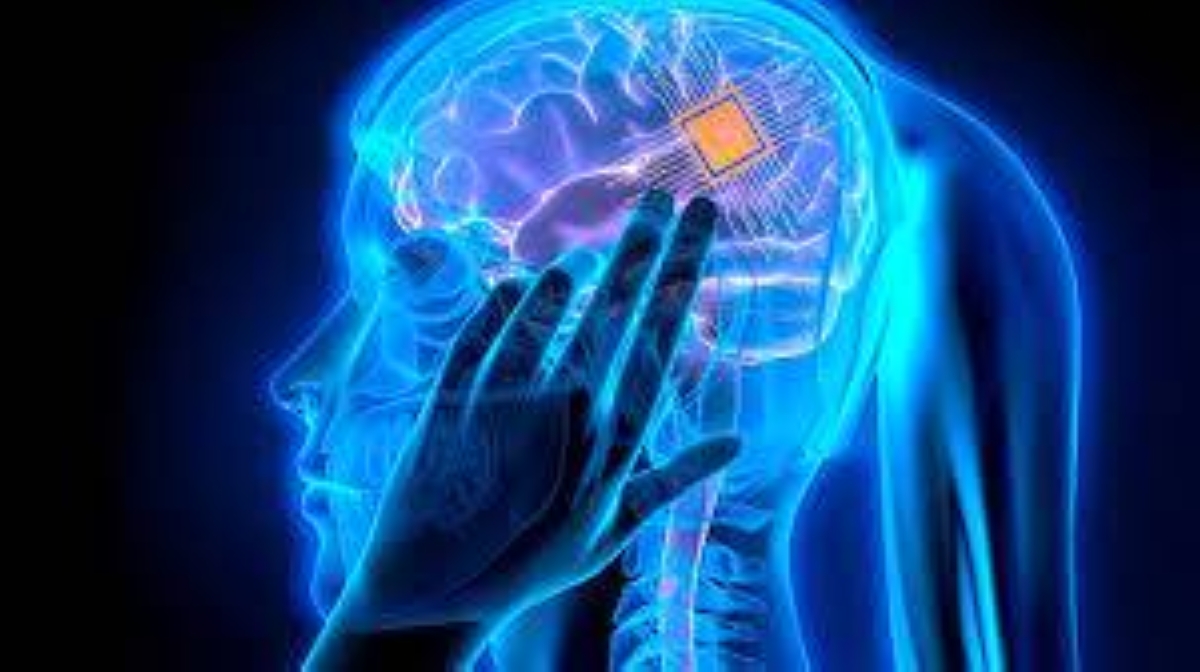
في إنجاز علمي غير مسبوق، توصل باحثون في جامعة ستانفورد الأمريكية إلى تطوير شريحة تجريبية تُزرع في الدماغ، قادرة على قراءة الأفكار البشرية وتحويلها إلى نصوص مكتوبة بنسبة دقة وصلت إلى 74% في الاختبارات الأولية.
وتمثل هذه التقنية، التي تعتمد على واجهة دماغية-حاسوبية، خطوة ثورية قد تغير حياة الأشخاص غير القادرين على الكلام أو الذين يعانون من إعاقات حركية شديدة، مثل مرضى التصلب الجانبي الضموري أو الجلطات الدماغية.
وتعمل الشريحة، التي طُورت تحت إشراف الباحث فرانك ويليت، مساعد أستاذ جراحة المخ والأعصاب، من خلال زرع مصفوفات دقيقة من الأقطاب الكهربائية في قشرة الدماغ الحركية، وهي المنطقة المسؤولة عن التحكم بالحركات، بما في ذلك تلك المرتبطة بالكلام، وتستطيع هذه الأقطاب تسجيل أنماط النشاط العصبي الناتجة عن «الكلام الداخلي» أي الأفكار اللغوية الصامتة التي لا يتم نطقها.
ومن خلال استخدام خوارزميات الذكاء الاصطناعي، تتم ترجمة هذه الإشارات إلى كلمات وجمل مكتوبة في الزمن الفعلي، وشارك في التجربة، أربعة أشخاص يعانون من شلل شديد، إذ أظهرت النتائج أن الشريحة قادرة على فك شفرة الجُمل التي يفكرون بها دون الحاجة إلى محاولة النطق، مما يقلل من الإجهاد البدني والصوتي المرتبط بمحاولات الكلام لدى المرضى.
ومع ذلك، أشار الباحثون إلى أن دقة فك الشفرة للكلام الداخلي لا تزال أقل من دقة فك الكلام المحاول، لكنهم يرون في هذه النتائج دليلاً مبدئياً على إمكانية استعادة التواصل السريع والمريح للأشخاص المصابين بالشلل، ولمعالجة التحديات الأخلاقية المتعلقة بخصوصية الأفكار، طوّر الفريق نظام حماية مبتكر يعتمد على كلمة مرور عقلية، مثل عبارة «chitty chitty bang bang» التي يجب أن يفكر بها المستخدم لتفعيل الشريحة، مما يمنع تسرب الأفكار غير المقصودة.
وأكد الباحثون أن هذه التقنية لا تزال في مراحلها التجريبية، لكنهم يتوقعون أن تحسينات في الأجهزة، مثل زيادة عدد الخلايا العصبية المسجلة وتطوير أنظمة لاسلكية، ستعزز دقة الشريحة وتجعلها أكثر عملية في المستقبل القريب، كما يخطط الفريق لاستكشاف مناطق دماغية أخرى، مثل تلك المرتبطة باللغة والسمع، لتحسين جودة فك شفرة الكلام الداخلي.
ويفتح هذا الإنجاز، الذي نُشر في مجلة «Cell» الشهر الجاري آفاقاً جديدة لتطوير تقنيات تساعد على استعادة التواصل الطبيعي للأشخاص ذوي الإعاقات الشديدة، مع الحفاظ على خصوصيتهم العقلية، ويُعد هذا العمل جزءاً من جهود تعاونية مع جامعات أخرى، مثل إيموري وجورجيا تك، ضمن إطار اتحاد BrainGate لأبحاث واجهات الدماغ الحاسوبية.
In an unprecedented scientific achievement, researchers at Stanford University have developed an experimental chip implanted in the brain, capable of reading human thoughts and converting them into written text with an accuracy rate of 74% in initial tests.
This technology, which relies on a brain-computer interface, represents a revolutionary step that could change the lives of individuals who are unable to speak or who suffer from severe motor disabilities, such as patients with amyotrophic lateral sclerosis or strokes.
The chip, developed under the supervision of researcher Frank Willett, Assistant Professor of Neurosurgery, works by implanting fine arrays of electrodes in the motor cortex, the area responsible for controlling movements, including those associated with speech. These electrodes can record patterns of neural activity resulting from "internal speech," meaning silent linguistic thoughts that are not spoken.
By using artificial intelligence algorithms, these signals are translated into written words and sentences in real-time. The experiment involved four individuals suffering from severe paralysis, and the results showed that the chip was able to decode the sentences they were thinking of without the need to attempt to speak, thereby reducing the physical and vocal strain associated with speech attempts in patients.
However, the researchers noted that the accuracy of decoding internal speech is still lower than that of decoding attempted speech, but they see these results as preliminary evidence of the potential to restore quick and comfortable communication for individuals with paralysis. To address the ethical challenges related to the privacy of thoughts, the team developed an innovative protection system based on a mental password, such as the phrase “chitty chitty bang bang” that the user must think of to activate the chip, preventing the leakage of unintended thoughts.
The researchers confirmed that this technology is still in its experimental stages, but they expect that improvements in hardware, such as increasing the number of recorded neurons and developing wireless systems, will enhance the chip's accuracy and make it more practical in the near future. The team also plans to explore other brain areas, such as those related to language and hearing, to improve the quality of internal speech decoding.
This achievement, published in the journal “Cell” this month, opens new horizons for developing technologies that help restore natural communication for individuals with severe disabilities while maintaining their mental privacy. This work is part of collaborative efforts with other universities, such as Emory and Georgia Tech, within the framework of the BrainGate consortium for brain-computer interface research.