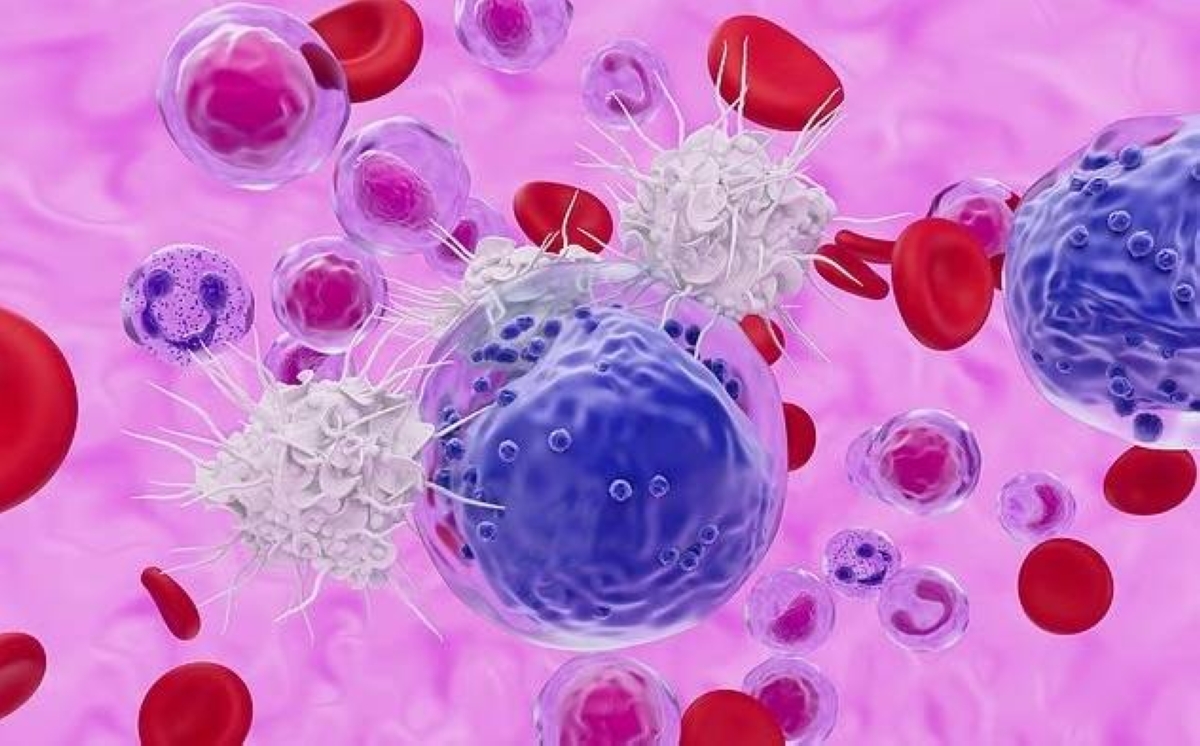
كشفت دراسة حديثة أجراها باحثون في مايو كلينك بالولايات المتحدة الأمريكية، اكتشافاً مثيراً حول الجهاز المناعي لدى كبار السن، إذ وجد الباحثون أن بعض الأشخاص الذين تزيد أعمارهم على 60 عاماً يمتلكون جهازاً مناعياً يتميز بـ«شباب المناعة»؛ بفضل خلايا مناعية خاصة تُعرف بالخلايا التائية الشبيهة بالجذعية (Stem-like T cells).
وبحسب الدراسة، فإن هذه الخلايا تُعزز قوة الجهاز المناعي وقد تساهم في إطالة العمر، لكنها قد تزيد من مخاطر الإصابة بالأمراض المناعية الذاتية، مثل التهاب الشرايين الخلوي العملاق.
وتُسلط الدراسة الأمريكية، المنشورة في مجلة «Nature Aging» الضوء على التوازن الدقيق بين فوائد المناعة الشابة ومخاطرها.
تتبع الباحثون أكثر من 100 شخص فوق سن الـ60، وهم مرضى يتلقون العلاج في مايو كلينك لالتهاب الشرايين الخلوي العملاق، وهو مرض مناعي ذاتي يؤثر على الشرايين، بما في ذلك الشريان الأورطي، ووجد الباحثون في الأنسجة المصابة خلايا تائية شبيهة بالجذعية، وهي خلايا مناعية تعمل كخلايا جذعية شابة تساعد عادةً في التجديد والشفاء، وفي هذه الحالة كانت هذه الخلايا تُسهم في نشر المرض.
وأوضحت الدكتورة كورنيليا وياند، اختصاصية الروماتيزم ووظائف الخلايا المناعية في مايو كلينك ومؤلفة مشاركة في الدراسة، أن هؤلاء المرضى يمتلكون جهازاً مناعياً شاباً بشكل ملحوظ رغم أعمارهم التي تراوح بين الستينيات والسبعينيات، لكن هذا الشباب المناعي يأتي بثمن، وهو الإصابة بالمناعة الذاتية، إذ يهاجم الجهاز المناعي الأنسجة والأعضاء السليمة عن طريق الخطأ.
وأشار الدكتور يورغ غورونزي، اختصاصي شيخوخة الجهاز المناعي في مايو كلينك ومؤلف مشارك في الدراسة، إلى أن شيخوخة الجهاز المناعي ليست بالضرورة سلبية، بل قد تكون آلية تكيفية متطورة تمنع الأمراض المناعية الذاتية.
وأوضح أن الجهاز المناعي الذي يتقدم في العمر مع الجسم يقلل من احتمالية مهاجمة الأنسجة السليمة، بينما الجهاز المناعي «الشاب» قد يتسبب في ردود فعل مفرطة تؤدي إلى أمراض مثل التهاب الشرايين.
وأظهرت الدراسة أن مثبطات نقاط التفتيش المناعية، التي تُنظم عمل الجهاز المناعي، لا تعمل بشكل صحيح لدى هؤلاء المرضى، مما يزيد من تعقيد الحالة.
ويعمل الباحثون حالياً على تطوير اختبارات تشخيصية جديدة لتحديد الأفراد الذين يحملون أعداداً كبيرة من الخلايا التائية الشبيهة بالجذعية، والذين قد يكونون أكثر عرضة للإصابة بالأمراض المناعية الذاتية في وقت لاحق من حياتهم.
وتتزامن هذه الدراسة مع توقعات عالمية بارتفاع متوسط العمر المتوقع إلى 78.1 عام بحلول عام 2050، بزيادة 4.5 سنة، وفقاً لدراسة نشرتها مجلة The Lancet Public Health.
ويعزى هذا الارتفاع إلى تحسينات في الرعاية الصحية، التي تُقلل من الأمراض القلبية الوعائية والتغذوية والعدوى. ومع ذلك، تُشير الدراسة إلى أهمية مواجهة عوامل الخطر مثل ارتفاع ضغط الدم ومؤشر كتلة الجسم لدعم هذا الاتجاه.
A recent study conducted by researchers at the Mayo Clinic in the United States has revealed an exciting discovery about the immune system in older adults. The researchers found that some individuals over the age of 60 possess an immune system characterized by "immune youth," thanks to special immune cells known as Stem-like T cells.
According to the study, these cells enhance the strength of the immune system and may contribute to longevity, but they may also increase the risk of autoimmune diseases, such as giant cell arteritis.
The American study, published in the journal Nature Aging, highlights the delicate balance between the benefits and risks of youthful immunity.
The researchers tracked more than 100 individuals over the age of 60, who are patients receiving treatment at the Mayo Clinic for giant cell arteritis, an autoimmune disease that affects the arteries, including the aorta. The researchers found stem-like T cells in the affected tissues, which are immune cells that act like young stem cells that typically help in regeneration and healing; in this case, these cells contributed to disease spread.
Dr. Cornelia Weyand, a rheumatologist and immune cell function specialist at the Mayo Clinic and a co-author of the study, explained that these patients have a remarkably youthful immune system despite their ages ranging from the sixties to seventies. However, this immune youth comes at a cost, which is the risk of autoimmunity, as the immune system mistakenly attacks healthy tissues and organs.
Dr. Jörg Goronzy, an immunosenescence specialist at the Mayo Clinic and a co-author of the study, pointed out that aging of the immune system is not necessarily negative; rather, it may be an adaptive mechanism that prevents autoimmune diseases.
He explained that an aging immune system reduces the likelihood of attacking healthy tissues, while a "young" immune system may cause excessive reactions leading to diseases such as arteritis.
The study showed that immune checkpoint inhibitors, which regulate immune system activity, do not function properly in these patients, complicating their condition.
Researchers are currently working on developing new diagnostic tests to identify individuals who carry large numbers of stem-like T cells and who may be more susceptible to autoimmune diseases later in life.
This study coincides with global predictions that the average life expectancy will rise to 78.1 years by 2050, an increase of 4.5 years, according to a study published in The Lancet Public Health.
This increase is attributed to improvements in healthcare, which reduce cardiovascular, nutritional, and infectious diseases. However, the study emphasizes the importance of addressing risk factors such as high blood pressure and body mass index to support this trend.