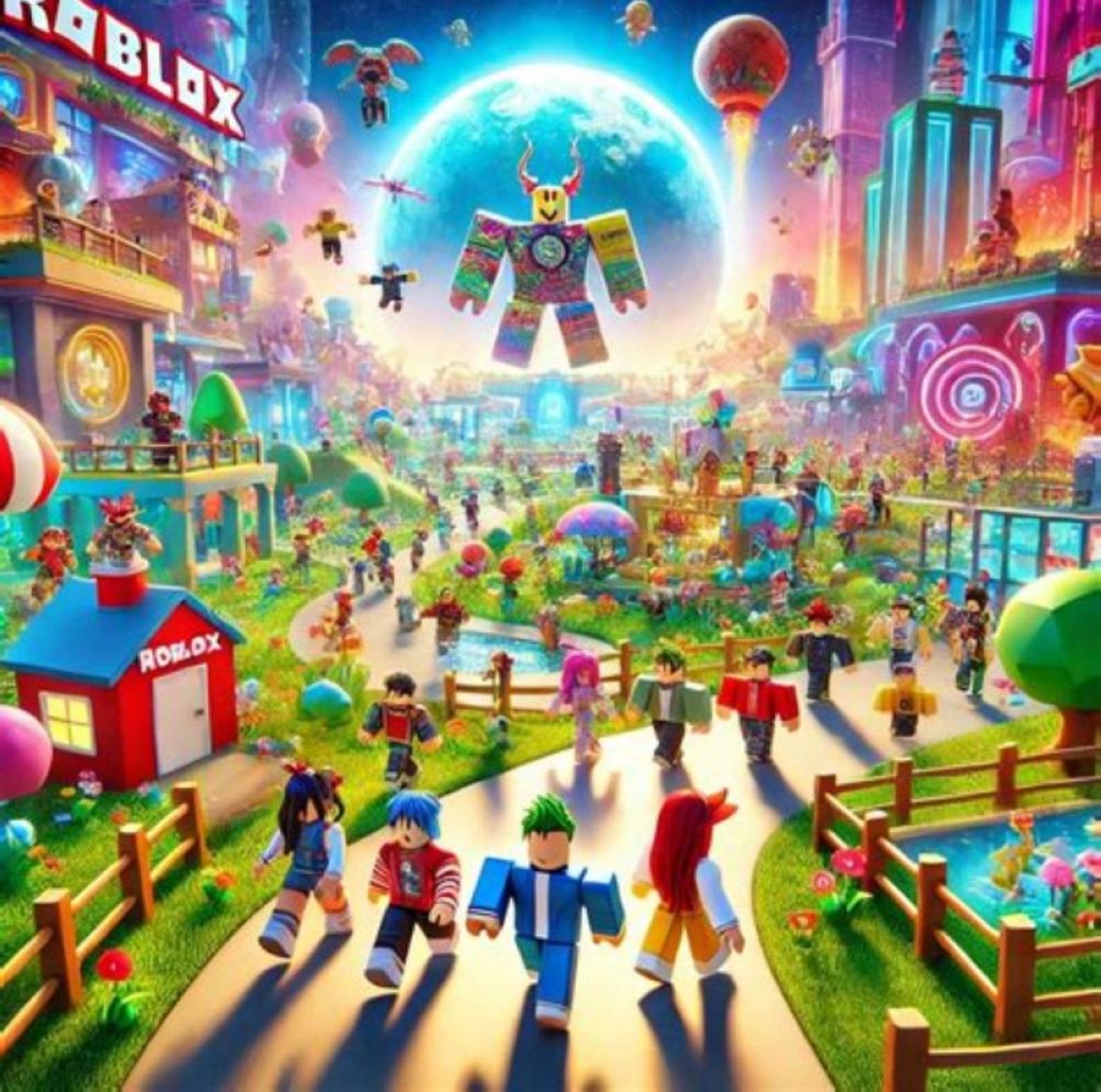
انطلقت منصة Roblox عام 2006، لكنها لم تبلغ ذروة شهرتها إلا بعد عام 2016، قبل أن تتحول خلال جائحة كورونا في عام 2020 إلى واحدة من أكبر المنصات التفاعلية في العالم. ارتفع عدد لاعبيها من 115 مليوناً شهرياً إلى أكثر من 200 مليون، ووصلت في منتصف 2025 إلى نحو 380 مليون لاعب شهرياً، معظمهم من الفئة العمرية بين 9 و15 سنة.
رغم ألوانها الزاهية وشخصياتها البسيطة التي توحي بأنها مساحة لعب آمنة، تحمل «Roblox» في طياتها عالماً مفتوحاً أكثر تعقيداً مما يبدو على السطح. تقوم فكرتها على منح المستخدمين حرية شبه مطلقة في تصميم عوالمهم الافتراضية وألعابهم الخاصة باستخدام أدوات برمجية سهلة تتيح لأي شخص إنشاء بيئات لعب كاملة والتحكم في قوانينها ومحتواها. هذه الحرية أنتجت مئات الآلاف من التجارب التعليمية والمغامرات الترفيهية التي ساعدت على تنمية الخيال والتعاون بين اللاعبين، لكنها في الوقت نفسه سمحت بظهور محتوى لا يتناسب مع الفئة العمرية الأصغر، ويراوح بين مشاهد عنف مفرط وتحديات ذات طابع متهور أو سلبي.
خلال الأشهر الأخيرة، أصبحت المنصة محور جدل متزايد بعد انتشار مقاطع مصورة على مواقع التواصل الاجتماعي أظهرت غرفاً افتراضية مغلقة يديرها لاعبون مجهولون، إذ تحدث تفاعلات غير ملائمة، وأحياناً سيناريوهات لعب تحاكي سلوكيات عدوانية أو محفوفة بالمخاطر. بعض هذه الغرف تستخدم أدوات «Roblox» لإنشاء بيئات تبدو في ظاهرها ألعاب مغامرة، لكنها تحتوي على رسائل أو ممارسات تتعارض مع القيم الأسرية والأخلاقية.
المقلق أن هذه المحتويات لا تتركز في مكان واحد تسهل مراقبته، بل تنتشر داخل ملايين العوالم التي ينشئها اللاعبون يومياً، ما يجعل من الصعب على فرق المراقبة رصد كل ما يجري حتى مع وجود أنظمة الإبلاغ. ويرى خبراء سلامة الإنترنت أن طبيعة التفاعل الفوري بين اللاعبين، وغياب الفلترة الصارمة للمحادثات أو السلوكيات أثناء اللعب، يفتح المجال أمام مواقف غير متوقعة للأطفال، بدءاً من التعرض لمحتوى غير مناسب، ووصولاً إلى التواصل مع أشخاص غرباء.
هذه الفجوة بين الصورة المثالية التي تسوّقها الشركة والواقع الفعلي داخل المنصة دفعت بعض الدول حول العالم مثل:عمان تركيا و قطر و الصين إلى فرض قيود أو حظر «Roblox» بالكامل، في محاولة لحماية الأطفال والمراهقين من المحتوى المثير للجدل والمخاطر المرتبطة بالتفاعل المفتوح في بيئة يصعب ضبطها.
Roblox launched in 2006, but it didn't reach the peak of its popularity until after 2016, before transforming during the COVID-19 pandemic in 2020 into one of the largest interactive platforms in the world. The number of its players rose from 115 million monthly to over 200 million, reaching around 380 million monthly players by mid-2025, most of whom are aged between 9 and 15 years.
Despite its bright colors and simple characters that suggest a safe play space, Roblox contains a more complex open world than it appears on the surface. Its concept is based on granting users nearly absolute freedom to design their virtual worlds and their own games using easy-to-use programming tools that allow anyone to create complete play environments and control their rules and content. This freedom has produced hundreds of thousands of educational experiences and entertaining adventures that have helped foster imagination and collaboration among players, but at the same time, it has allowed for the emergence of content that is not suitable for younger audiences, ranging from scenes of excessive violence to reckless or negative challenges.
In recent months, the platform has become the center of increasing controversy after videos circulated on social media showing closed virtual rooms run by anonymous players, where inappropriate interactions occur, and sometimes gameplay scenarios mimic aggressive or risky behaviors. Some of these rooms use Roblox tools to create environments that appear to be adventure games on the surface, but contain messages or practices that contradict family and moral values.
What is concerning is that this content is not concentrated in one place that is easy to monitor, but rather spreads across millions of worlds created by players daily, making it difficult for monitoring teams to track everything that happens even with reporting systems in place. Internet safety experts believe that the nature of real-time interaction between players, along with the lack of strict filtering of conversations or behaviors during play, opens the door to unexpected situations for children, ranging from exposure to inappropriate content to communication with strangers.
This gap between the ideal image marketed by the company and the actual reality within the platform has led some countries around the world, such as Oman, Turkey, Qatar, and China, to impose restrictions or completely ban Roblox in an attempt to protect children and teenagers from controversial content and the risks associated with open interaction in an environment that is difficult to regulate.