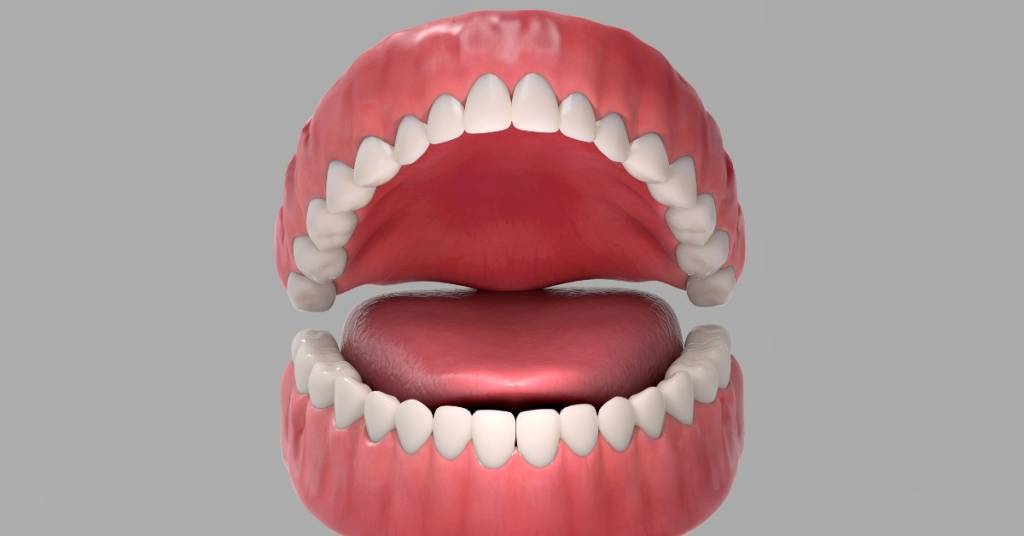
نجح فريق من العلماء في ابتكار أول لسان اصطناعي قادر على تذوق النكهات وتذكرها، في خطوة تحاكي آلية عمل براعم التذوق واللسان البشري. وطوّر الابتكار المركز الوطني لعلوم وتكنولوجيا النانو في الصين، ونُشرت تفاصيله في مجلة الأكاديمية الوطنية للعلوم (PNAS).
يعمل اللسان الاصطناعي في بيئة سائلة بالكامل، مستعينًا بأغشية أكسيد الجرافين فائقة الرقة المزوّدة بقنوات مجهرية تُبطئ حركة الأيونات، ما يطيل مدة احتفاظه بـ«ذاكرة» النكهة من أجزاء من الثانية إلى نحو 140 ثانية، على غرار تذوق رشفة من النبيذ بدلًا من تمريرها سريعًا على اللسان.
وفي الاختبارات، تمكن الجهاز من تمييز النكهات الأساسية (الحلوة والحامضة والمالحة والمرة) بدقة تراوحت بين 72.5% و87.5%، فيما وصلت دقته إلى 96% عند تحليل مشروبات معقدة مثل القهوة أو الكوكاكولا. ويقول البروفيسور يونغ يان، المشارك في البحث، إن الجهاز قادر على استشعار بيئته ومعالجة البيانات داخل السائل نفسه، في محاكاة لعمل الجهاز العصبي.
وعلى عكس أنظمة التذوق الإلكترونية التقليدية التي تعتمد على حاسوب خارجي، يدمج هذا اللسان عملية الاستشعار والمعالجة داخل السائل ذاته، ما يقرّبه من تقنيات الحوسبة العصبية الشكلية التي تحاكي قدرة الدماغ على التعلم والتكيف.
التطبيقات المحتملة لهذا الابتكار واسعة، بدءًا من فحوصات سلامة الأغذية وجودة المشروبات في المصانع، إلى الكشف المبكر عن الأمراض عبر تحليل اللعاب، وصولًا إلى مراقبة جودة المياه في المناطق النائية. كما قد يشكّل أملًا جديدًا لمن فقدوا حاسة التذوق بعد إصابة عصبية أو سكتة دماغية.
ورغم إمكاناته، يواجه الجهاز تحديات تقنية، منها حجمه الكبير واستهلاكه المرتفع للطاقة، ما يتطلب مزيدًا من التطوير قبل أن يصبح منتجًا عمليًا. ويتوقع الباحثون إمكانية تحويله من نموذج مختبري إلى أداة تجارية خلال عقد من الزمن، فاتحين الباب أمام ثورة في فهم النكهة وتجربتها.
A team of scientists has succeeded in creating the first artificial tongue capable of tasting flavors and remembering them, in a step that mimics the functioning of taste buds and the human tongue. The innovation was developed by the National Center for Nanoscience and Technology in China, and its details were published in the Proceedings of the National Academy of Sciences (PNAS).
The artificial tongue operates entirely in a liquid environment, utilizing ultra-thin graphene oxide membranes equipped with microchannels that slow down the movement of ions, extending its "memory" of flavor from fractions of a second to about 140 seconds, similar to savoring a sip of wine rather than quickly passing it over the tongue.
In tests, the device was able to distinguish basic flavors (sweet, sour, salty, and bitter) with an accuracy ranging from 72.5% to 87.5%, while its accuracy reached 96% when analyzing complex beverages like coffee or Coca-Cola. Professor Yong Yan, a participant in the research, states that the device is capable of sensing its environment and processing data within the liquid itself, simulating the functioning of the nervous system.
Unlike traditional electronic tasting systems that rely on an external computer, this tongue integrates the sensing and processing within the liquid itself, bringing it closer to neuromorphic computing technologies that mimic the brain's ability to learn and adapt.
The potential applications for this innovation are vast, ranging from food safety inspections and beverage quality in factories to early disease detection through saliva analysis, and even monitoring water quality in remote areas. It may also represent a new hope for those who have lost their sense of taste due to nerve injury or stroke.
Despite its potential, the device faces technical challenges, including its large size and high energy consumption, which require further development before it can become a practical product. Researchers anticipate the possibility of transforming it from a laboratory model into a commercial tool within a decade, opening the door to a revolution in understanding and experiencing flavor.