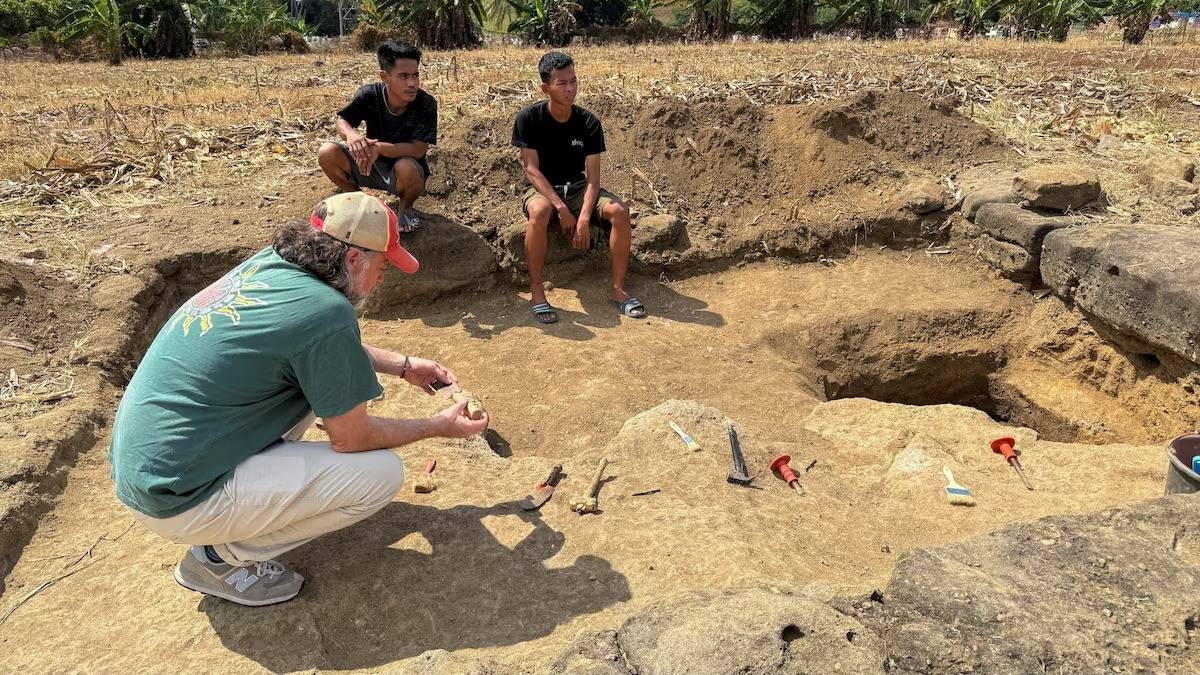
اكتشف فريق من علماء الآثار الأستراليين والإندونيسيين أدوات حجرية في جزيرة سولاويزي بإندونيسيا، قد تُشكل دليلا على وجود بشر قبل 1.5 مليون عام في منطقة والاسيا، وهي أقدم بقايا بشرية معروفة في هذه المنطقة الواقعة بين آسيا وأستراليا.
عُثر على هذه الأدوات الصغيرة المشطوفة، التي كانت تُستخدم لقطع الحيوانات الصغيرة ونحت الصخور، تحت التربة في منطقة سوبينغ بجنوب سولاويزي.
وأظهرت التحاليل الإشعاعية للأدوات وأسنان الحيوانات المكتشفة في الموقع أن عمرها يصل إلى 1.48 مليون عام. ووفقا لمقال نُشر في مجلة «نيتشر» في أغسطس 2025، قد تغير هذه النتائج النظريات المتعلقة بهجرات الإنسان المبكرة.
وكان يُعتقد سابقا أن البشر القدماء من نوع «هومو إريكتوس» استقروا فقط في جزيرتي فلوريس بالفلبين وجزيرة لوزون بإندونيسيا منذ حوالى 1.02 مليون عام، نظرا لافتراض عجزهم عن السفر البحري لمسافات طويلة، لكن الاكتشاف في سولاويزي يشير إلى قدرتهم على عبور فجوات بحرية كبيرة قبل مليون عام على الأقل.
بدوره، أوضح عالم الآثار الرئيسي من جامعة غريفيث في كوينزلاند، بأستراليا آدم بروم، أن هذه الأدوات صُنعت بواسطة بشر قدماء عاشوا قبل تطور نوعنا «هومو سابينس».
وأضاف: «نعتقد أن «هومو إريكتوس» تمكن بطريقة ما من الانتقال من البر الآسيوي عبر فجوة محيطية كبيرة إلى جزيرة سولاويزي».
وتقع منطقة والاسيا في شرق إندونيسيا، وتضم جزرا مثل سولاويزي، لومبوك، فلوريس، وتيمور، وهي منطقة تحمل اسم عالم الطبيعة ألفريد راسل والاس الذي درس تنوعها البيولوجي.
ويُعد هذا الاكتشاف خطوة مهمة لفهم تاريخ الهجرات البشرية المبكرة، حيث يشير إلى أن البشر القدماء كانوا أكثر قدرة على التكيف والتنقل عبر البحار مما كان يُعتقد سابقا، ما يفتح آفاقا جديدة لدراسة تطور البشرية في هذه المنطقة الحيوية.
A team of Australian and Indonesian archaeologists discovered stone tools on the island of Sulawesi in Indonesia, which may provide evidence of human presence 1.5 million years ago in the Wallacea region, the oldest known human remains in this area located between Asia and Australia.
These small, chipped tools, which were used for cutting small animals and carving rocks, were found beneath the soil in the Subing area of South Sulawesi.
Radiometric analyses of the tools and animal teeth discovered at the site indicate that they are up to 1.48 million years old. According to an article published in the journal "Nature" in August 2025, these findings may change theories regarding early human migrations.
It was previously believed that ancient humans of the species "Homo erectus" only settled on the islands of Flores in the Philippines and Luzon in Indonesia about 1.02 million years ago, due to the assumption that they were incapable of long-distance maritime travel. However, the discovery in Sulawesi suggests their ability to cross large marine gaps at least a million years ago.
For his part, the lead archaeologist from Griffith University in Queensland, Australia, Adam Brumm, explained that these tools were made by ancient humans who lived before the evolution of our species "Homo sapiens."
He added, "We believe that 'Homo erectus' somehow managed to move from the Asian mainland across a large ocean gap to the island of Sulawesi."
The Wallacea region is located in eastern Indonesia and includes islands such as Sulawesi, Lombok, Flores, and Timor. It is named after the naturalist Alfred Russel Wallace, who studied its biological diversity.
This discovery is an important step in understanding the history of early human migrations, as it suggests that ancient humans were more capable of adapting and navigating across seas than previously thought, opening new avenues for studying human evolution in this vital region.