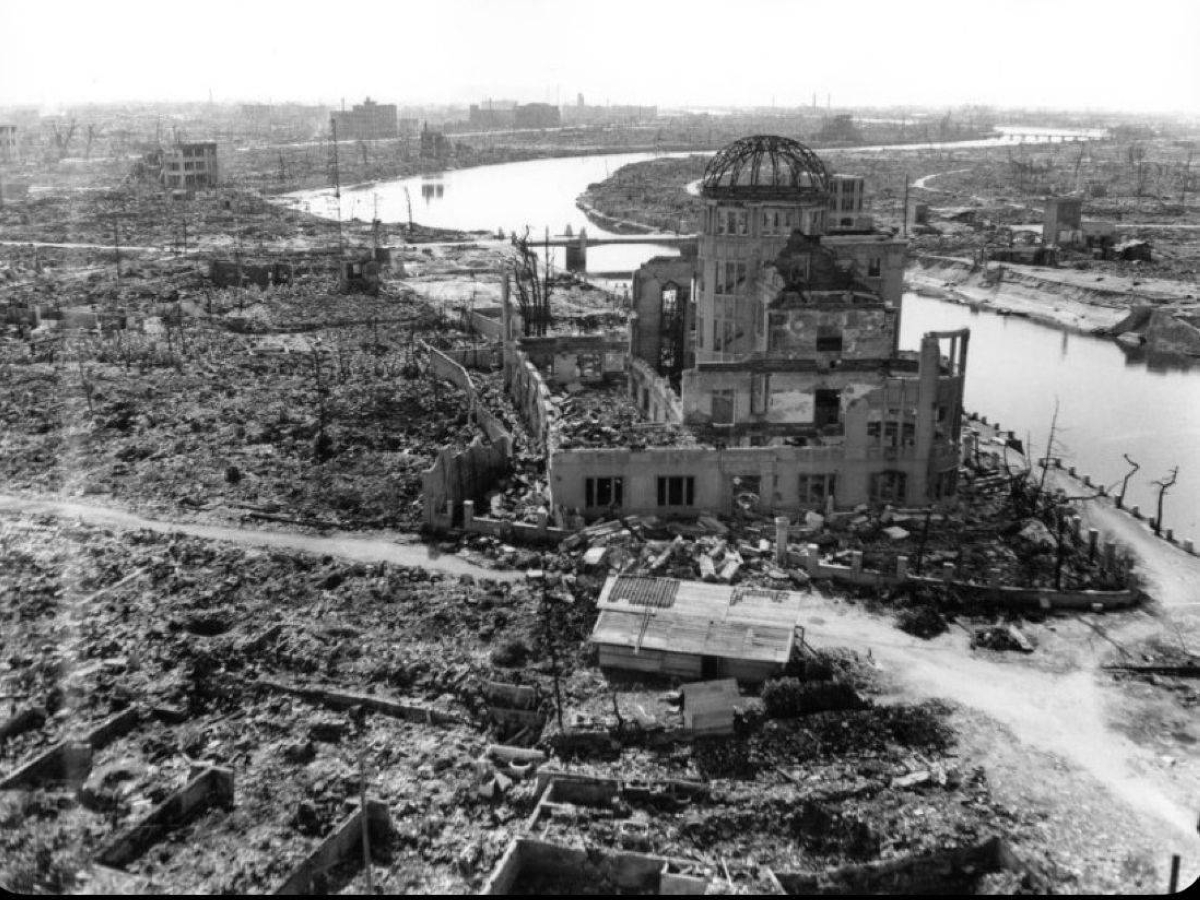
في مثل هذا اليوم قبل 80 عاماً، دخل العالم عصر السلاح النووي، حين ألقت الولايات المتحدة أول قنبلة ذرية على مدينة هيروشيما اليابانية. أسفر الانفجار عن دمار غير مسبوق وسقوط مئات الآلاف من الضحايا، ومهّد لنهاية الحرب العالمية الثانية خلال أيام.
القنبلة التي حملت اسم «Little Boy» أُسقطت من قاذفة أميركية من طراز B-29 تُدعى «Enola Gay»، وانفجرت على ارتفاع 600 متر فوق المدينة، بقوة تعادل 15 ألف طن من مادة تي إن تي.
تُقدّر الوفيات الفورية بنحو 70 ألف شخص، فيما تجاوز العدد الإجمالي للضحايا 140 ألفاً بنهاية عام 1945، نتيجة الإصابات والحروق والتعرض للإشعاع.
وتُظهر السجلات أن درجات الحرارة في مركز الانفجار بلغت أكثر من 4000 درجة مئوية، ما أدى إلى إذابة كل شيء ضمن دائرة التأثير، وتدمير نحو 90% من مباني المدينة.
أقرب مبنى إلى مركز الانفجار لا يزال قائماً حتى اليوم كموقع تذكاري مسجّل في قائمة التراث العالمي لليونسكو، يُعرف باسم «قبة هيروشيما» (A‑Bomb Dome)، وقد صمد جزئياً لأن القنبلة انفجرت مباشرة فوقه، ما جعل موجة الانفجار تضربه عمودياً من الأعلى، عوضاً عن التفجير الجانبي الذي دمر معظم الأبنية الأخرى. كما ساهم هيكله الخرساني والمعدني في تحمّل الضغط الحراري الهائل، رغم احتراقه من الداخل بالكامل.
بعد 3 أيام، في 9 أغسطس 1945، تعرّضت مدينة ناغازاكي لقصف نووي مماثل، ما دفع اليابان إلى إعلان استسلامها في 15 أغسطس، منهية الحرب العالمية الثانية رسمياً.
الناجون من الهجوم، المعروفون باسم «هيباكوشا»، عانوا على مدى عقود من آثار الإشعاع النووي، وظلّوا رموزاً للمعاناة والدعوة إلى السلام.
وتُحيي اليابان هذه الذكرى سنوياً في منتزه السلام بهيروشيما، بمشاركة محلية ودولية متزايدة، للتأكيد على مخاطر السلاح النووي والدعوة المستمرة إلى نزع انتشاره عالمياً.
On this day, 80 years ago, the world entered the nuclear age when the United States dropped the first atomic bomb on the Japanese city of Hiroshima. The explosion resulted in unprecedented destruction and the loss of hundreds of thousands of lives, paving the way for the end of World War II within days.
The bomb, named "Little Boy," was dropped from an American B-29 bomber called "Enola Gay," and exploded at an altitude of 600 meters above the city, with a force equivalent to 15,000 tons of TNT.
Immediate fatalities are estimated at around 70,000 people, while the total number of victims exceeded 140,000 by the end of 1945 due to injuries, burns, and radiation exposure.
Records show that temperatures at the center of the explosion reached over 4000 degrees Celsius, melting everything within the blast radius and destroying about 90% of the city's buildings.
The closest building to the center of the explosion still stands today as a memorial site registered on the UNESCO World Heritage List, known as the "Hiroshima Dome" (A‑Bomb Dome). It partially survived because the bomb exploded directly above it, causing the blast wave to strike it vertically from above, rather than the lateral explosion that destroyed most other buildings. Its concrete and metal structure also helped it withstand the immense thermal pressure, despite being completely burned from the inside.
Three days later, on August 9, 1945, the city of Nagasaki was subjected to a similar nuclear bombing, prompting Japan to announce its surrender on August 15, officially ending World War II.
Survivors of the attack, known as "Hibakusha," suffered for decades from the effects of nuclear radiation and remain symbols of suffering and a call for peace.
Japan commemorates this anniversary annually in the Hiroshima Peace Memorial Park, with increasing local and international participation, to emphasize the dangers of nuclear weapons and the ongoing call for global disarmament.