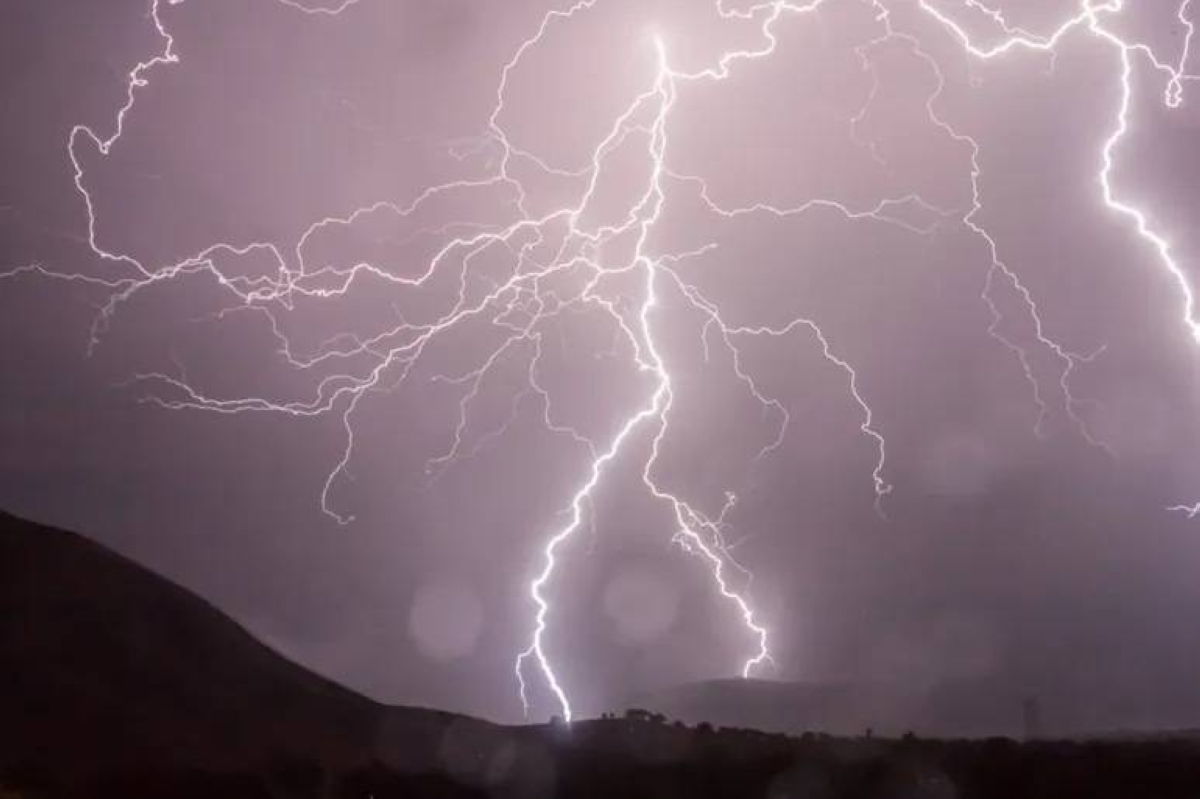
في ظاهرة فريدة، سجل العلماء أطول وميض برق أفقي في التاريخ، الذي امتد عبر سماء أمريكا الشمالية لمسافة 828 كيلومترًا، بدءًا من شرق ولاية تكساس وحتى مشارف مدينة كانساس. هذا الاكتشاف، الذي حطم الرقم القياسي العالمي لأطول برق أفقي، تم الكشف عنه أخيرا بعد مراجعة بيانات الأقمار الصناعية التي راقبت العاصفة. ويُعرف هذا النوع من البرق بـ«الميجا فلاش» أو البرق العملاق، وهو يحدث عندما يمتد الوميض على مسافة غير معتادة تفوق غالبية العواصف الرعدية.
وتحدث ظاهرة البرق بسبب تراكم الشحنات الكهربائية في السحب، حيث تتجمع الشحنات السالبة في أسفل السحابة، مما يؤدي إلى تفريغ كهربائي ضخم عبر الهواء. وعادة ما يمتد البرق التقليدي لمسافات أقل من 16 كيلومترًا، في حين أن البرق العملاق يمكن أن يتجاوز الـ 100 كيلومتر، وقد يطلق عدة فروع تصل إلى الأرض أثناء مروره أفقيًا في السماء.
ويتفوق الرقم القياسي الجديد على الرقم السابق الذي تم تسجيله في أبريل 2020، والذي بلغ 767 كيلومترًا. وقد تحقق هذا الاكتشاف بفضل الأجهزة المتطورة التي تحملها الأقمار الاصطناعية التي تراقب وتدون نحو مليون وميض برق يوميًا عبر الغلاف الجوي.
ويحذر العلماء من خطورة البرق الممتد، حيث يمكن أن يضرب مناطق تبعد عن العاصفة نفسها، مما يزيد من خطر الإصابات. ويُنصح بالانتظار 30 دقيقة أثناء العواصف قبل استئناف الأنشطة الخارجية، لأن الخطر لا يتوقف مع انقشاع الغيوم. وتستمر الدراسات حول هذه الظواهر الجوية المتطرفة، ومع تطور تقنيات الرصد الفضائي قد نكتشف المزيد من الظواهر الفائقة في المستقبل.
In a unique phenomenon, scientists recorded the longest horizontal lightning flash in history, which extended across the sky of North America for a distance of 828 kilometers, starting from East Texas to the outskirts of Kansas City. This discovery, which broke the world record for the longest horizontal lightning, was revealed after reviewing satellite data that monitored the storm. This type of lightning is known as "megaflash" or giant lightning, and it occurs when the flash extends over an unusual distance that exceeds the majority of thunderstorms.
The phenomenon of lightning occurs due to the accumulation of electrical charges in clouds, where negative charges gather at the bottom of the cloud, leading to a massive electrical discharge through the air. Traditional lightning usually extends for distances of less than 16 kilometers, while giant lightning can exceed 100 kilometers and may release several branches that reach the ground while passing horizontally through the sky.
The new record surpasses the previous record set in April 2020, which was 767 kilometers. This discovery was made possible thanks to advanced equipment carried by satellites that monitor and record nearly one million lightning flashes daily across the atmosphere.
Scientists warn of the dangers of extended lightning, as it can strike areas far from the storm itself, increasing the risk of injuries. It is advised to wait 30 minutes during storms before resuming outdoor activities, as the danger does not stop with the clearing of the clouds. Studies on these extreme weather phenomena continue, and with the advancement of space monitoring technologies, we may discover more extraordinary phenomena in the future.