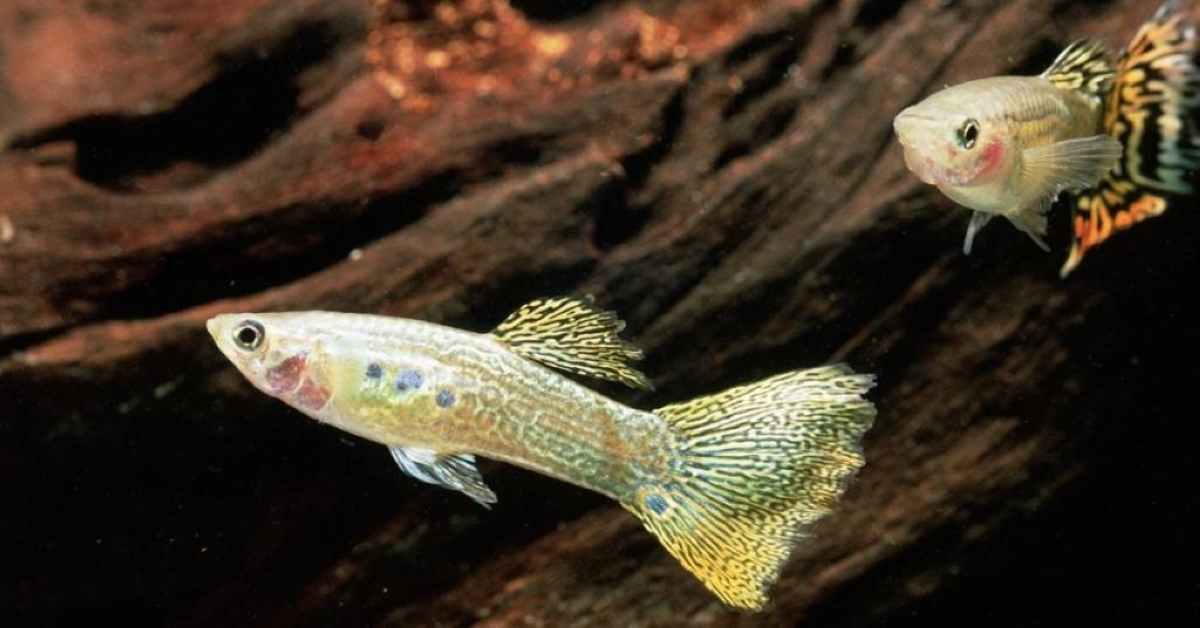
على الرغم من المياه الملوثة والرائحة الكريهة، تمكنت أسماك الجوبي (Poecilia reticulata) من الازدهار والبقاء على قيد الحياة في شبكة الصرف الصحي في أوكرانيا لأكثر من 40 عامًا. هذه الأسماك الاستوائية الصغيرة، التي عادةً ما تعيش في الأنهار الدافئة في فنزويلا والبرازيل، وجدت بيئة غير تقليدية في محطة معالجة مياه الصرف في كييف، حيث تكاثرت بنجاح في المياه الملوثة.
اكتشف العلماء هذه الظاهرة لأول مرة في محطة بورتنيتشيسكايا للتهوية في ثمانينيات القرن الماضي. ورغم الظروف المزعجة، أكدت عالمة الأسماك يوليا كوتسوكون أن الأسماك تعيش هناك على مدار العام وتتكاثر بنجاح، مما أثار دهشة الباحثين. وتكمن قدرة أسماك الجوبي على البقاء في هذه البيئة في قدرتها على التأقلم مع المياه الدافئة ذات التيار السريع الذي يوفر لها الأوكسجين الكافي.
وعادة ما تفضل أسماك الجوبي المياه النظيفة، ولكن في هذا السياق، اختارت المياه الملوثة في أوكرانيا بفضل تيارها القوي والحرارة المتوفرة. ومع ذلك، لا يمكن للأسماك العيش إلا في أجزاء القناة ذات التدفق السريع، في حين تتعرض للتهديد في المناطق ذات التيار الأبطأ حيث تتجمع الرواسب.
لقد صمدت أسماك الجوبي طوال هذه السنوات بفضل قدرتها على التكيف السريع مع البيئات المتغيرة. ومع ذلك، فقد بدأت أعدادها تتناقص في الآونة الأخيرة بسبب وجود السمكة المفترسة الغازية (روتان هيد)، التي بدأت تأكل أسماك الجوبي في القناة.
ورغم هذه التحديات، فإن قدرة هذه الأسماك على البقاء والتكاثر في شبكة الصرف الصحي الملوثة تعد بمثابة معجزة طبيعية تُظهر قدرة الحياة على التكيف في بيئات غير تقليدية، وتذكرنا بأن الحياة يمكن أن تجد مكانًا للازدهار حتى في أقسى الظروف.
ورغم أن معظم أسماك الزينة تموت فور التخلص منها في المجاري أو المرحاض، فإن أسماك الجوبي استطاعت بناء مجتمع كامل في هذه الظروف الصعبة. ومع أنها قد تكون غير ملائمة للكثيرين، إلا أنها تظل دليلاً على قدرة الحياة على الاستمرار والتكيف في الأماكن التي لا نتخيلها.
Despite the polluted waters and foul smell, guppy fish (Poecilia reticulata) have thrived and survived in the sewage system of Ukraine for over 40 years. These small tropical fish, which typically live in the warm rivers of Venezuela and Brazil, have found an unconventional environment in the wastewater treatment plant in Kyiv, where they have successfully reproduced in the contaminated waters.
Scientists first discovered this phenomenon at the Bortnychi aeration station in the 1980s. Despite the disturbing conditions, fish biologist Yulia Kotsukon confirmed that the fish live there year-round and reproduce successfully, which astonished researchers. The guppies' ability to survive in this environment lies in their adaptability to the warm, fast-flowing waters that provide them with sufficient oxygen.
Guppies typically prefer clean waters, but in this context, they have chosen the polluted waters of Ukraine due to its strong current and available warmth. However, the fish can only live in parts of the canal with fast flow, while they are threatened in areas with slower currents where sediments accumulate.
The guppies have endured all these years thanks to their rapid adaptability to changing environments. However, their numbers have recently begun to decline due to the presence of the invasive predatory fish (Ruffe), which has started to eat the guppies in the canal.
Despite these challenges, the ability of these fish to survive and reproduce in the contaminated sewage system is a natural miracle that demonstrates life's capacity to adapt in unconventional environments, reminding us that life can find a way to thrive even in the harshest conditions.
While most ornamental fish die immediately when discarded into drains or toilets, guppies have managed to build a complete community in these harsh conditions. Although they may be unsuitable for many, they remain a testament to life's ability to persist and adapt in places we cannot imagine.