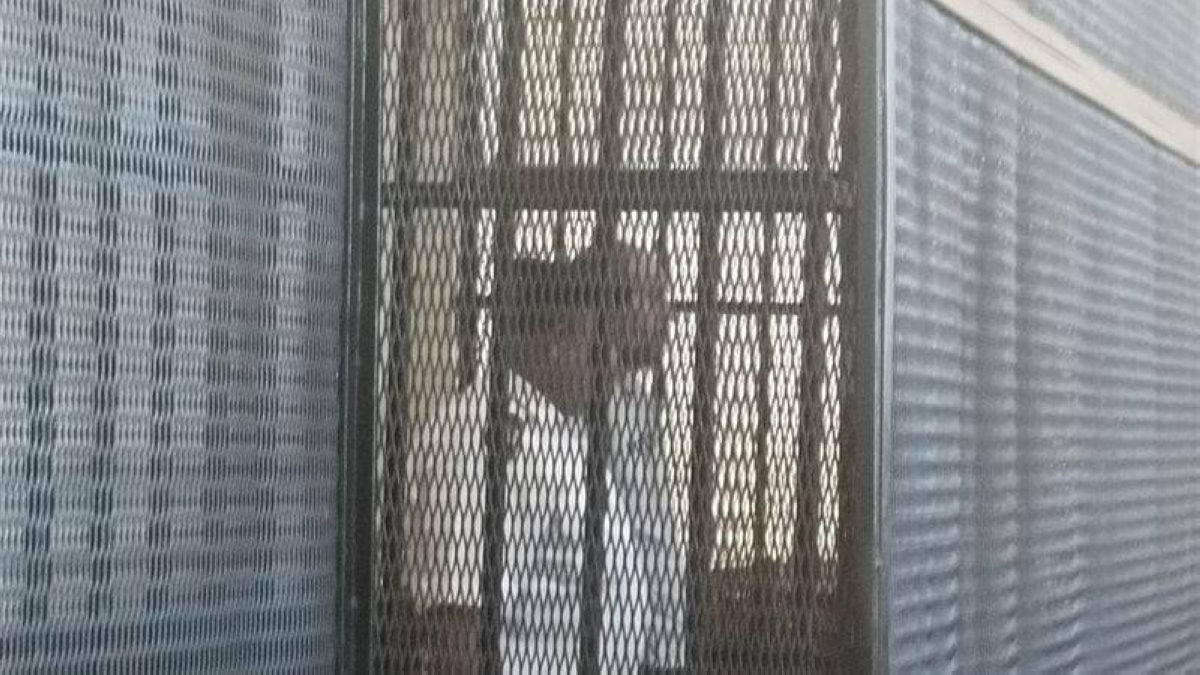
أصدرت محكمة جنايات الإسكندرية شمالي مصر، حكماً بالإعدام شنقاً على المتهم نصرالدين السيد المعروف إعلامياً بـ«سفاح المعمورة» بعد إدانته بارتكاب ثلاث جرائم قتل عمد مع سبق الإصرار، من بينها قتل زوجته.
وقضت المحكمة بالإعدام على «سفاح المعمورة» بعد ورود رأي مفتي الجمهورية الشرعي الذي أيد تنفيذ عقوبة الإعدام، وسط حضور أمني مشدد وتفاعل واسع من أسر الضحايا والرأي العام.
وصل المتهم صباح الأحد إلى محكمة جنايات الإسكندرية وسط إجراءات أمنية مشددة، لحضور جلسة النطق بالحكم، وبعد استعراض الأدلة ومرافعة النيابة، التي طالبت بتوقيع أقصى العقوبات، أصدرت المحكمة حكمها بالإعدام شنقاً، وهو الحكم الذي لاقى ترحيباً من أسر الضحايا الحاضرين في الجلسة.
وأثارت قضية «سفاح المعمورة» صدمة كبيرة في مصر منذ الكشف عنها، إذ اتُهم نصرالدين السيد، وهو محامٍ، بقتل ثلاثة أشخاص بينهم زوجته ودفن جثثهم تحت بلاط مسكنه في منطقة المعمورة بالإسكندرية.
وبدأت القضية عندما تلقت الأجهزة الأمنية بمديرية أمن الإسكندرية بلاغات تفيد باختفاء أشخاص، ما قاد إلى اكتشاف جرائم المتهم، ووفقاً لتحقيقات النيابة العامة فقد استغل المتهم مكانته كمحامٍ لخداع ضحاياه، مستخدماً أساليب التحايل والإكراه لتسهيل جرائم السرقة والقتل.
وخلال المحاكمة، قدمت النيابة العامة مرافعة قوية وصفت المتهم بأنه «احترف القانون ليستخدمه كأداة للجريمة»، مشيرة إلى خيانته أمانة مهنته واستغلاله ثقة ضحاياه، بمن في ذلك زوجته التي قتلها عمداً مع سبق الإصرار.
وأكد تقرير مستشفى العباسية للصحة النفسية الذي أُودع المتهم فيه لمدة 15 يوماً، سلامة قواه العقلية ومسؤوليته الكاملة عن أفعاله، ما مهد لإحالة أوراقه إلى مفتي الجمهورية في يونيو 2025 لاستطلاع الرأي الشرعي.
وكشفت التحقيقات عن تفاصيل مروعة إذ أقر المتهم في بعض جلسات المحاكمة بأن أشخاصاً آخرين كانوا على علم بالجرائم، مدعياً أن شاهدة في القضية كانت تمتلك مفتاح الشقة التي استخدمها لإخفاء الجثث، لكن النيابة أكدت أن هذه الادعاءات كانت محاولات للتضليل، مشيرة إلى أن المتهم يتسم بالكذب والمراوغة، إلى جانب تعاطيه الحشيش والكحوليات.
The Alexandria Criminal Court in northern Egypt issued a death sentence by hanging for the defendant Nasr El-Din El-Sayed, known in the media as the "Mammoura Killer," after convicting him of committing three premeditated murders, including the murder of his wife.
The court ruled the death penalty for the "Mammoura Killer" following the opinion of the Grand Mufti of the Republic, which supported the execution of the death penalty, amid heightened security and widespread reactions from the victims' families and public opinion.
The defendant arrived at the Alexandria Criminal Court on Sunday morning under strict security measures to attend the sentencing session. After reviewing the evidence and the prosecution's plea, which called for the maximum penalties, the court issued its death sentence by hanging, a ruling that was welcomed by the victims' families present in the session.
The case of the "Mammoura Killer" has caused a significant shock in Egypt since it was revealed, as Nasr El-Din El-Sayed, a lawyer, was accused of killing three people, including his wife, and burying their bodies under the tiles of his home in the Mammoura area of Alexandria.
The case began when the security authorities in the Alexandria Security Directorate received reports of missing persons, which led to the discovery of the defendant's crimes. According to the investigations by the Public Prosecution, the defendant exploited his position as a lawyer to deceive his victims, using fraud and coercion to facilitate theft and murder crimes.
During the trial, the Public Prosecution presented a strong plea describing the defendant as having "mastered the law to use it as a tool for crime," pointing out his betrayal of the trust of his profession and his exploitation of the trust of his victims, including his wife, whom he deliberately murdered with premeditation.
A report from the Abbassia Mental Health Hospital, where the defendant was held for 15 days, confirmed his mental soundness and full responsibility for his actions, paving the way for his case to be referred to the Grand Mufti of the Republic in June 2025 for legal opinion.
The investigations revealed horrific details, as the defendant admitted in some trial sessions that other individuals were aware of the crimes, claiming that a witness in the case had the key to the apartment he used to hide the bodies. However, the prosecution confirmed that these claims were attempts to mislead, indicating that the defendant is characterized by lying and evasion, in addition to using hashish and alcohol.