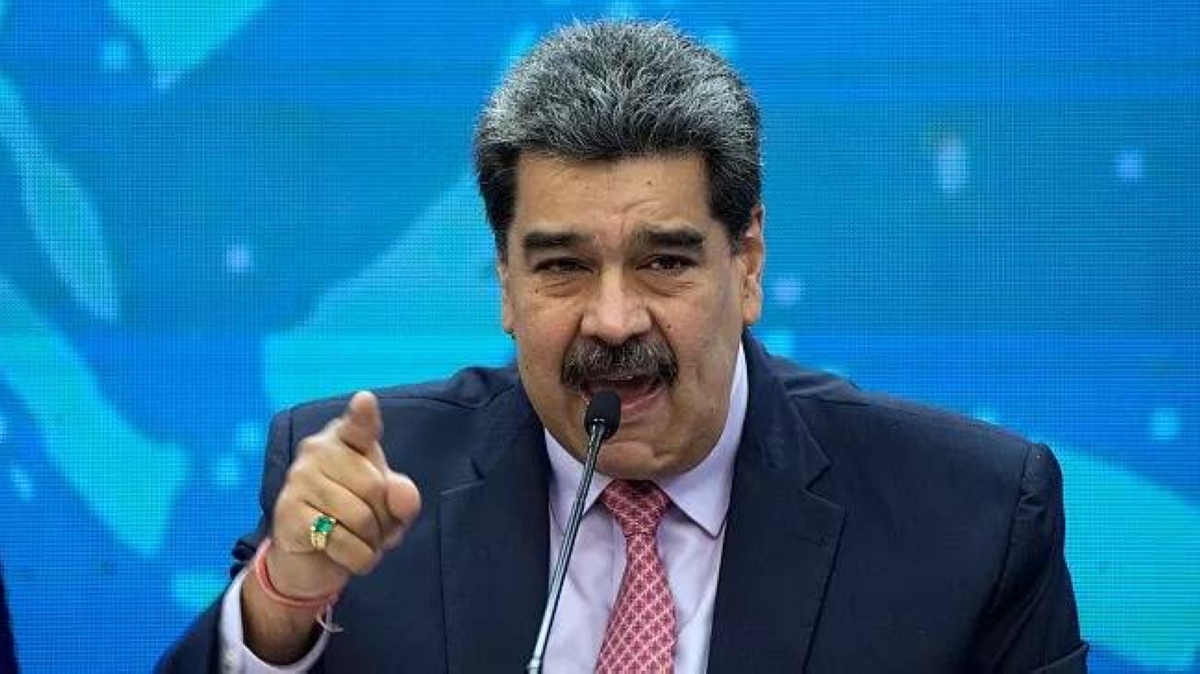
أعلنت وزارة الخزانة الأمريكية فرض عقوبات جديدة على مجموعة فنزويلية يُزعم أن الرئيس نيكولاس مادورو يقودها، متهمة إياها بدعم عصابات المخدرات الدولية. وصنّف مكتب مراقبة الأصول الأجنبية التابع للوزارة هذه المجموعة المعروفة باسم «كارتل الشمس» كياناً إرهابياً عالمياً.
ووفقاً لبيان وزارة الخزانة، تُتهم المجموعة بتقديم دعم مادي لعصابتي «ترين دي أراجوا» و«سينالوا»، وهما عصابتان إجراميتان كبيرتان تصنفهما الولايات المتحدة كجماعات إرهابية، وأشار البيان إلى أن المجموعة، التي يُزعم أن مادورو ومسؤولين فنزويليين كبار يقودونها، تلعب دوراً رئيسياً في تسهيل أنشطة تهريب المخدرات عبر الحدود.
تأتي هذه العقوبات في سياق توتر طويل الأمد بين الولايات المتحدة وفنزويلا، حيث فرضت واشنطن سلسلة عقوبات على مسؤولين وكيانات فنزويلية منذ وصول مادورو إلى السلطة في عام 2013 خلفاً لهوغو تشافيز، وتتهم الولايات المتحدة مادورو بقيادة نظام استبدادي يقمع المعارضة، ويعرقل الانتخابات النزيهة، ويتورط في أنشطة غير قانونية، بما في ذلك تجارة المخدرات.
وفي عام 2020، وجهت الولايات المتحدة اتهامات رسمية لمادورو ومسؤولين كبار بتهريب المخدرات، مع عرض مكافأة قدرها 15 مليون دولار للقبض عليه، كما فرضت الولايات المتحدة عقوبات على قطاع النفط الفنزويلي، وهو العمود الفقري لاقتصاد البلاد، بهدف الضغط على مادورو للتنحي.
وتتهم الولايات المتحدة «كارتل الشمس» بالتورط في شبكات تهريب المخدرات عبر الحدود، ما يساهم في زعزعة الاستقرار الإقليمي. وتأتي هذه العقوبات في أعقاب اتهامات متكررة لنظام مادورو بالفساد ودعم الجريمة المنظمة، وهي الاتهامات التي ينفيها مادورو بشدة، واصفاً إياها بـ«العدوان الإمبريالي» من قبل الولايات المتحدة.
وتشمل العقوبات تجميد الأصول في الولايات المتحدة، وحظر التعاملات المالية مع الأفراد والكيانات المستهدفة، ومن المتوقع أن تزيد هذه الخطوة الضغوط الاقتصادية على فنزويلا، التي تعاني بالفعل من أزمة اقتصادية حادة، مع ارتفاع معدلات التضخم ونقص المواد الأساسية.
وقال مسؤول بوزارة الخزانة الأمريكية: «إن هذه العقوبات تهدف إلى محاسبة نظام مادورو على دوره في دعم الجريمة المنظمة وزعزعة الاستقرار الإقليمي»، في المقابل، أدانت الحكومة الفنزويلية العقوبات، واصفة إياها بـ«العدوان غير القانوني»، وتعهد مادورو بالرد من خلال تعزيز العلاقات مع حلفاء مثل روسيا والصين.
The U.S. Treasury Department announced new sanctions against a Venezuelan group allegedly led by President Nicolás Maduro, accusing it of supporting international drug trafficking gangs. The department's Office of Foreign Assets Control designated this group, known as the "Cartel of the Sun," as a global terrorist entity.
According to the Treasury's statement, the group is accused of providing material support to the "Tren de Aragua" and "Sinaloa" gangs, both major criminal organizations classified by the United States as terrorist groups. The statement noted that the group, which Maduro and senior Venezuelan officials are said to lead, plays a key role in facilitating drug smuggling activities across borders.
These sanctions come amid a long-standing tension between the United States and Venezuela, with Washington imposing a series of sanctions on Venezuelan officials and entities since Maduro came to power in 2013 following Hugo Chávez. The United States accuses Maduro of leading an authoritarian regime that suppresses opposition, obstructs fair elections, and is involved in illegal activities, including drug trafficking.
In 2020, the United States formally charged Maduro and senior officials with drug trafficking, offering a reward of $15 million for his capture. The U.S. also imposed sanctions on the Venezuelan oil sector, the backbone of the country's economy, aiming to pressure Maduro to step down.
The United States accuses the "Cartel of the Sun" of being involved in cross-border drug trafficking networks, contributing to regional instability. These sanctions follow repeated accusations against Maduro's regime of corruption and support for organized crime, allegations that Maduro vehemently denies, describing them as "imperialist aggression" by the United States.
The sanctions include freezing assets in the United States and prohibiting financial transactions with targeted individuals and entities. This move is expected to increase economic pressures on Venezuela, which is already suffering from a severe economic crisis, with rising inflation rates and shortages of basic goods.
A U.S. Treasury official stated, "These sanctions aim to hold Maduro's regime accountable for its role in supporting organized crime and destabilizing the region." In response, the Venezuelan government condemned the sanctions, calling them "illegal aggression," and Maduro pledged to respond by strengthening ties with allies such as Russia and China.