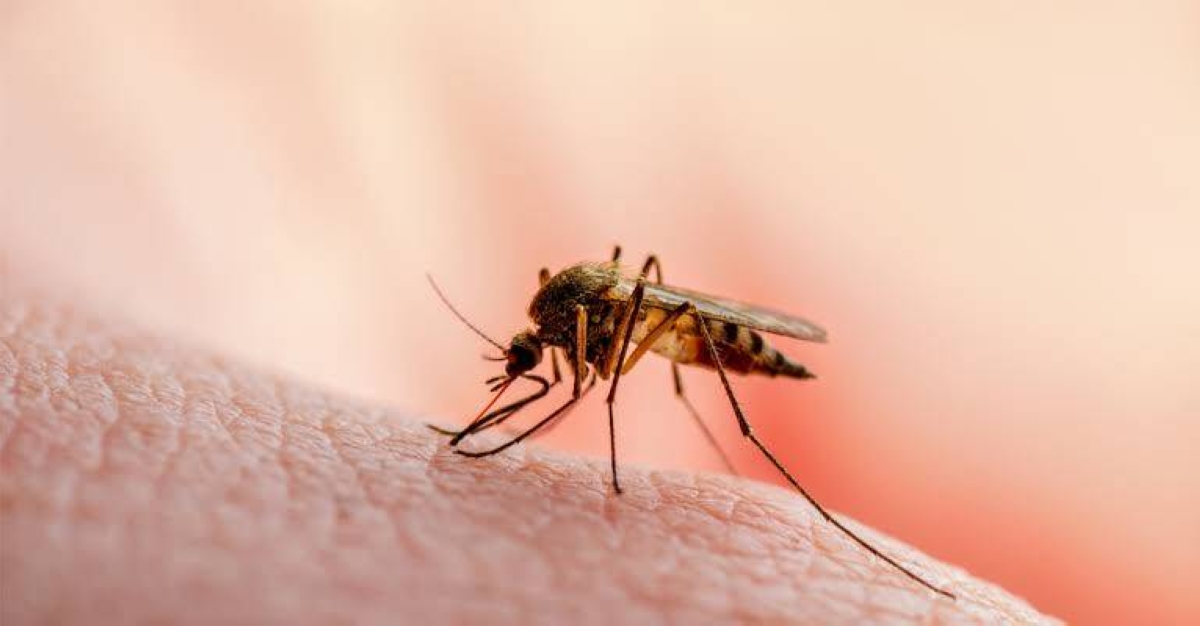
تشهد زيمبابوي موجة مقلقة من تفشي مرض الملاريا، حيث سجلت السلطات الصحية 115 بؤرة تفشٍ جديدة منذ بداية 2025، مقارنة ببؤرة واحدة فقط خلال العام الماضي، وهو ارتفاع حاد يأتي بعد سنوات من التقدم في مكافحة المرض، مدفوعا بانقطاع التمويل الأمريكي المخصص للبرامج الصحية، ما أدى إلى تدهور الجهود الوقائية والعلاجية في البلاد.
ووفقا لوزارة الصحة الزيمبابوية، ارتفعت حالات الإصابة بالملاريا بنسبة 180% خلال الأشهر الأربعة الأولى من 2025، إذ تم تسجيل أكثر من 119648 حالة إصابة حتى يونيو الماضي، كما قفزت الوفيات المرتبطة بالمرض بنسبة 218%، مع تسجيل 334 حالة وفاة في 2025 مقارنة بـ45 حالة في الفترة نفسها من العام الماضي. هذه الأرقام تعكس تراجعا خطيرا في مكافحة المرض الذي كان يُعتبر تحت السيطرة في السنوات السابقة.
وكانت الملاريا، وهي مرض طفيلي ينتقل عبر لدغات بعوضة الأنوفيلة، تشكل تهديدا صحيا كبيرا في زيمبابوي قبل أن تُحقق البلاد تقدما ملحوظا في السنوات الأخيرة بفضل برامج مثل «زينتو» التابع لجامعة أفريقيا، التي دعمتها الوكالة الأمريكية للتنمية الدولية (USAID) بتمويل يصل إلى 270 مليون دولار في 2024، انخفضت حالات الإصابة في إقليم مانيكالاند من 145775 في 2020 إلى 8035 في 2024.
ومع قرار الإدارة الأمريكية، بقيادة الرئيس دونالد ترمب، وقف التمويل في يناير الماضي، عادت الحالات للارتفاع بشكل مقلق، حيث سجل الإقليم 27212 إصابة في 2025، وأثر القرار الذي شمل وقف الدعم لأبحاث الملاريا والسل والإيدز، بشكل مباشر على توفير الأدوات الأساسية للوقاية، مثل الناموسيات المعالجة بالمبيدات الحشرية.
وأعلنت وزارة الصحة في مايو 2025 عن عجز قدره 600000 ناموسية، ما عرض مئات الآلاف من السكان لخطر الإصابة، كما أدى نقص التمويل إلى تعطيل برامج المراقبة الحشرية والأبحاث العلمية، ما زاد من صعوبة السيطرة على انتشار المرض.
وحذرت منظمة الصحة العالمية في مارس 2025 من أن توقف التمويل الأمريكي قد يؤدي إلى 107000 وفاة إضافية عالميا بسبب الملاريا في 2025، مشيرة إلى أن الولايات المتحدة كانت أكبر ممول ثنائي لبرامج مكافحة الملاريا، إذ ساهمت في منع 2.2 مليار إصابة و12.7 مليون وفاة على مدار العقدين الماضيين.
Zimbabwe is experiencing a concerning wave of malaria outbreaks, with health authorities reporting 115 new outbreak sites since the beginning of 2025, compared to only one outbreak last year. This sharp increase comes after years of progress in combating the disease, driven by the interruption of U.S. funding allocated for health programs, which has led to a deterioration of preventive and therapeutic efforts in the country.
According to the Zimbabwean Ministry of Health, malaria cases have risen by 180% during the first four months of 2025, with over 119,648 cases recorded by June, while deaths related to the disease surged by 218%, with 334 fatalities in 2025 compared to 45 in the same period last year. These figures reflect a serious setback in the fight against a disease that was considered under control in previous years.
Malaria, a parasitic disease transmitted through the bites of Anopheles mosquitoes, posed a significant health threat in Zimbabwe before the country made notable progress in recent years thanks to programs like "Zinto" from the University of Africa, which was supported by the U.S. Agency for International Development (USAID) with funding of up to $270 million in 2024. Cases in the Manicaland region dropped from 145,775 in 2020 to 8,035 in 2024.
However, with the decision by the U.S. administration, led by President Donald Trump, to halt funding last January, cases began to rise alarmingly again, with the region recording 27,212 infections in 2025. The decision, which included stopping support for malaria, tuberculosis, and HIV/AIDS research, directly impacted the availability of essential preventive tools, such as insecticide-treated bed nets.
In May 2025, the Ministry of Health announced a shortfall of 600,000 bed nets, putting hundreds of thousands of residents at risk of infection. Additionally, the funding shortage disrupted insect surveillance programs and scientific research, making it more difficult to control the spread of the disease.
The World Health Organization warned in March 2025 that the halt in U.S. funding could lead to an additional 107,000 deaths globally due to malaria in 2025, noting that the United States had been the largest bilateral funder of malaria control programs, contributing to the prevention of 2.2 billion infections and 12.7 million deaths over the past two decades.