في مبادرة نوعية تعكس التزام دارة الملك عبدالعزيز بخدمة الذاكرة الوطنية وتعزيز الوعي بالتاريخ السعودي، أطلقت الدارة مشروع «وثائق الدارة» كمبادرة معرفية تتيح الوصول إلى الوثائق التاريخية ذات القيمة العالية بعد حفظها وفهرستها ورقمنتها. وتوفر المنصة الرقمية المخصصة للوثائق خدمات بحثية متكاملة، تُسهم في تمكين الباحثين والمهتمين من استكشاف مصادر موثوقة تدعم البحث العلمي وتثري المعرفة بتاريخ المملكة.
وتتجسد أهمية هذه المبادرة في ركائزها الرئيسية، حيث تركز على «الإتاحة» من خلال رقمنة الوثائق وإتاحتها إلكترونياً، و«المعرفة» عبر إبراز الوثائق كمصدر أصيل للتاريخ الوطني، و«التمكين» بإيصال الباحثين والمختصين إلى هذه الوثائق بسهولة، إضافة إلى «المشاركة» التي تدعو الجمهور للإسهام في إعادة إنتاج محتوى الوثائق بطرق إبداعية حديثة.
وتستهدف «وثائق الدارة» شرائح متنوعة تشمل الباحثين، الأكاديميين، طلاب الدراسات العليا، المهتمين بالتاريخ الوطني، المؤسسات التعليمية والثقافية، إضافة إلى الإعلاميين وصُنّاع المحتوى. وقد خُصص مركز خدمات للمستفيدين لتيسير الاطلاع على الوثائق واستثمارها ضمن ساعات عمل تمتد من الأحد إلى الخميس، من 8:00 صباحاً حتى 4:00 مساءً.
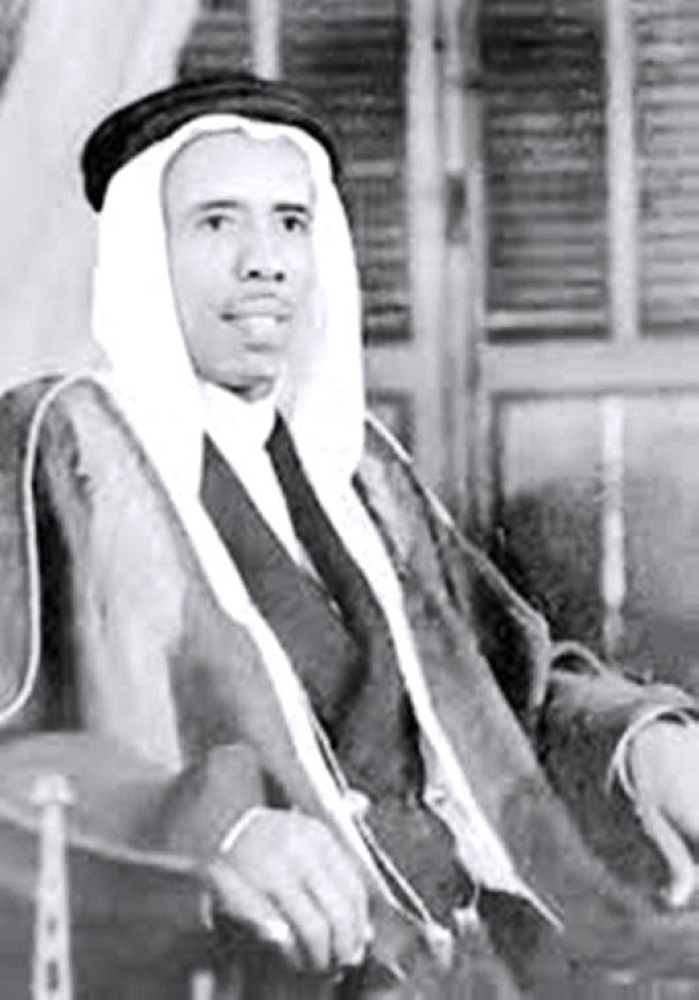
وفي بادرة تعكس العمق الإنساني للتاريخ، أفردت المبادرة ركناً خاصاً بـ«المجموعات الشخصية»، يحوي وثائق خاصة بشخصيات وطنية كانت لها أدوار محورية في مراحل متعددة من تاريخ المملكة. وتكمن أهمية هذه المجموعات في كونها مصادر أصلية غير منشورة تُضيء تفاعل القادة مع المجتمع، وتبرُز فيها أنماط التواصل الإداري والدبلوماسي والثقافي، وتتضمن مواد نادرة كالمراسلات، والمذكرات، والتقارير، والمسودات، والتوجيهات.
من أبرز الشخصيات التي أُتيحت وثائقها في المرحلة الحالية: صالح بن عبدالواحد، محمد سرور الصبان، عبدالوهاب أبو ملحة، ومحمد رضا شكيب، وغيرهم من الرواد الذين خلّدوا عبر هذه الوثائق إرثهم الوطني والفكري.
«وثائق الدارة» ليست مجرد أرشفة، بل هي منصة حية تنبض بالمعرفة، وتربط الماضي بالحاضر، وتدفع بعجلة البحث التاريخي إلى آفاق أرحب، في لحظة تحوّل وطنية تضع الوثيقة في قلب صناعة الوعي.
In a qualitative initiative that reflects the commitment of the King Abdulaziz Foundation to serve the national memory and enhance awareness of Saudi history, the foundation launched the "Documents of the Foundation" project as a knowledge initiative that allows access to highly valuable historical documents after they have been preserved, indexed, and digitized. The dedicated digital platform for the documents provides comprehensive research services, contributing to empowering researchers and interested individuals to explore reliable sources that support scientific research and enrich knowledge about the history of the Kingdom.
The importance of this initiative is embodied in its main pillars, focusing on "accessibility" through the digitization of documents and their electronic availability, "knowledge" by highlighting the documents as an authentic source of national history, "empowerment" by facilitating researchers and specialists' access to these documents easily, in addition to "participation," which invites the public to contribute to the creative reproduction of the document content in modern ways.
The "Documents of the Foundation" targets diverse segments, including researchers, academics, graduate students, those interested in national history, educational and cultural institutions, as well as media professionals and content creators. A dedicated service center has been established for beneficiaries to facilitate access to the documents and utilize them during working hours from Sunday to Thursday, from 8:00 AM to 4:00 PM.
In a gesture that reflects the human depth of history, the initiative has dedicated a special section for "personal collections," which contains documents related to national figures who played pivotal roles in various stages of the Kingdom's history. The significance of these collections lies in their being unpublished original sources that illuminate the interaction of leaders with society, highlighting patterns of administrative, diplomatic, and cultural communication, and including rare materials such as correspondence, memoirs, reports, drafts, and directives.
Among the prominent figures whose documents are currently available are Saleh bin Abdulwahid, Muhammad Sarour Al-Sabban, Abdulwahab Abu Malha, and Muhammad Reda Shakib, along with other pioneers who immortalized their national and intellectual legacy through these documents.
The "Documents of the Foundation" are not just an archive; they are a living platform pulsating with knowledge, connecting the past to the present, and propelling the wheel of historical research to broader horizons, in a national transformative moment that places the document at the heart of awareness production.