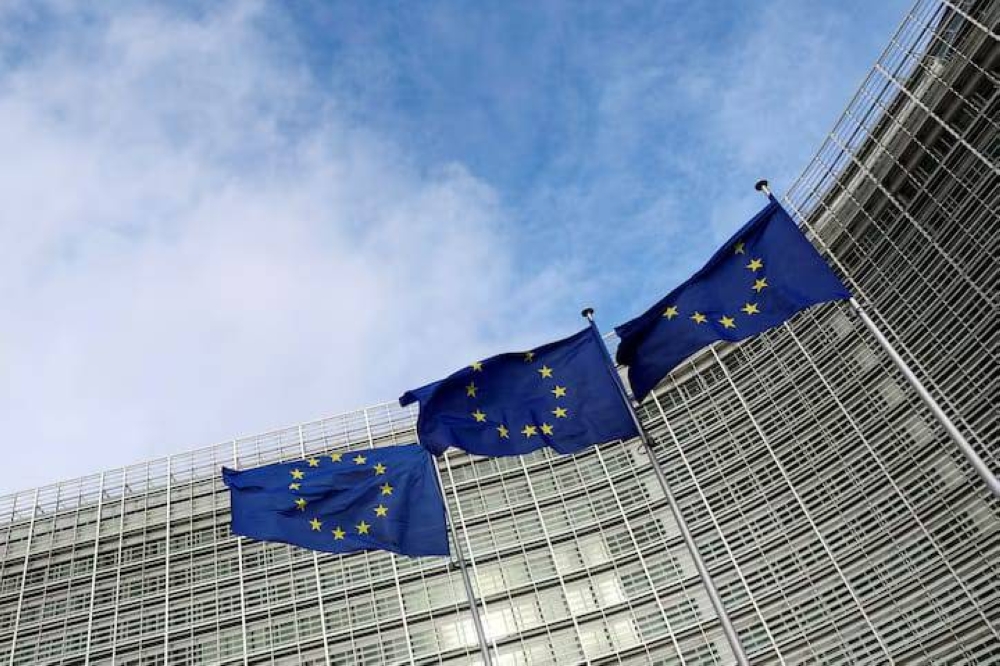
أقر الاتحاد الأوروبي، اليوم (الجمعة)، حزمة عقوبات جديدة هي الثامنة عشرة ضد روسيا بسبب حربها على أوكرانيا، تستهدف بشكل رئيسي صناعة النفط والطاقة الروسية، بهدف تقليص إيرادات موسكو الاقتصادية دون التأثير على استقرار أسواق الطاقة العالمية.
تتضمن الحزمة، بحسب وكالة «رويترز» فرض سقف سعري ديناميكي على النفط الخام الروسي بنسبة 15% أقل من متوسط سعر السوق، أي حوالى 47.60 دولارًا للبرميل حاليًا، مقارنة بسقف 60 دولارًا الذي حاولت دول مجموعة السبع فرضه منذ ديسمبر 2022.
وسيبدأ تطبيق هذا السقف في 3 سبتمبر، مع فترة انتقالية مدتها 90 يومًا للعقود الحالية.
وتهدف هذه الخطوة إلى منع تجارة النفط الروسي الذي يُشترى بأسعار أعلى من السقف، عبر حظر خدمات الشحن والتأمين وإعادة التأمين للناقلات التي تحمل هذا النفط.
وكان الاتحاد الأوروبي وبريطانيا قد ضغطتا على مجموعة السبع لخفض السقف بعد انخفاض أسعار العقود الآجلة للنفط، مما جعل سقف 60 دولارًا غير فعال.
لكن الولايات المتحدة عارضت هذا المقترح، مما دفع الاتحاد الأوروبي للمضي قدمًا بمفرده، رغم محدودية قدرته على التنفيذ بسبب السيطرة الأمريكية على تسوية المدفوعات بالدولار.
وسيوقف الاتحاد الأوروبي استيراد أي منتجات بترولية مصنوعة من النفط الروسي بعد فترة انتقالية مدتها ستة أشهر، مع استثناءات تشمل النرويج وبريطانيا والولايات المتحدة وكندا وسويسرا.
كما استهدفت العقوبات مصفاة «نيارا» الهندية التي تمتلك فيها شركة «روسنفت» الروسية حصة أغلبية.
وأنهى الاتحاد الأوروبي الإعفاء الممنوح لجمهورية التشيك من حظر استيراد النفط الروسي المنقول بحرًا، بعد أن تحولت التشيك بالكامل إلى مصادر غير روسية هذا العام.
كما فرض حظرًا على 105 سفن إضافية تُستخدم في «الأسطول الظل» لنقل النفط الروسي وتجنب العقوبات، مما يرفع إجمالي السفن المحظورة إلى أكثر من 400 سفينة.
وشملت العقوبات أيضًا مشغلًا خاصًا لسجل الأعلام الدولية وكيانًا في قطاع الغاز الطبيعي المسال الروسي، دون الكشف عن هويتهما.
وستُحظر جميع المعاملات المتعلقة بخطوط أنابيب الغاز الروسية «نورد ستريم» تحت بحر البلطيق، بما في ذلك تقديم السلع أو الخدمات لهذه المشاريع.
كما سيمنع الاتحاد الأوروبي جميع المعاملات مع المؤسسات المالية الروسية، بما في ذلك صندوق الثروة السيادي الروسي (صندوق الاستثمار المباشر الروسي)، بهدف تقييد وصول روسيا إلى الأسواق المالية الدولية والعملات الأجنبية.
كما خفض الاتحاد عتبة فرض عقوبات إضافية على المؤسسات المالية والائتمانية الأجنبية التي تخرق العقوبات أو تدعم الحرب الروسية.
وأضاف الاتحاد الأوروبي 26 كيانًا جديدًا إلى القائمة السوداء لتجاوز العقوبات، منها سبعة في الصين، وثلاثة في هونغ كونغ، وأربعة في تركيا، كما تم إدراج مواد كيميائية وبلاستيكية وآلات في قائمة السلع المحظور تصديرها إلى روسيا.
وتُعد هذه الحزمة الثامنة عشرة منذ الغزو الروسي الشامل لأوكرانيا عام 2022، وقد تأخرت الموافقة عليها لأسابيع بسبب اعتراضات من سلوفاكيا ومالطا.
وطالبت سلوفاكيا بضمانات ضد الخسائر المحتملة من خطة أوروبية منفصلة لحظر استيراد الغاز الروسي بحلول 2028، ورفعت اعتراضها بعد تقديم الاتحاد الأوروبي ضمانات هذا الأسبوع.
The European Union approved today (Friday) a new sanctions package, the eighteenth against Russia due to its war on Ukraine, primarily targeting the Russian oil and energy industry, with the aim of reducing Moscow's economic revenues without affecting the stability of global energy markets.
The package includes, according to Reuters, the imposition of a dynamic price cap on Russian crude oil set at 15% below the average market price, which is currently around $47.60 per barrel, compared to the $60 cap that the G7 countries attempted to impose since December 2022.
This cap will take effect on September 3, with a 90-day transitional period for existing contracts.
This step aims to prevent the trade of Russian oil that is purchased at prices above the cap by banning shipping, insurance, and reinsurance services for tankers carrying this oil.
The European Union and the UK had pressured the G7 to lower the cap after a decline in oil futures prices made the $60 cap ineffective.
However, the United States opposed this proposal, prompting the European Union to move forward on its own, despite its limited ability to enforce it due to U.S. control over dollar payment settlements.
The European Union will stop importing any petroleum products made from Russian oil after a six-month transitional period, with exceptions for Norway, the UK, the United States, Canada, and Switzerland.
The sanctions also targeted the Indian "Nayara" refinery, in which the Russian company Rosneft holds a majority stake.
The European Union ended the exemption granted to the Czech Republic from the ban on importing Russian oil transported by sea, after the Czech Republic fully transitioned to non-Russian sources this year.
It also imposed a ban on an additional 105 ships used in the "shadow fleet" to transport Russian oil and evade sanctions, raising the total number of banned ships to over 400.
The sanctions also included a private operator of international flag registries and an entity in the Russian liquefied natural gas sector, without disclosing their identities.
All transactions related to the Russian gas pipelines "Nord Stream" under the Baltic Sea will also be banned, including the provision of goods or services for these projects.
The European Union will also prohibit all transactions with Russian financial institutions, including the Russian sovereign wealth fund (Russian Direct Investment Fund), aiming to restrict Russia's access to international financial markets and foreign currencies.
The Union also lowered the threshold for imposing additional sanctions on foreign financial and credit institutions that violate sanctions or support the Russian war.
The European Union added 26 new entities to the blacklist for circumventing sanctions, including seven in China, three in Hong Kong, and four in Turkey, and chemicals, plastics, and machinery were added to the list of goods prohibited for export to Russia.
This is the eighteenth package since the full-scale Russian invasion of Ukraine in 2022, and its approval was delayed for weeks due to objections from Slovakia and Malta.
Slovakia demanded guarantees against potential losses from a separate European plan to ban Russian gas imports by 2028, and it lifted its objection after the European Union provided guarantees this week.