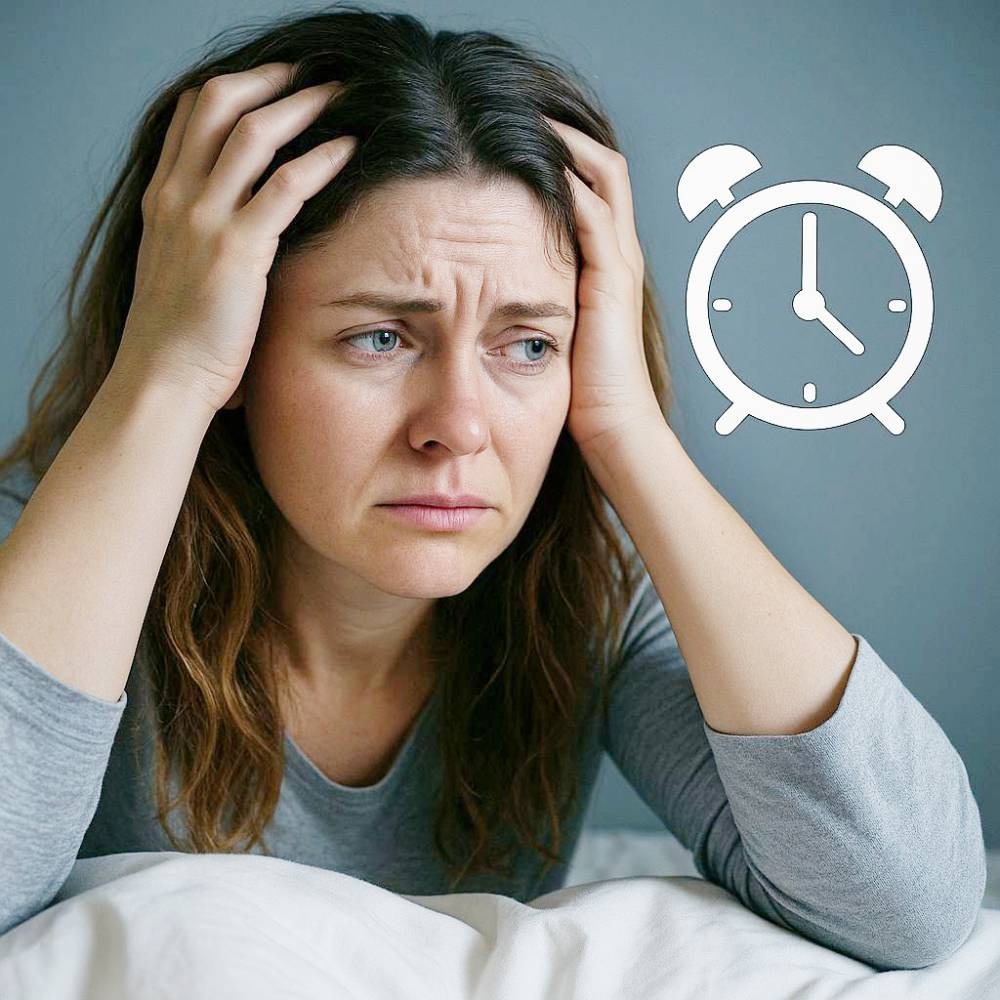
يعاني كثيرون من الاستيقاظ المتكرر خلال الليل، وهي ظاهرة مزعجة قد ترتبط بعوامل صحية أو نفسية. يشير خبراء النوم إلى أن الأسباب الشائعة تشمل: القلق المزمن، انقطاع التنفس أثناء النوم، الارتجاع الحمضي، والاختلالات الهرمونية.
النساء، خصوصاً بعد سن الأربعين، أكثر عرضة لهذه المشكلة بسبب التغيرات الهرمونية المصاحبة لانقطاع الطمث.
تشير الدراسات، إلى أن نوعية النوم تتأثر بعادات ما قبل النوم مثل تناول الكافيين أو الوجبات الثقيلة، أو التعرض للإضاءة الزرقاء.
للتقليل من هذه الظاهرة، يُنصح بتحديد موعد ثابت للنوم، وتقليل المحفزات قبل النوم، وتطبيق تقنيات التنفس والاسترخاء.
وفي حال استمرار الأعراض، يجب التوجه إلى الطبيب المختص، إذ قد يكون السبب مرضاً عضوياً أو اضطراباً تنفسياً يستلزم علاجاً مخصصاً.
النوم الجيد لا يحسّن فقط المزاج، بل يؤثر في التركيز، والمناعة، وحتى صحة القلب، لذلك لا يُنصح بتجاهل الأعراض المتكررة مهما بدت بسيطة.
أسباب الاستيقاظ الليلي المتكرر وطرق التعامل معه
15 يوليو 2025 - 05:29
|
آخر تحديث 15 يوليو 2025 - 05:29


تابع قناة عكاظ على الواتساب
«عكاظ» (جدة) OKAZ_online@
Many people suffer from frequent awakenings during the night, a disturbing phenomenon that may be linked to health or psychological factors. Sleep experts indicate that common causes include: chronic anxiety, sleep apnea, acid reflux, and hormonal imbalances.
Women, especially after the age of forty, are more prone to this issue due to hormonal changes associated with menopause.
Studies indicate that sleep quality is affected by pre-sleep habits such as consuming caffeine or heavy meals, or exposure to blue light.
To reduce this phenomenon, it is advised to set a fixed bedtime, minimize stimulants before sleep, and apply breathing and relaxation techniques.
If symptoms persist, it is important to consult a specialist, as the cause may be an organic disease or a respiratory disorder that requires specific treatment.
Good sleep not only improves mood but also affects concentration, immunity, and even heart health, so it is not advisable to ignore recurring symptoms, no matter how trivial they may seem.
Women, especially after the age of forty, are more prone to this issue due to hormonal changes associated with menopause.
Studies indicate that sleep quality is affected by pre-sleep habits such as consuming caffeine or heavy meals, or exposure to blue light.
To reduce this phenomenon, it is advised to set a fixed bedtime, minimize stimulants before sleep, and apply breathing and relaxation techniques.
If symptoms persist, it is important to consult a specialist, as the cause may be an organic disease or a respiratory disorder that requires specific treatment.
Good sleep not only improves mood but also affects concentration, immunity, and even heart health, so it is not advisable to ignore recurring symptoms, no matter how trivial they may seem.