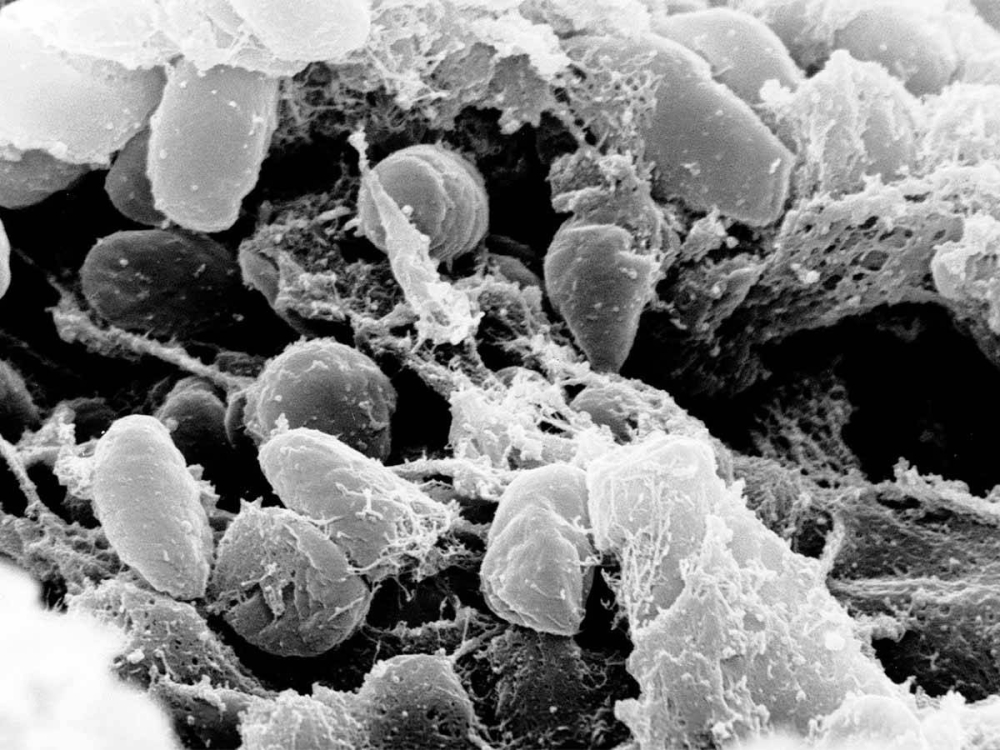
توصلت دراسة حديثة بشأن الأمراض التي أصابت البشرية خلال 37 ألف عام، من بكتيريا وفيروسات وطفيليات، إلى أن أول دليل على وجود البكتيريا المسببة للطاعون يعود إلى نحو 5500 عام.
وأظهرت نتائج دراسة أجراها باحثون في جامعات بريطانية ودنماركية، ونشرت في مجلة «نيتشر» أن أول الأدلة على الأمراض حيوانية المنشأ، أي التي تنتقل من الحيوانات إلى البشر، تعود إلى نحو 6500 عام، وأنها بدأت بالانتشار على نطاق واسع بعد ذلك بنحو 1500 عام، بعد تحليل الحمض النووي المستخرج من عظام وأسنان 1313 شخصاً عاشوا عبر قارة أوراسيا (أوروبا وآسيا) من العصر الحجري المبكر (قبل نحو 12 ألفا و500 عام) وحتى قبل حوالى 200 عام.
وعثر الباحثون على آثار لمرض الدفتيريا تعود إلى 11 ألف عام، والتهاب الكبد /B/ إلى 9800 عام، والملاريا إلى 4200 عام، بالإضافة إلى تحديد 214 عاملاً مسبباً للمرض بين البشر خلال الفترة ما قبل التاريخ في قارة أوراسيا.
وأوضح البروفيسور إيسكه ويلرسليف في جامعتي كامبريدج وكوبنهاغن، أن الحمض النووي يثبت قبل آلاف السنين أن التحول إلى الزراعة وتربية الحيوانات فتح الباب أمام عصر جديد من الأمراض، وأن هذه العدوى لم تسبب المرض فقط، بل ساهمت في انهيار العديد من المجتمعات وتسببت في هجرات مختلفة.
وبدوره، أكد فريدريك سيرشولم، باحث في جامعة كوبنهاغن، أنه تم التوصل إلى أن مرض الطاعون قتل ما بين ربع إلى نصف سكان أوروبا خلال العصور الوسطى، وأن هذا الوباء الذي اجتاح القارة بين عامي 1346 و1353، قتل في بعض المناطق ما يصل إلى 40 في المئة من السكان، وكانت هذه أقدم حالة طاعون يتم العثور عليها حتى الآن.
ومن جانبها، أوضحت البروفيسورة أستريد إيفرسن في جامعة أكسفورد، أن الأمراض حيوانية المنشأ بدأت بالانتشار بشكل كبير قبل نحو 5 آلاف عام، وأن تربية الحيوانات في قطعان كبيرة والعيش بالقرب منها زاد من فرص انتقال العدوى منها إلى البشر.
A recent study on the diseases that have afflicted humanity over 37,000 years, including bacteria, viruses, and parasites, found that the first evidence of the bacteria causing the plague dates back to about 5,500 years ago.
The results of a study conducted by researchers from British and Danish universities, published in the journal "Nature," showed that the earliest evidence of zoonotic diseases, which are transmitted from animals to humans, dates back to about 6,500 years ago, and that they began to spread widely about 1,500 years later. This was determined after analyzing DNA extracted from the bones and teeth of 1,313 individuals who lived across the Eurasian continent (Europe and Asia) from the early Stone Age (around 12,500 years ago) until about 200 years ago.
The researchers found traces of diphtheria dating back 11,000 years, hepatitis B to 9,800 years, and malaria to 4,200 years, in addition to identifying 214 disease-causing agents among humans during the prehistoric period in Eurasia.
Professor Eske Willerslev at the Universities of Cambridge and Copenhagen explained that DNA evidence shows that thousands of years ago, the shift to agriculture and animal husbandry opened the door to a new era of diseases, and that these infections not only caused illness but also contributed to the collapse of many societies and triggered various migrations.
For his part, Frederik Serchholm, a researcher at the University of Copenhagen, confirmed that it has been established that the plague killed between a quarter to half of the population of Europe during the Middle Ages, and that this epidemic, which swept across the continent between 1346 and 1353, killed up to 40 percent of the population in some areas. This was the earliest case of plague found to date.
Meanwhile, Professor Astrid Eversen at the University of Oxford explained that zoonotic diseases began to spread significantly about 5,000 years ago, and that raising animals in large herds and living close to them increased the chances of transmission of infections from them to humans.